


Netflix is rebuilding its mobile app to look and feel more like the social feeds that command daily attention, integrating vertical video and new discovery surfaces to get people opening the app more often. The company framed the overhaul as the foundation for faster experimentation and a way to funnel short taps into long viewing sessions, including for a growing slate of video podcasts.
Why the Netflix app redesign is happening right now
Daily engagement has become the most contested metric in entertainment. TikTok and YouTube drive habitual, multi-session behavior on phones, while traditional streamers see usage concentrated in evening viewing windows. Recent analyses by Nielsen’s The Gauge show YouTube leading share of TV streaming time in the U.S., with Netflix close behind, but on mobile the attention battle tilts toward swipeable feeds.
- Why the Netflix app redesign is happening right now
- Short-form vertical feeds move to the center of Netflix
- Video podcasts become a discovery engine on Netflix
- What will likely change in the Netflix mobile app experience
- The competitive stakes in the streaming and social battle
- What to watch next as Netflix rolls out the redesign
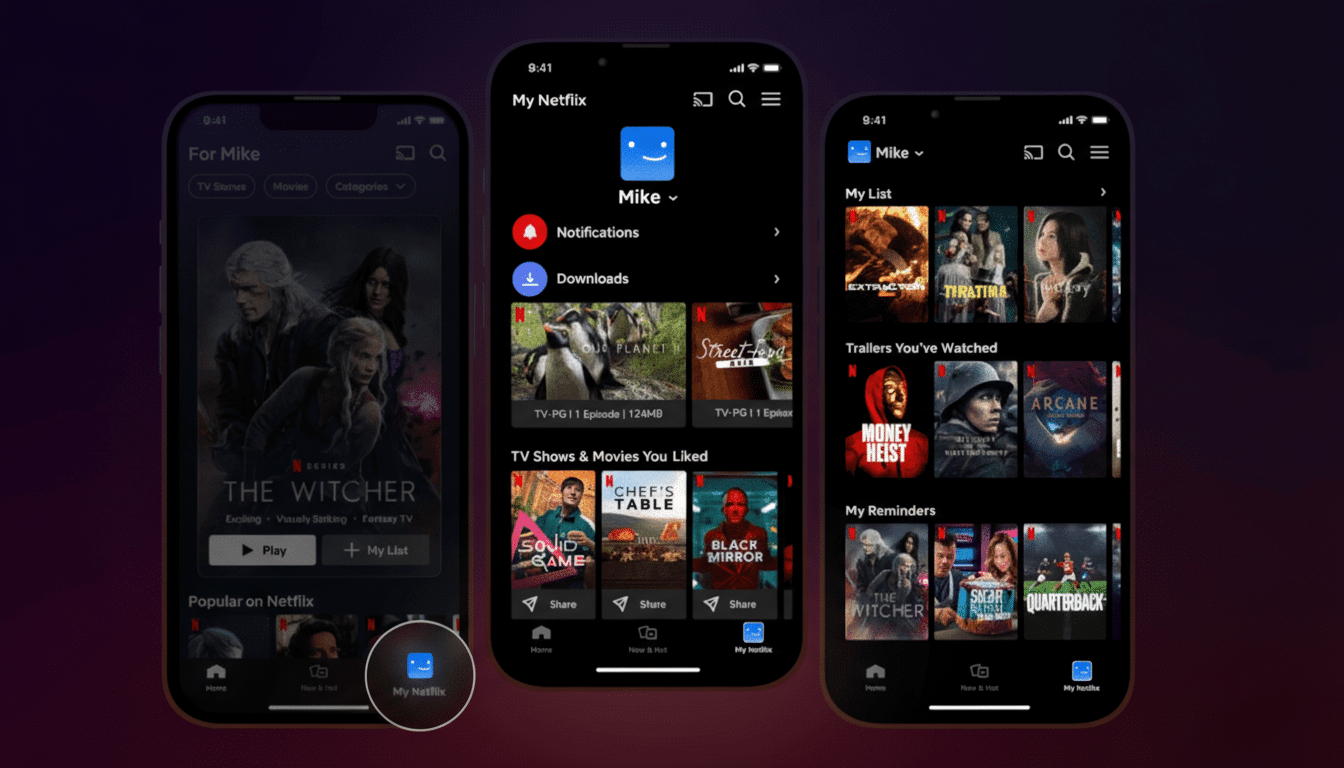
Netflix’s business is shifting accordingly. The company surpassed 325 million paid memberships and reported $45.2 billion in revenue, with ads contributing over $1.5 billion. Ad-supported tiers reward frequency and recency, not just hours watched. More daily opens mean more ad impressions, tighter feedback loops for recommendations, and lower content marketing costs per view.
Analysts at data.ai and Sensor Tower have long noted that social video apps see multiple sessions per day and near-frictionless discovery. By aligning the app’s first-screen experience with that behavior, Netflix aims to convert idle moments into starts—then into completed episodes and film viewership.
Short-form vertical feeds move to the center of Netflix
The redesign elevates vertical video feeds from a side experiment to a core navigation pillar. Netflix has been testing a TikTok-like stream of clips cut from its series and films, an evolution of its earlier Fast Laughs feature. The new approach surfaces swipeable, captioned snippets tailored to each profile, tuned to spark intent rather than passive grazing.
Expect deeper hooks into the long-form catalog: quick add-to-queue actions, “watch from this moment” deep links, and seamless handoffs to the TV app. For tentpoles like Wednesday or Squid Game, Netflix can seed a clip with context cards, making trailers feel native to a feed instead of intrusive pre-roll. The same feed format opens a path for promoting live specials or limited event windows without redesigning the whole homepage every time.
Video podcasts become a discovery engine on Netflix
Netflix is leaning into video podcasts to increase touchpoints between seasons and film launches. Original shows hosted by high-visibility personalities, alongside licensed libraries via partners like Spotify and iHeartMedia, give the service a steady stream of lightweight content that fits the vertical feed paradigm.
YouTube remains the default home for video podcasts, but Netflix brings a different funnel: clips can route viewers directly into related series, documentary extras, or behind-the-scenes reels. Compared with scripted production, podcasts are faster and cheaper to scale, providing a cost-effective way to keep franchises alive in the off-cycle and to test new talent with real-time engagement signals.
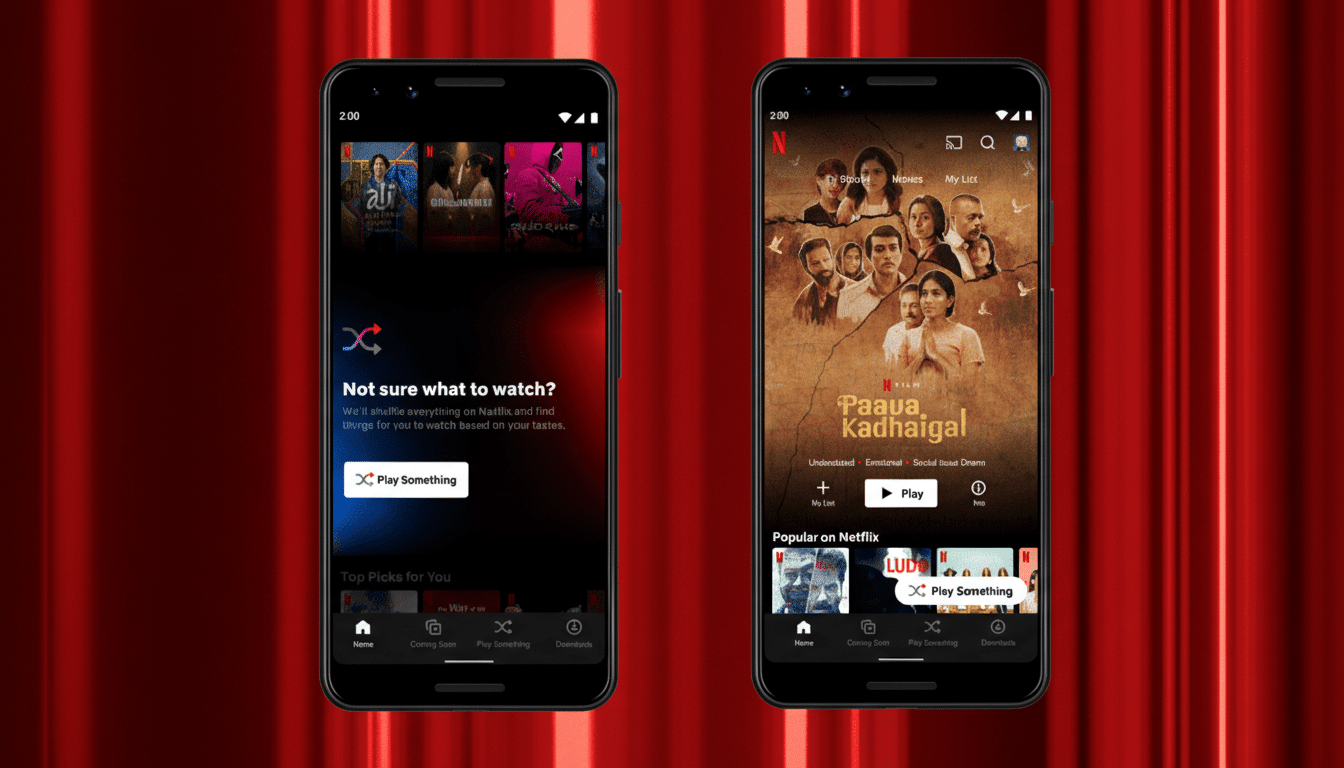
What will likely change in the Netflix mobile app experience
The refreshed app is expected to foreground a personalized vertical rail on the home screen, with swipes revealing clips, quick polls, and moments primed for instant play. Navigation should simplify around a few high-intent actions: resume, discover, and add to list. Anticipate smarter “Continue Watching” that bubbles up the next best entry point rather than only the next episode, plus richer context like runtime chips and cast highlights inside the feed.
On the technical side, Netflix can prefetch short clips to guarantee instant playback, a lesson borrowed from social apps where micro-delays kill session momentum. The company will likely lean on its recommendation stack to balance novelty with familiarity—mixing clips from new releases, localized hits, and evergreen comfort shows to sustain daily streaks without fatiguing viewers.
The competitive stakes in the streaming and social battle
Time is the scarce resource. eMarketer has estimated that U.S. TikTok users spend close to an hour per day in-app, and YouTube’s daily time rivals that. For Netflix to win more of those minutes, it must create habit loops that work in small bursts on phones and then escalate to big-screen viewing. The company’s advantages—global distribution, household-level profiles, and premium IP—are meaningful, but social platforms still dominate the creator ecosystem and network effects around sharing.
If Netflix can prove that a vertical clip can reliably convert into a 30-minute stream or a full movie night, it strengthens both its ad product and its subscriber value proposition. Frequency begets measurement: higher session counts improve attribution for promotions, refine personalization, and let Netflix sell campaigns on reach and lift, not just on raw hours.
What to watch next as Netflix rolls out the redesign
The rollout is slated for later in the year with iterative updates, so watch for signals beyond top-line viewing: daily active users, sessions per user, conversion rates from clip to play, and how often mobile discovery hands off to TV. Also watch the cadence of video podcast releases and whether Netflix opens tools for creators to supply vertical-friendly assets at scale.
The strategy is clear: meet users where their thumbs already are, then give them the shortest possible path to a great story. If the redesign succeeds, Netflix won’t just look more social—it will feel more habitual.
