


NASA is planning the first controlled medical evacuation in the 25-year history of the International Space Station, bringing back four Crew-11 astronauts from orbit a few days ahead of schedule after one crewmate developed a serious but stable medical issue. The condition requires diagnostic tests that are not available in orbit, agency officials say, and the safest course is an accelerated ride home aboard SpaceX’s Dragon Endeavour.
Who Is the Astronaut With an Illness on the ISS
NASA has not released the astronaut’s name, to protect medical privacy. Officials have been particularly cautious to not reveal anything that could identify the person, including gendered pronouns. JAXA also announced that its Crew-11 member, Kimiya Yui, is not the individual with the health issue. The affected astronaut is “absolutely stable,” leaders said, and went on to stress the decision has everything to do with ensuring extensive diagnostics that are not available on the ISS.
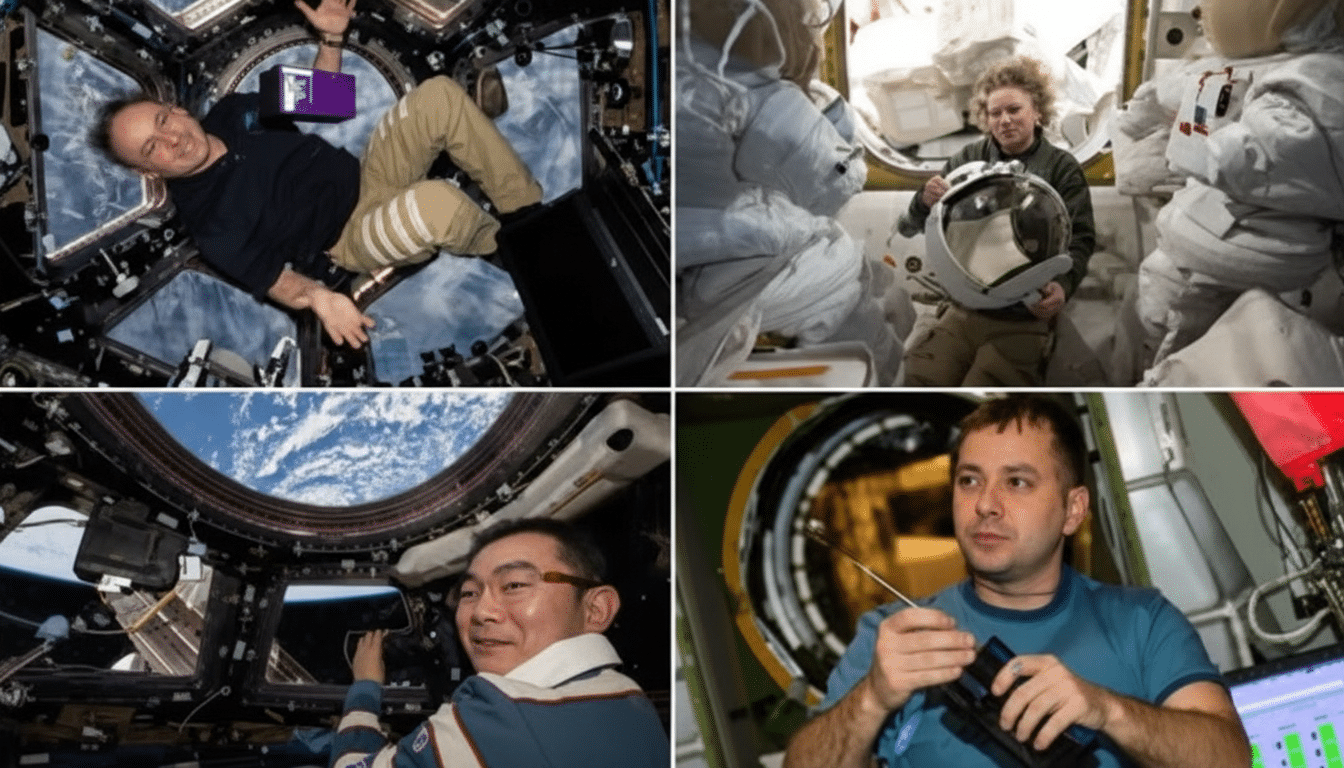
The medical issue came a short time after the Zena Cardman and Mike Fincke spacewalk had been scrubbed by NASA, one that would have seen these two astronauts upgrade solar power technology onboard the floating laboratory.
“There’s no concern for us relating to spacewalk preparations — we’re going to go do a fantastic spacewalk on Tuesday,” said NASA’s chief health and medical officer, J.D. Polk. “We don’t consider this an at-risk EVA (extravehicular activity), although right now it is an off-nominal situation.” The problem is “ours related,” but the injury was not sustained on the job, Polk said, emphasizing that it occurred within the particular constraints of microgravity.
Why NASA Is Returning the Crew to Earth Early
Space medicine on the ISS is strong, but it’s not exactly forgiving. The station contains an ultrasound, an automated external defibrillator, oxygen, IV supplies and a pharmacy cabinet; crews are trained to work with flight surgeons via telemedicine. What the outpost doesn’t have are advanced diagnostics like CT or MRI scanners and full-service lab testing. When a condition passes the threshold of where imaging or subspecialty evaluation might alter care, NASA puts bringing the astronaut home at the top of its list.
The condition is “an unusual but very serious problem that we see in people who are bedridden on Earth,” Dr. Polk said, adding that the astronaut was stable. It’s that fine line that is key: relatively stable so you can plan a systematic departure, serious enough to justify cutting an ambitious mission short for a full workup at a medical center back on Earth.
Accelerated Return vs. Emergency Deorbit
NASA is performing a controlled abbreviated return, not an emergency deorbit. The distinction matters. An “abort-to-return” would prioritize departing the station as soon as possible, even if the landing conditions are marginal. “It’s still compatible with approved landing sites, weather windows and recovery forces, all of which are indicators that the crewmate is not in immediate danger,” he added. Jared Isaacman, the NASA administrator, said the agency is “balancing spacecraft readiness with recovery coverage and sea state,” ahead of setting an undocking time.
What This Means for the Operations of the ISS
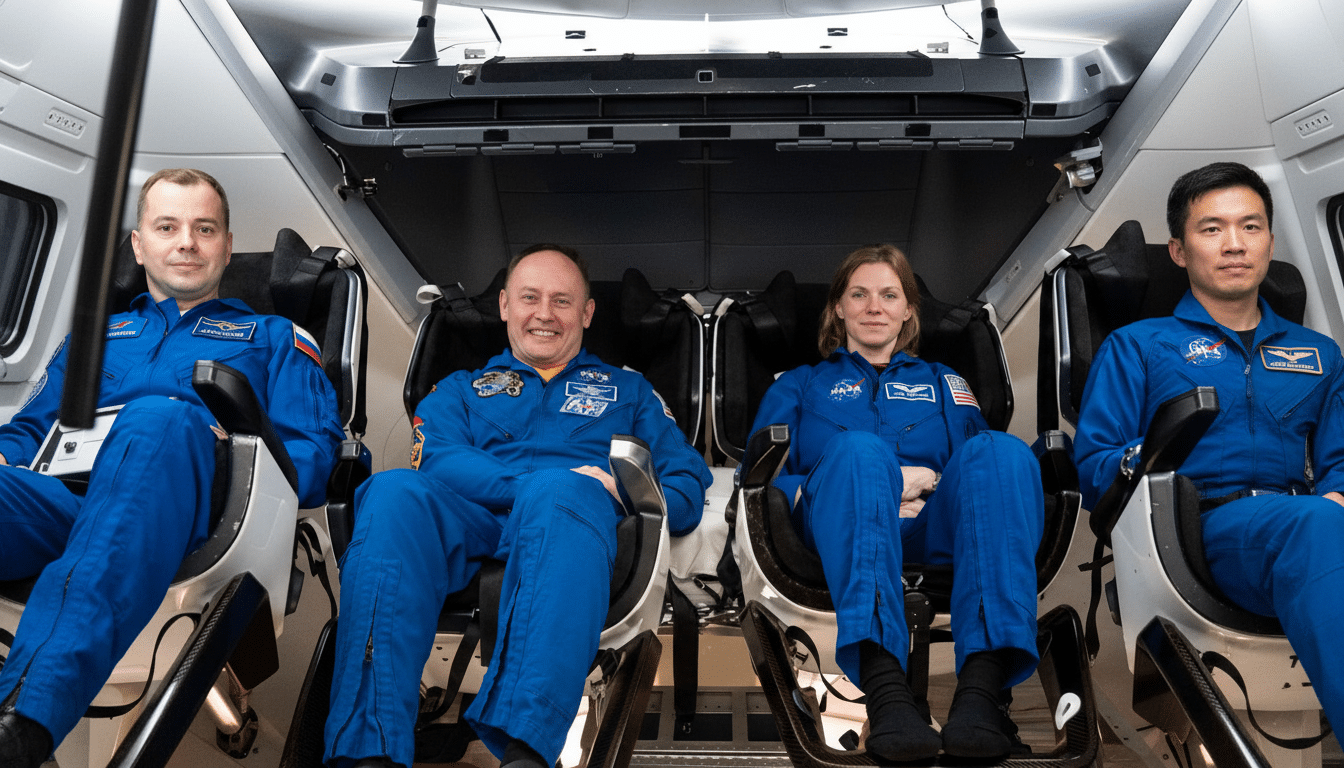
In the coming days, Dragon Endeavour will transport Crew-11—Commander Zena Cardman, pilot Mike Fincke, accompanied by JAXA’s Kimiya Yui and Roscosmos cosmonaut Oleg Platonov—back to Earth. After this undocking, the only U.S. crew member remaining on board will be Chris Williams, an American who launched to the station aboard a Soyuz spacecraft. Russian crewmates will help establish station systems and ensure research continues until the arrival of Crew-12 as soon as mid-February, pending launch readiness.
The ISS is still orbiting roughly 250 miles above the surface of Earth as normal. While spacewalk plans as well as some experiments may be re-arranged, NASA stressed that the accelerated return decision is being driven by safety, not scheduling pressure.
Medical Capacities Aboard the ISS and Previous Cases
Over more than 25 years of continuous habitation, ISS crews have been able to handle a variety of conditions — motion sickness, back pain, minor infections and dental problems — through telemedicine and the onboard medical kit. In a particularly well-documented instance that appeared in The New England Journal of Medicine, an astronaut’s blood clot in the neck was treated with blood thinners started on orbit and adjusted after more supplies were delivered by a cargo mission. Those victories show what can be done, but also the limits of success in the absence of advanced imaging and a full laboratory.
NASA health models have for years projected an ambulance would be needed every four to six years over the life of the space station. That it hasn’t already is a testament to strong prevention, crew training and smart use of remote expertise, but does not preclude the occasional necessity for bringing someone home for definitive care.
What Happens When the Capsule Splashes Down?
While a surprising trigger, the return and recovery will look typical. SpaceX’s Dragon capsule should splash down in a standard zone off Florida, with NASA and SpaceX recovery teams standing by, complete with flight surgeons, stabilization gear and speedy transport. The ground-based contingency hospitals will be pre-briefed to take the crew if necessary. Those medical precautions are a part of every Dragon landing; this operation is no exception, with heightened consideration for the effect on the affected astronaut’s health, Dr. Polk said.
Bottom line: The astronaut is stable, the team is cautious, and we’re going to follow a medevac procedure “by the book” to ensure rapid access to the diagnostics and care that exists only on Earth.
