


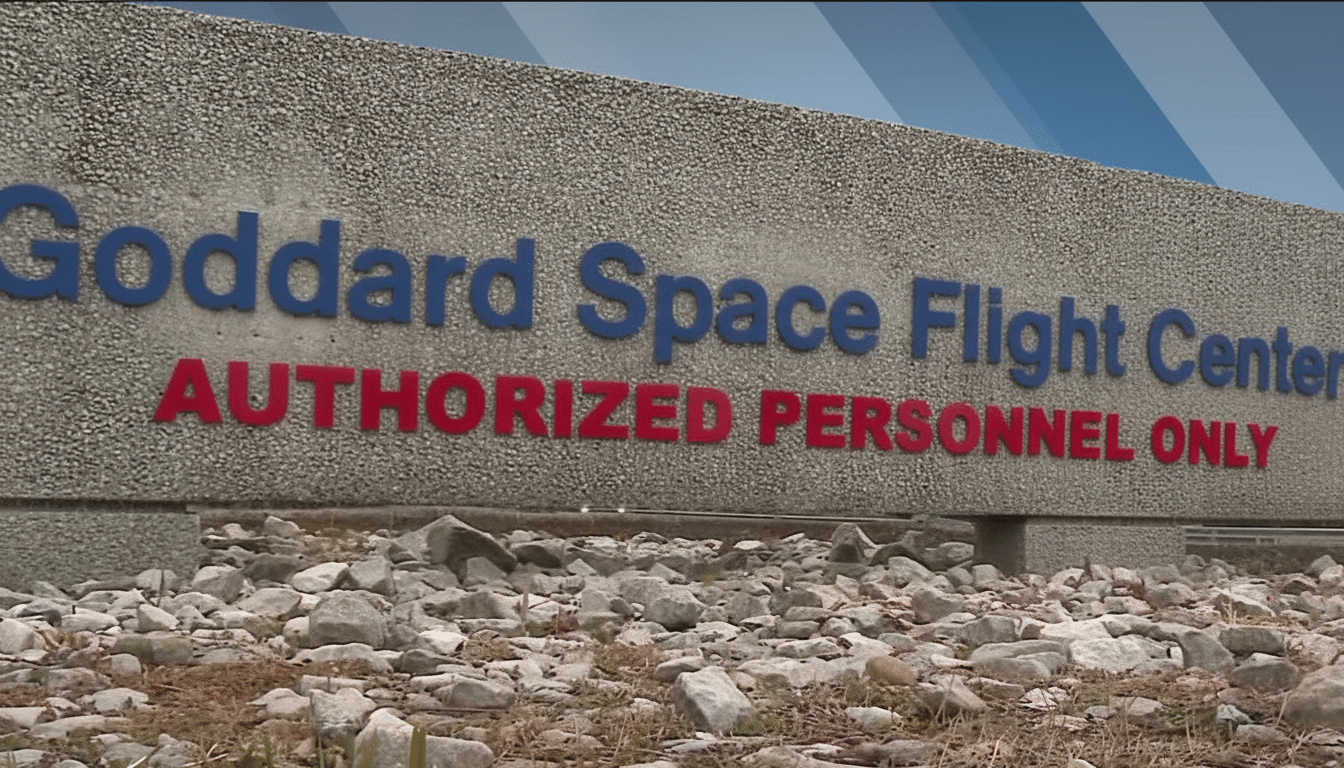
NASA has closed its largest research library, the Library and Information Services facility at the Goddard Space Flight Center in Greenbelt, Md., a development that has alarmed scientists and historians as well as those with archival collections who fear that valuable materials could be lost. The New York Times wrote that it is a move that places an immense collection of books and other papers, some never digitized and unavailable elsewhere, at risk.
NASA officials have said that an assessment is underway to determine what gets preserved, kept in storage, or simply disposed of. But outside experts warn that once singular print records and obscure technical papers disappear, they are nearly impossible to re-create — meaning that future researchers would be cut off from the formative documentation of American spaceflight and Earth science.
What is closing, and the cost it may claim
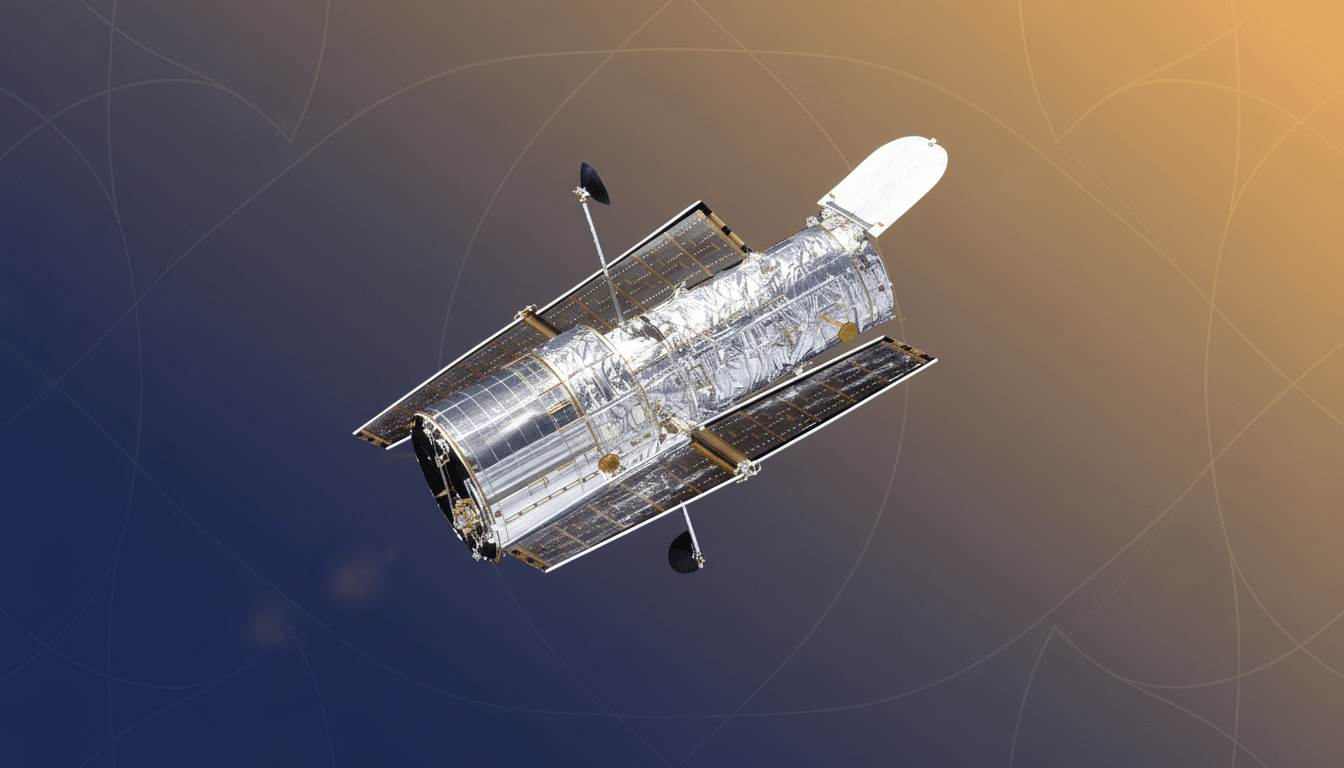
Standing at Goddard, in Greenbelt, Md., where thousands of civil servants and contractors are working on missions that range from Hubble to Earth-observing satellites, the library has been a working archive for engineers, scientists, and contractors. One small corner of the stacks holds rare books, including Soviet-era descriptions of early space missions and narrower journals, calibration logs, and mission design papers that often circulated in only a few copies.
Hundreds to thousands of physical volumes across the entire range of disciplines that NASA touches are tucked away in undisclosed locations throughout multiple NASA facilities. Released last year by a group of librarians at NASA, this estimate is probably accurate, as lead author Dane C. DeHart suggested.
Not only are there hundreds to thousands of physical volumes across the entire range of disciplines that NASA touches, but being “tucked away in undisclosed locations throughout multiple national space centers” would be very hard to wrap one’s head around even if everyone knew exactly where every book was being stored. While many documents — perhaps millions — are now available electronically thanks to open public repositories such as those offered by JPL and Goddard — the STI, or Scientific and Technical Information, program site and the popular NASA Technical Reports Server, for example — some documents aren’t yet online.
Mission plans, instrument diagrams, purchasing documents, and contractor studies have all existed there as a reference desk for the physical package and record of history.
NASA’s explanation and claims about cost
Spokespeople at NASA described the closure as a consolidation, not a closeout, and said that plans were in place long before the latest policies from Washington. The agency anticipates long-term savings from operations, The New York Times reported, citing statements.
Jacob Richmond, a spokesman for NASA, said that the catalog would be considered over a 60-day period and that as of next May some items may be shredded and others moved to storage or other buildings.
That process of weeding, librarians say, is the riskiest juncture in any consolidation: under time and budget pressure, decisions can enshrine materials in distant storage locations or eliminate them from circulation altogether.
Budget pressures and a broader retrenchment
The closure comes as the agency faces budget and staffing pressure across the board. An examination by The Planetary Society described NASA’s most recent budget landscape as historically anemic when adjusted for inflation, sounding the alarm about the extinction-level risk facing some of the agency’s most successful programs.
Meanwhile, something more than 2,000 of the space agency’s senior staff were expected to leave in their regular post-election turnover. And several NASA libraries have closed in recent years — including three over the last year and seven total since closures began, according to Politico. Maryland Sen. Chris Van Hollen condemned the cuts to Goddard, saying they would put scientific discovery and the regional workforce involved in federal space research at risk.
Why the library is essential for science and history
Primary-source archives are the sinew of long-term scientific programs. Design decisions laid down in old design memos and contractor reports frequently reappear decades later as instruments are upgraded, anomalies probed, or new missions recycle heritage hardware. In the case of Earth science, historical and method notes allow continuity validation and reproducibility from generation to generation in the series of satellites.
Archivists say that saving the paper is only part of the battle. Good preservation involves cataloguing, metadata, rights clearance, and inclusion into accessible systems with persistent identifiers. NASA’s STI program and collaborations with the National Archives and Records Administration provide avenues, but they involve money, time, and personnel — especially for unique or sensitive materials that can’t be batch-scanned.
What to watch next as the Goddard library consolidation proceeds
The immediate questions are practical and pressing: what collections will take priority, where will rare holdings go, and how will researchers find them during and after the transition? Preservation experts will be searching for clear guidelines that are driving decisions about disposition, evidence that rare or undigitized materials are moving to permanent, accessible repositories, and commitments to increasing access online through NASA’s existing platforms.
If the consolidation continues without a robust plan to digitize and provide access, the scientific community may lose institutional knowledge that can never be reconstructed. However, coupled with vigilance about curation, investment in metadata, and transparent custody with NARA or other trusted repositories — NASA could still safeguard the backbone of its documentary heritage. The next 60 days will show which path the agency is taking.
