


NASA has approved a long-discussed change to crew gear: astronauts on upcoming missions, including the International Space Station’s Crew-12 rotation and the Artemis II lunar flyby, will be allowed to bring personal smartphones. It’s a small item with big implications, signaling a cultural and operational shift in how the agency approaches onboard tech, documentation, and public engagement beyond low Earth orbit.
Why NASA Is Greenlighting Phones for Astronaut Crews
For decades, NASA has treated consumer electronics as potential risks—sources of electromagnetic interference, flammability, or off-gassing in closed habitats. The agency’s standards for flight hardware are exacting, with screening informed by requirements such as ISS SSP 30233 for flammability and off-gassing, MIL-STD-461 for electromagnetic compatibility, and UN 38.3 for lithium-ion battery safety. According to NASA officials, modern handsets have now cleared a tailored qualification path that verifies they won’t disrupt vehicle avionics or life-support systems.
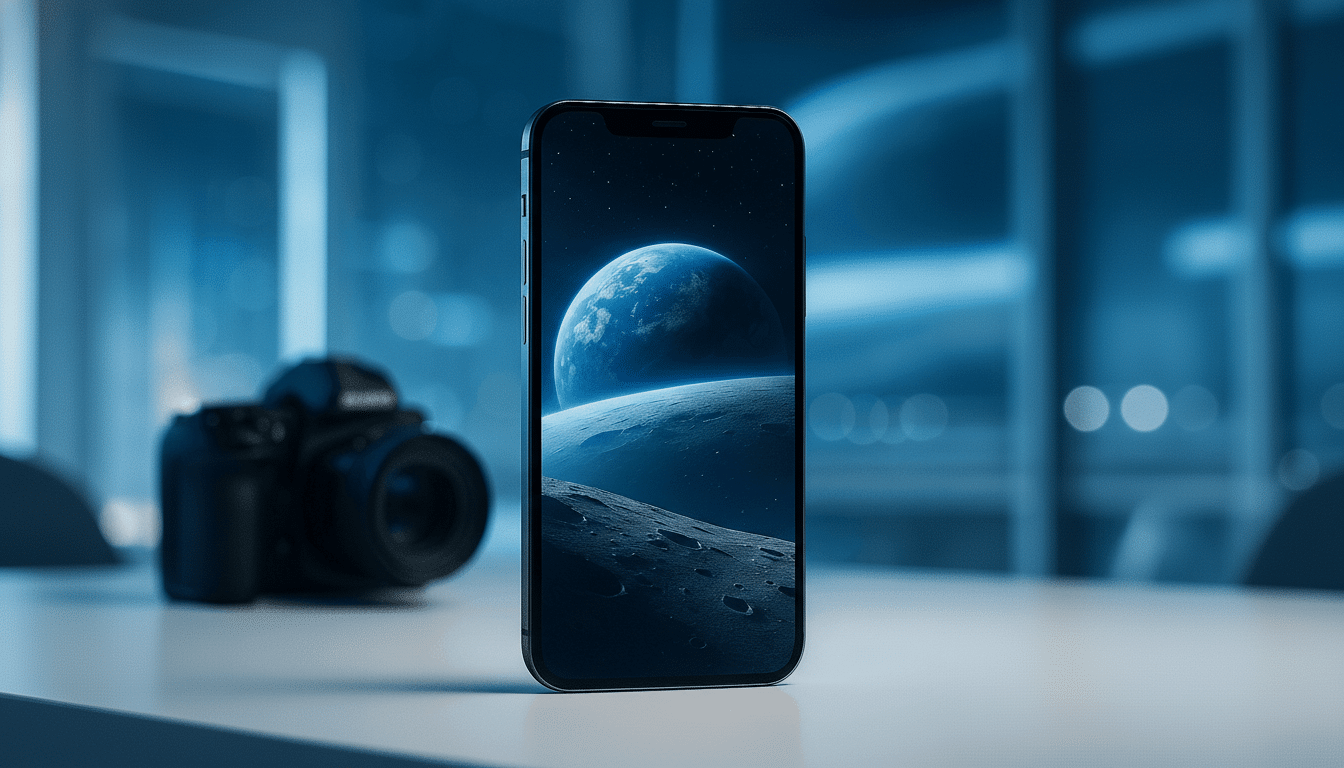
Expediting that qualification is notable in itself. NASA has historically relied on ruggedized, program-issued cameras and specialized laptops. As recently as past expeditions, crews primarily used Nikon DSLRs and action cameras on orbit, a practice widely reported by space industry outlets. By validating today’s smartphones—whose camera sensors, computational photography, and stabilization have advanced rapidly—NASA reduces mass and complexity while enabling spontaneous capture that’s hard to replicate with bulkier gear.
What Astronauts Will Actually Do With Them
Don’t expect phones to replace mission equipment. They’re approved as non-mission-critical tools for personal documentation, outreach, and supplemental imagery. That means candid video diaries, behind-the-scenes training clips, and quick stills that complement the formal photo plans already built into each flight timeline. NASA’s public affairs process—long used for ISS content—will continue to govern what gets downlinked and shared.
Operationally, the phones will be used in airplane mode with connectivity restricted to internal, preapproved networks when available, mitigating any chance of stray radio frequency emissions. Data transfers are expected to occur via tethered connections or internal Wi‑Fi where appropriate, with charging limited to certified cables and power ports. In other words, the devices are guests on the spacecraft, not participants in its systems.
Safety and Reliability Considerations for Spaceflight Operations
Radiation and thermal extremes are real concerns, particularly for a lunar mission that spends days outside Earth’s magnetic shield. Inside Orion and the ISS, however, localized shielding and controlled cabin environments give consumer hardware a fighting chance. NASA has previously flown commercial tablets and even smartphone-derived avionics on technology demos—the 2013 PhoneSat program famously used off-the-shelf Android phones to run CubeSats—creating a heritage for adapting consumer tech to space conditions.
To minimize crew workload, use will be tightly scheduled. Batteries will be managed like any other lithium-ion device on station or in Orion: monitored, charged at approved rates, and stowed in designated locations. The phones will not interface with guidance, navigation, or control, and they’ll be powered down during dynamic phases like ascent, docking, and reentry unless a procedure calls otherwise.
A New Era of Space Storytelling for Artemis and ISS
The outreach upside is hard to overstate. Astronauts have already shown the power of personal storytelling—think of Chris Hadfield’s orbit-filmed music videos or the steady stream of ISS microgravity explainers that reached classrooms worldwide. SpaceX’s private flights have also normalized phones in spacecraft cabins for informal photos and short clips. Now, Artemis II’s crew will have pocketable tools to share the human side of a deep-space voyage around the Moon, something no agency crew has done since Apollo.
For NASA, this move aligns with broader efforts to make Artemis feel immediate and relatable. The agency’s social media channels reach tens of millions, and short-form video has become a primary vector for science communication. Letting astronauts capture authentic moments—without staging a full camera rig—could translate into unprecedented public engagement for both the ISS program and the lunar campaign.
What It Means for Artemis II and Future NASA Missions
Artemis II is a high-stakes test of Orion’s life-support, navigation, and deep-space comms with a four-person crew making a lunar flyby before returning to Earth. The mission will still carry professional imaging systems, but smartphones introduce flexibility: ultra-wide interior shots, quick reaction videos, and context-rich clips tied to real-time milestones. Expect a richer archive of candid material to complement the mission’s scientific and engineering objectives.
Ultimately, allowing smartphones isn’t about novelty; it’s about pragmatism and connection. The devices are light, familiar, and powerful, and after rigorous testing they meet NASA’s safety bar. If all goes to plan, the next iconic image of a human journeying to the Moon might not come from a bulky DSLR—it could be a steady, astonishing clip captured in a gloved hand, shared with Earth only hours later.
