


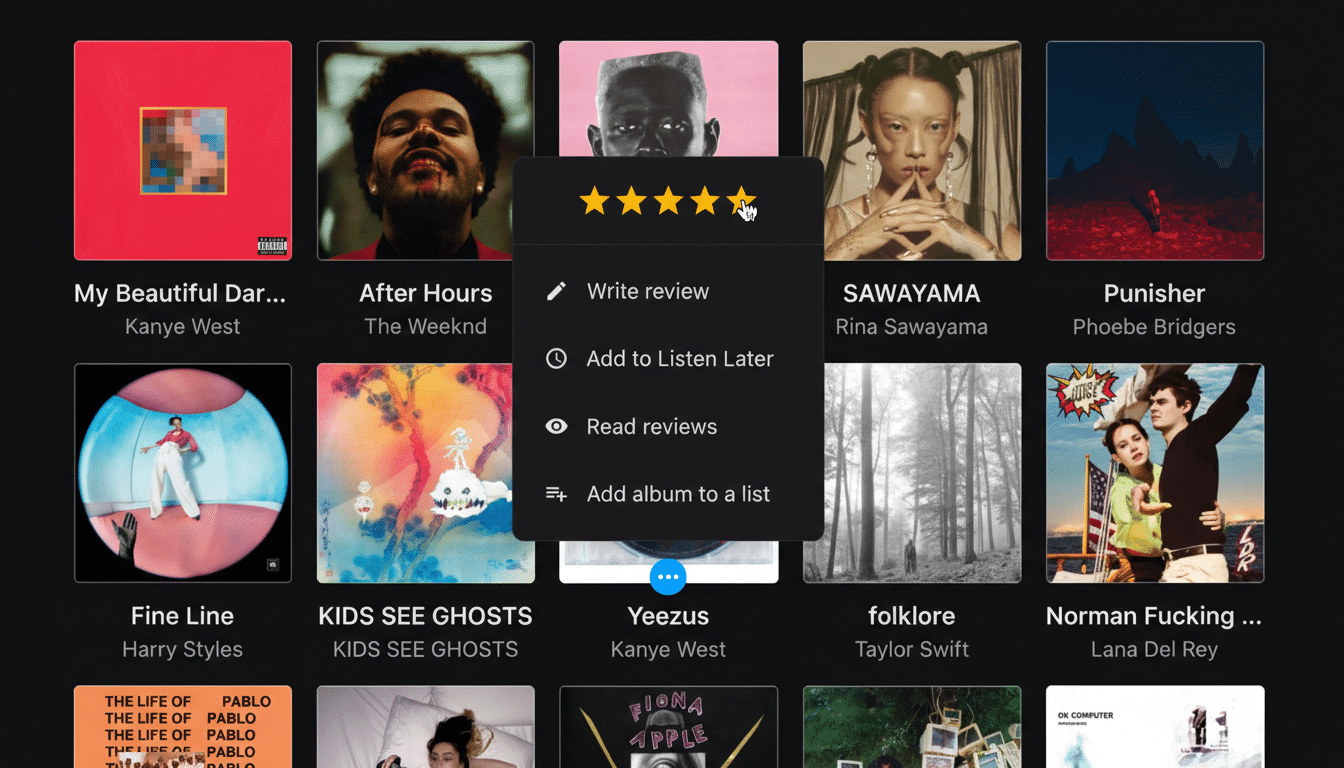
Musicboard, the cult-favorite app for logging albums and finding new music, is in damage-control mode after weeks of user reports about outages, a vanishing Android listing, and a briefly inaccessible website. In a brief statement shared from a Musicboard team email, the company maintained that the app remains active, said server issues were fixed, and added that it is working with Google Play to restore the Android app. The sparse communication has done little to calm a worried community that wants clarity, timelines, and above all, access to their data.
User Reports Point To Prolonged Disruptions
Power users describe a bumpy stretch: intermittent downtime, syncing failures, and the Android app disappearing from the Play Store without warning. Some also reported the website blinking offline. For an app often described as “Letterboxd for music,” the absence of a reliable home base is jarring, especially for listeners who have logged thousands of albums over years.

Despite its niche, Musicboard isn’t tiny. The app has roughly 462,000 lifetime downloads, according to Appfigures, enough to sustain active communities on Reddit where users have been troubleshooting, recommending alternatives, and organizing to press the company for answers. The most urgent request: a robust export tool so people can safeguard their listening histories if the turbulence continues.
Silence made the situation worse. In the absence of a status page or frequent developer notes, some users contacted reporters seeking a conduit to the team. That lack of a direct, consistent channel is increasingly at odds with what audiences expect from modern consumer apps, even indie ones.
Community Mounts A Grassroots Response Effort
A volunteer group informally titled “Help Save Musicboard,” led by a user known as Lavarini, has been rallying the community. The initiative’s stated goal is straightforward: raise awareness, advocate for transparency, and ensure the long-term sustainability of the app and its data. Volunteers have compiled user reports, gathered feedback on must-have features, and circulated guides on backing up lists.
Alongside that advocacy, community members have shared contingency plans, pointing to services like Last.fm, ListenBrainz, and Rate Your Music for tracking and discovery. The signal here isn’t that users are eager to jump ship; it’s that they want a clear path to continue their music journaling, with or without Musicboard.
What The Company Is Saying And Not Saying
In its email response, the team insisted the product has not been shuttered, characterized the server interruptions as temporary and resolved, and said it is collaborating with Google Play to restore the Android listing. The note also pledged that any future wind-down would come with respectful notice and official communication. However, follow-up questions went unanswered, and there’s still no public timeline for the Android app’s return, a reliability roadmap, or a formal statement hosted on an official channel.
For users, the difference between “fixed for now” and “on a stable footing” is meaningful. Without a status page, a known support queue, or periodic updates, confidence can erode even if the app is technically online. Data assurance—export tools that work consistently and completely—has become the community’s litmus test for trust.
Who Runs Musicboard And Why It Matters Now
Musicboard’s founders, Johannes Vermandois and Erik Heimer, have pursued other software projects as well. Their AI app Frank AI was once the subject of a letter of intent to be acquired by Freedom Holdings, Inc., a deal that was later terminated, according to corporate filings. Dreamsands, Inc., the publisher behind Frank AI on the App Store, also operates Helm, an AI therapist app. None of this proves neglect, but it does suggest a small team balancing multiple bets—precisely the scenario where transparent communication becomes essential.
What To Watch Next For Musicboard’s Future Stability
Three signals will reveal Musicboard’s trajectory: the Android app’s reinstatement on Google Play, a public commitment to uptime and support channels, and a dependable data export feature covering reviews, lists, and social graphs. If those arrive alongside even modest product updates, the community’s goodwill can rebound quickly.
Until then, users are wisely hedging. Digital preservation advocates often advise keeping local backups and maintaining parallel logs on open services. For Musicboard, leaning into that expectation—offering easy exports and clear status updates—may be the surest way to keep loyal listeners from drifting away.
The takeaway is simple: the app doesn’t appear dead, but trust needs repair. A steady cadence of updates and a focus on data portability could turn a rough patch into a renewal moment. The community has shown it wants Musicboard to succeed. Now it’s on the company to meet them halfway.
