


Motorola has shared a tantalizing teaser on Weibo for what it’s calling the Moto X70 Air, an ultra-thin flagship that looks to position it squarely against Samsung’s rumored Galaxy S25 Edge. The picture reveals a profile so skinny it is clear we are once again embarking on yet another edition of the thin-phone race—it’s also one that includes Apple’s breath-thin Air-branded iPhone.
The aesthetic hints from the teaser are clear: a matte green finish, with orange-accented camera rings, and the side profile appears distinctly slimmer when placed against 7–8mm flagships. Motorola hasn’t offered up any physical dimensions, but the image indicates a device aiming for that mid-5mm territory that’s fast emerging as the buzziest measure of ultra-thin design.
- Why ultra-thin phones are making a strong comeback now
- What the teaser reveals about Motorola’s ultra-thin X70 Air
- Key thinness trade-offs to watch as designs get slimmer
- Positioned next to Samsung’s rumored Galaxy S25 Edge
- China-first strategy and the broader global perspective
- Bottom line: thinness must balance performance and battery

Why ultra-thin phones are making a strong comeback now
Ultra-thin phones themselves aren’t new – Oppo’s R5 got to 4.85mm and vivo X5 Max scored at 4.75mm in the mid-2010s, but the two had anemic battery life and terrible thermals to reach that millimeter depth.
What’s changed is component efficiency. Analysts cite thinner OLED stacks, denser multi-layer graphite for heat spreaders, and incremental gains in cell energy density that collectively allow brands to shave millimeters without gutting usability.
It’s an easy sell: thinner, pocketable phones made with premium materials. Display experts highlight that hybrid OLED setups can help reduce panel thickness, while battery suppliers keep advancing silicon content in anodes to shrink the packs. The upshot: a thin flagship that doesn’t feel like a feat of engineering.
What the teaser reveals about Motorola’s ultra-thin X70 Air
Motorola’s image is about shadow and polish. The camera module looks subdued, with classy ring accents instead of being a monolithic bump, indicating that the company has plans to keep things flush in hand. The side rails appear flat and polished, which does seem to contribute to rigidity when total device thickness is reduced.
No specifications accompanied the teaser. The X70 Air will also run a leading Snapdragon, presumably to be one of the finest Qualcomm platforms in Moto’s home market, as that line is often touted as at least 30% faster than in China, where Motorola tends to pace its local X phones with elite ones. Qualcomm has historically called out Motorola as a marquee early launch partner for its high-end SoCs, and few X-to-Edge rebrands of late have scrimped on silicon.
Key thinness trade-offs to watch as designs get slimmer
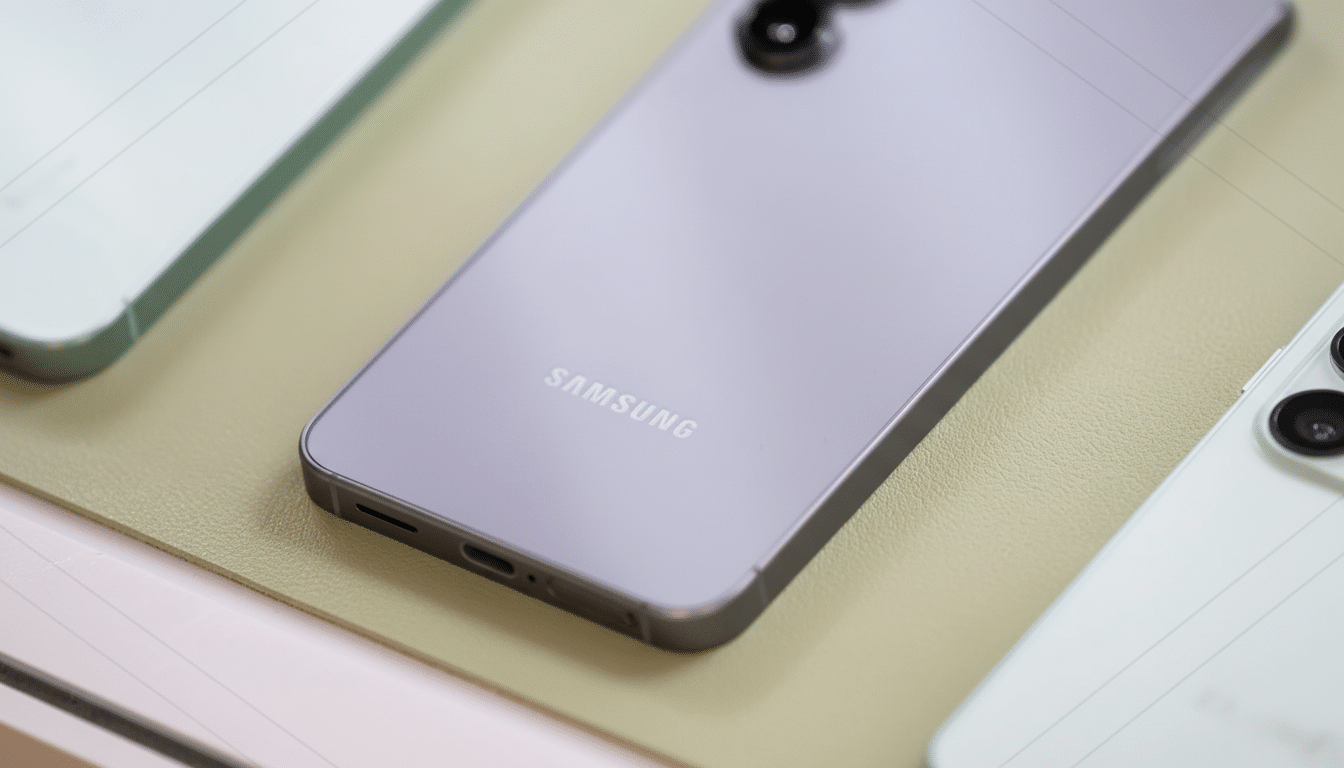
To be fair, historically phones under 6mm had small batteries or wouldn’t push the GPU/CPU as hard. Expect Motorola to make use of higher energy-density cells, bigger vapor chambers than you would expect in an ultra-slim body, and aggressive heat spreading to keep temperatures low.
Cameras are another headache: large sensors and stabilized optics consume vertical inches. Stacked sensors, premium lens plastics, and trick packaging are used to shave every last millimeter of z-height. A discreet camera ring indicates Motorola is going for a clean look without compromising fundamental image quality, but we expect there will be some minor bump or clever curvature to accommodate contemporary optics.
Positioned next to Samsung’s rumored Galaxy S25 Edge
The thin version of the Edge would serve as more of a sleek and pocketable option that doesn’t stray too far from the key pillars of the S-series experience. Motorola, however, can distinguish itself with more aggressive finishes, lightweight build, and lean software — the latter an area its recent Edge and X-series phones have received plaudits for clean Android builds in addition to a snappy feel.
While Samsung’s method is to shrink down a workaday flagship, Motorola could instead seek to make the X70 Air a design-first halo device that riffs on materials innovation and thermal engineering. The winning recipe will probably depend on whether either brand offers all-day battery and consistent peak performance in a mid-5mm chassis.
China-first strategy and the broader global perspective
On Weibo, the teaser trailer suggests the debut will happen in China first. That would fit with Motorola’s recent playbook: double down on launching X-series phones in the U.S., then rebranding a few as Edge models and selling them worldwide. The X30 Pro was the Edge 30 Ultra and the X40 teased the Edge 40 Pro, so if the X70 Air rings true it’s a well-trodden path.
Motorola drops a hint that the full unveiling is around the corner, and the rhythm suggests they want to be at or near the front of the thin-phone cycle rather than behind it. If the X70 Air follows suit, a global sibling might eventually emerge with the Edge name attached, sitting above the mainstream Edge line as a design-focused flagship.
Bottom line: thinness must balance performance and battery
“We really wanted to create a premium device, because Apple Air and Samsung S25 Edge really created a new segment called the ultra-thin,” he explained of his inspiration behind the Motorola X70 Air. The story won’t be millimeters alone — it will be whether Motorola can balance thinness with stamina, heat, and camera execution. Assuming it gets the fundamentals right, the X70 Air conceivably could be more than a mere silhouette — it might become the blueprint for everything that flagships are supposed to feel like without all the heft.
