


Motorola has finally entered the phone-to-tablet fray with the Razr Fold, a book-style device introduced on Lenovo’s stage at CES that opens from an ordinary handset to a spacious tablet. It represents a strategic course change for the brand most famous for clamshell Razrs, an indication that Motorola is prepared to challenge the kings of large-screen foldables with a larger canvas, some serious camera hardware, and even a bit of AI.
A larger canvas with a book-style design for tablet-like use
The Razr Fold eschews the flip phone shape for a hinge that opens like a book with its spine down. Closed, it has a 6.6-inch cover screen for that one-handed use factor. When opened, there’s an 8.1-inch 2K LTPO display inside that provides tablet-like real estate for multitasking, reading, and creative apps. That inner panel spreads beyond the screen space of many of its competing book-style devices, and other would-be tempters to productivity such as Google’s recent Pixel Fold version, further evidencing Motorola’s mission for productivity to take center stage.
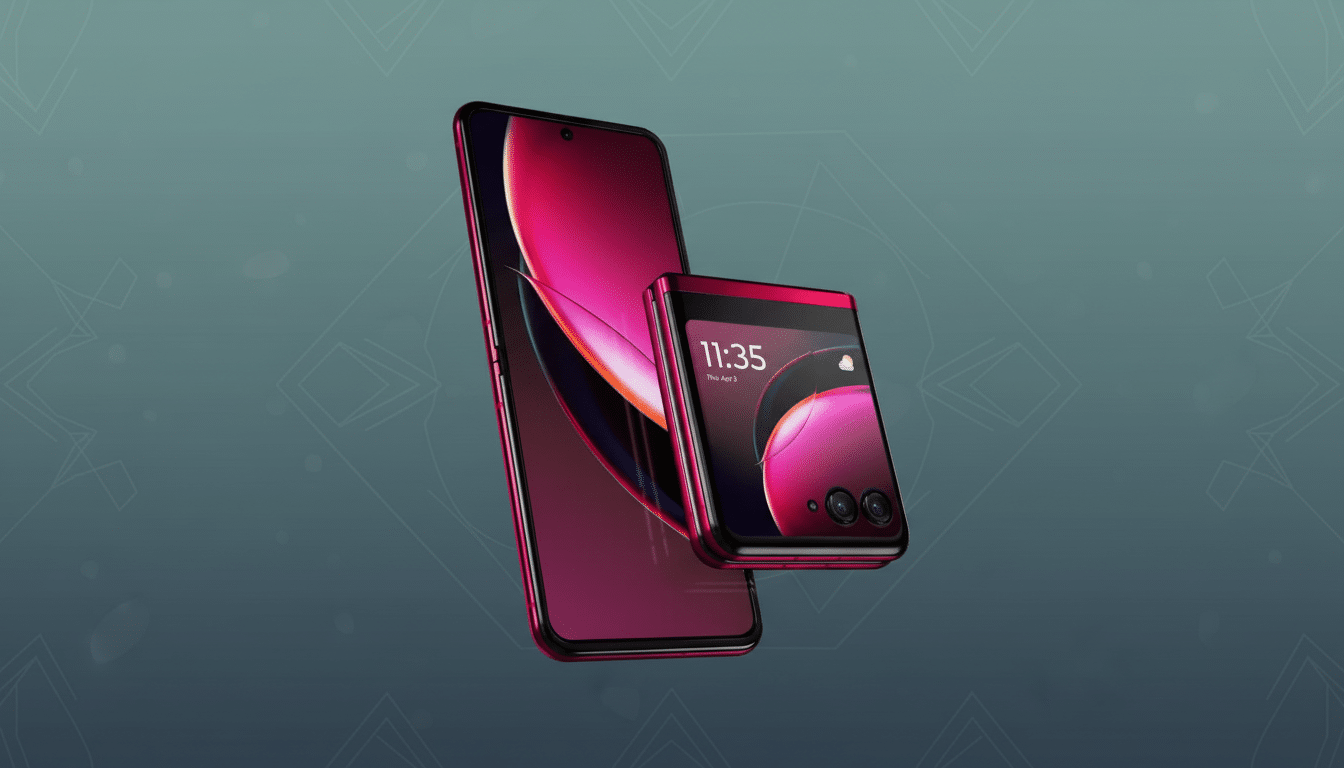
Motorola has yet to release full resolution and refresh rate figures beyond the LTPO designation, but typically this allows for adaptive control, which ramps up frame rates for fluid scrolling and slams them down to save power when viewing static content. The true test will be how well the hinge handles crease visibility and durability — two of the places that the category has significantly improved in over the past two years.
Camera hardware and imaging with triple 50MP system
Imaging is a clear priority. The Razr Fold gets a triple 50MP rear array: wide, ultrawide (which also serves as macro), and a 3x periscope telephoto for tighter framing. At the top of the outer display is a 32MP camera for your normal selfies, while above the inner screen is a 20MP snapper aimed at conferencing and those creator workflows. At its heart sits a newer generation imager, the Sony LYTIA sensor, specifically designed for high dynamic range and better low-light signal, paired with Dolby Vision support for stunning HDR capture and playback.
The hardware mix indicates that Motorola is pursuing flexibility over extreme zoom. A 3x periscope is as much about day-to-day reach as it is long-range novelty, and it lends itself well to the bigger viewfinder a pop-up display allows. But if Motorola’s computational tuning lives up to the specs on paper, the Razr Fold could be home to one of the more balanced camera systems in a big-screen foldable.
Productivity and AI features aimed at daily efficiency
Alongside the screens and sensors, Motorola will also market the Razr Fold as a productivity hub. The device is compatible with the Moto Pen Ultra stylus for drawing and annotating, a nod to users who prefer pen-first workflows on their portable tablet. On the software end, among its other AI touches, Motorola has included a couple of features like Catch Me Up (a notification and message digest) and Next Move that suggest context-based automations to help save you time. The big question is execution: will these tools help smooth processes out or add another layer of prompts? Keep the summaries brief, ensure the suggested actions are pertinent, and these could end up as everyday utilities that loosen us from demo fodder.
The company did not include any specific details about the chipset powering the phone, battery size, charging speeds, or water resistance. Those omissions matter, particularly for a device that’s supposed to multitask and do stylus input and camera capture without compromise. Battery life and thermal management are the two biggest make-or-break factors of book-style foldables — durability ratings can also be the difference between a confident buy and waiting it out.
Price and positioning could disrupt the foldable market
Pricing is under wraps, but strategy will be important. Motorola has had success with value-first phones, and bringing that game to foldables could shake things up. Many book-style rivals have launched north of $1,500, and the average sales price across foldables remains significantly higher than the flagship slab market, according to IDC. If Motorola can offer 8.1 inches of screen, a triple 50MP camera system, and stylus support at an appealing entry point, the potential target market is significantly larger than just early adopters.
There is historical precedent for such a move. Global foldable shipments were roughly 10% higher year over year in the first half of 2023 even as the broader smartphone market shrank, according to Counterpoint Research, helping to demonstrate that these designs can be durable if they reach a compelling price-performance trade-off. Display Supply Chain Consultants has also observed better yields on the panels and cost trajectories, which will allow manufacturers to put more value into new designs.
Why the Razr Fold could matter in the foldable landscape
For Motorola, the Razr Fold rounds out its foldables portfolio: clamshell for pocket-first convenience and book-style for face-first productivity. For the market, it has been a credible challenger in a field that requires more than one — maybe two at most — serious premium contenders to truly scale. With a larger inside display, pen support, and an imaging stack centered around an up-to-date Sony sensor, the Razr Fold has more of a reason to exist straight away.
There are still unknowns, and the ultimate judgment will come down to how this thing performs day in, day out, battery life, quality of crease, and what the AI can do when it leaves a demo hall.
But on paper — and in our hands-on short-duration impressions — the Razr Fold looks like Motorola’s most fully formed big-screen device to date. If the price undercuts incumbents and the experience remains intact, Motorola’s first phone-to-tablet foldable might also be the brand’s most important release in years.
