


Motorola’s often-rumored, book-style foldable phone is no longer just a whisper. A fresh leak containing what appear to be official marketing materials suggests that a device called the Motorola Razr Fold could prove to be the Samsung Galaxy Z Fold line’s new heavyweight rival in the realm of big-screened foldable devices.
The materials, which were surfaced by veteran leaker Evan Blass and repeated in a number of outlets, frame the Razr Fold as Motorola’s first tablet-style inward-folding phone. The messaging highlights “brilliant displays, intelligent AI and an advanced, boundary-breaking camera system” — three pain points where Samsung’s flagship foldables have excelled and been chastised by power users.
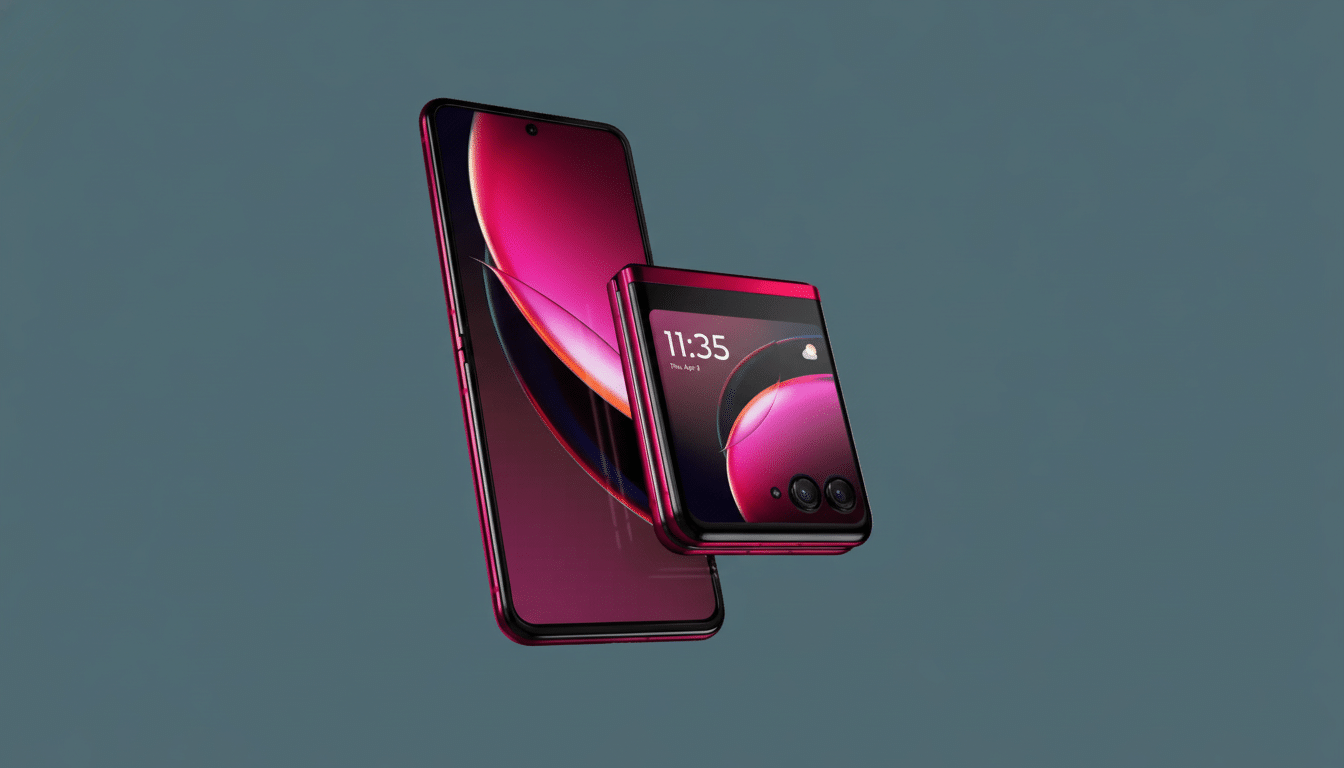
What the Motorola Razr Fold marketing leak reveals
Although hard specs are under wraps, the language in this leaked slide suggests that Motorola will lean into three pillars: screen quality (razor-thin bezels and punch holes), on-device AI (baked somewhere deep into Android) and a camera upgrade designed to close the gap with slab-flagship shooters. That’s an ambitious checklist.
Foldable displays have gotten better over time, especially as we’ve seen better ultra-thin glass, less noticeable creases and higher peak brightness. Assuming Motorola’s “brilliant displays” promise simply means a more vivid main panel and/or an in-hand, ready-to-check notifications screen, then it might offer viewing improvements versus the new Galaxy Z Fold.
“Intelligent AI” implies more significant on-device features like real-time transcription, image cleanup and contextual suggestions. Motorola already pushes desktop-style “Ready For” software and camera smarts across its high-end phones; baking that sort of thing into a big canvas could make for even more powerful multitasking, note-taking and creative workflows that foldable buyers actually put to work.
The most audacious among these claims is the “boundary-breaking” camera system. Foldables have previously lagged traditional flagships on optics because of space constraints. Recent devices like the OnePlus Open and Google Pixel Fold have proved what’s possible with a high-quality main sensor and a competent telephoto in a skinny chassis; meanwhile, Google’s Nexus line relied heavily on computational photography to great effect. Should it pair solid sensors with the right tuning and avoid the softness and shutter lag that have hobbled some past Razr models, Motorola could apply real pressure to Samsung’s formula.
Why Samsung should pay attention to Motorola’s challenge
For years, Samsung’s Z Fold line has been the category standard: sturdy hinge, dependable software, and a robust multitasking UI. But fans continue to ask for better cameras, faster charging and less noticeable creases. A credible Razr Fold that ticks those boxes would hit at the core of Samsung’s value proposition.
Camera competition is especially ripe. The Galaxy Z Fold’s main camera is nice, but not typically best-in-class compared to the very best slab phones’ cameras. OnePlus showed that zoom range and low-light capabilities didn’t have to be trade-offs on a foldable. With Lenovo’s hardware supply chain behind it, Motorola could also focus on a bigger primary sensor or a more advanced periscope zoom to upend expectations.
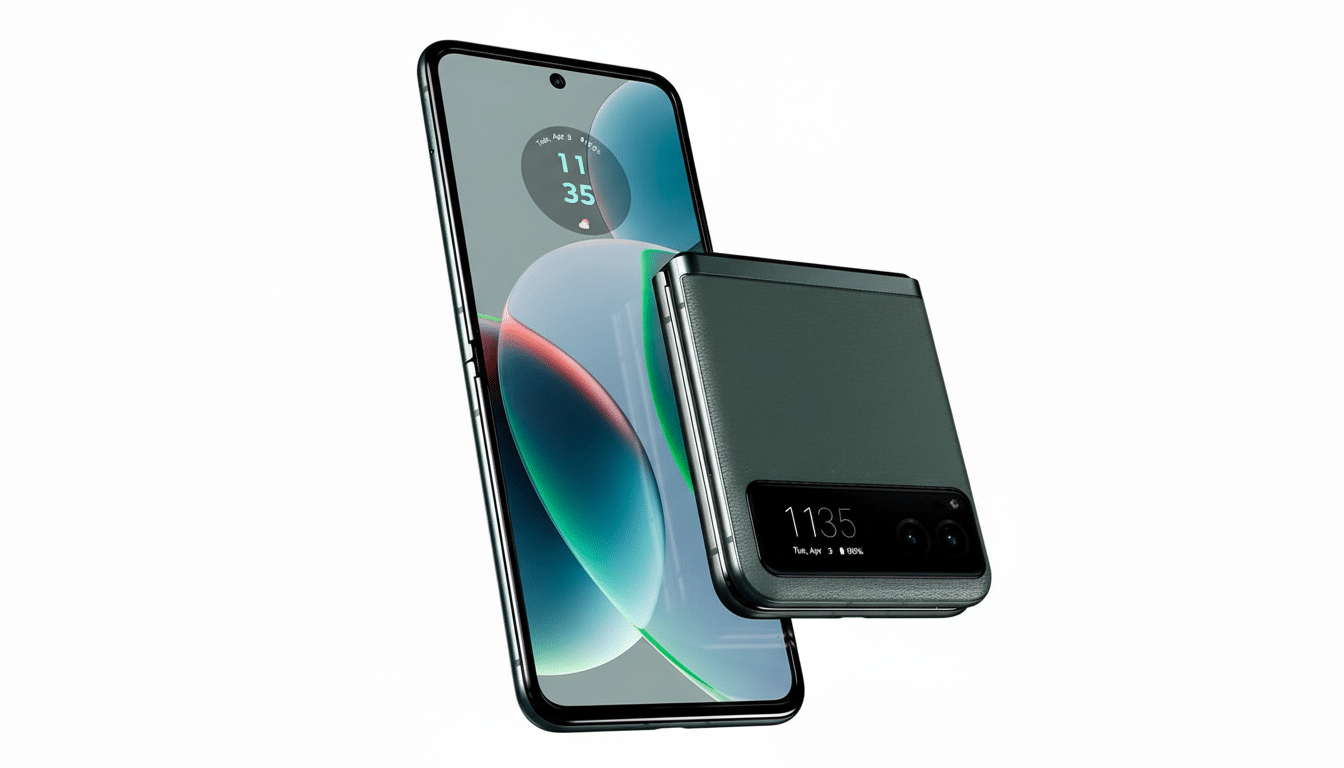
Then there’s software. Samsung’s multitasking is more mature, but Motorola might break through with clean Android builds and its “Ready For” desktop mode for productivity-minded buyers — at least if the Razr Fold does include stylus support at launch and adds beefed-up split-screen layouts or on-device AI features. A lighter body and better battery life would also help to undercut typical foldable pain points.
The stakes and shifting dynamics in the foldable market
Foldables have moved from novelty to growth driver. Even in the recent cycles of slower growth for the broader smartphone market, global foldable shipments have recorded double-digit jumps, according to Counterpoint Research. DSCC is also monitoring strong growth in foldable panel shipments and slow progress on durability and brightness performance, showing a maturing supply chain that is advantageous for all participants.
Samsung is still the volume leader, but momentum is splintering as more brands arrive with better hardware and stronger pricing.
Products such as the OnePlus Open and the Honor Magic V series have demonstrated that slimmer profiles, wider outer displays and improved cameras can win over buyers who used to default to the Z Fold. The right Razr Fold, with the right combination of specs, software stability and a carrier partner, could hasten that change.
Motorola also has brand equity in foldables given that its modern take on the Razr clamshell has been well received. Those include improved hinge durability, water resistance and functionality of the cover screen. Applying those lessons to a book-style form factor dials down the runway to a polished first-gen user experience.
What to watch next as the Razr Fold moves toward launch
Leaked marketing material usually precedes certification filings, retail box leaks and regional carrier postings. Keep an eye out for display specs (brightness, crease visibility, refresh rates), camera sensor specifics and battery size. Pricing will be key; recent rivals have undercut Samsung while retaining premium specs, and it’s a tactic that’s evidently worked.
If Motorola comes through with the aforementioned AI suite tease and a significantly upgraded camera, the Razr Fold could recalibrate our expectations for this product category and push Samsung (and others) to respond more quickly on optics, charging and software functionality. For consumers, that’s the ideal result: more choices, better performance and a quicker pipeline to actual innovation with big-screen foldables.
