


I spent some time with the Razr Fold, Motorola’s first book-style foldable, and came away more worried than I was excited. At first glance the hardware looks shiny, but a short, tightly controlled demo revealed holes that make a difference on a big-screen device: maturity of software, ambition of camera, and storytelling against rivals who have iterated for years.
Software Needs to Keep Up With Big-Screen Ambitions
On a foldable that serves as a tablet-size canvas, the software is everything. In my demo, Motorola only let me get as far as basic navigation; the company explained that the build wasn’t final and it sure looked like a work in progress. Real multitasking was a little shaky, and I couldn’t really test the camera app or AI features. “We have an uphill battle,” said Wes Nichols, a product manager at Microsoft who worked on the development of Courier and Surface and is familiar with some of what it takes to build a new category in tech. “You don’t get do-overs.” Which is why I’m most concerned by what’s happening with apps now: It’s really not so encouraging just yet! And if we’re talking about folding PCs as tablets, that’s one helluva red flag for the category when windowing, drag-and-drop, and continuity between the cover screen and inner display must work perfectly out of the gate.
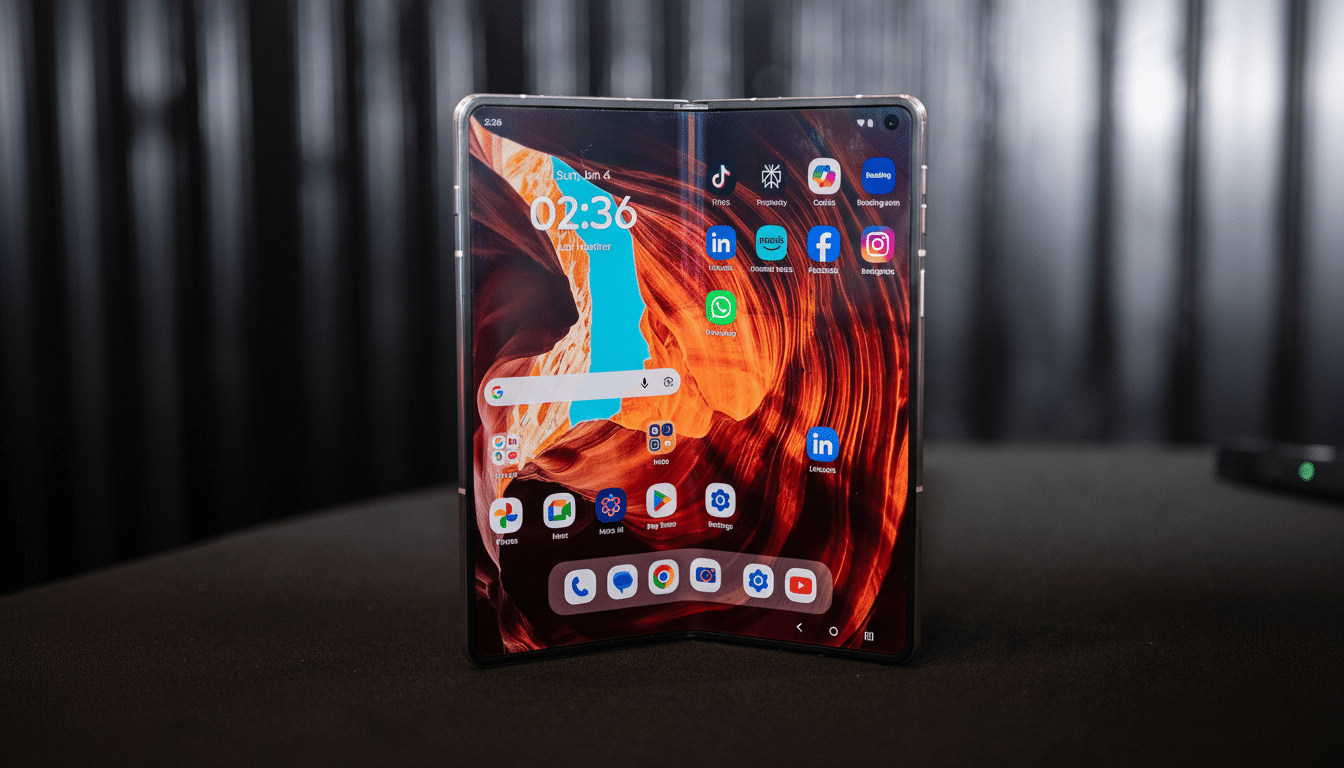
Google and Samsung learned the hard way that blowing up phone UX for a bigger display doesn’t mean simply stretching apps. Google’s Open Canvas formula for big screens, along with solid taskbar and split-screen controls, at last made multitasking feel deliberate and not like something being tested out. Samsung has years of tablet knowledge, desktop-style DeX thinking, and an army of optimized apps. Motorola doesn’t have that kind of large-screen lineage, and it needs to establish quickly that it can meet the bar on window management, keyboard/stylus support (if any), and continuity behaviors without quirks or layout bugs.
Longevity also matters. Samsung and Google now guarantee as many as 7 years of OS and security updates on their flagships, a significant promise for a pricey foldable. Their traditional update schedule is a centrist one, communism-style. And then meeting those commitments has an effect beyond mere marketing—giving the customer confidence that early wrinkles will be ironed out and that developers have a stable target.
Cameras Still Looking For a Reason to Be
Foldables reveal something odd about cameras: more real estate doesn’t mean better photos. Even the most venerable book-style models have failed to challenge their slab cousins. Samsung’s Fold line took a few generations to hit near-Galaxy S-series parity, and Google has relied on computational tricks to make up for dinky optics. I also didn’t get to take sample images with the Razr Fold in my hands, so there’s a huge question mark.
Devices that are like books call for a clear identity in terms of the camera: The hinge should be justified by strong quality (preferably credible telephoto) and low-light performance, and software that can use the different screen positions. Shooting with the flex angle should feel like a good choice, not just a gimmick. It was the lukewarm quesadilla, with the main cameras transformed into fancy selfie shooters thanks to the cover screen. The book-like device, on the other hand, is going to be far less ergonomic—so Moto needs some new ideas that fundamentally change how we shoot, not just a reshuffled UI.
Hinge Strength and Confidence to Show It
The hinge was solid and the chassis felt well machined, but there are still questions about dust resistance, crease management, and serviceability. Most foldables advertise masses of lab-tested durability—typically something like 200,000 folds—but real-world failures often center on particles getting caught in the hinge or beneath the ultra-thin glass. Entities like iFixit have often noted the repairability and expense of inner displays, while DSCC has pointed to the industry’s desires to toughen protective layers even as it slims them.
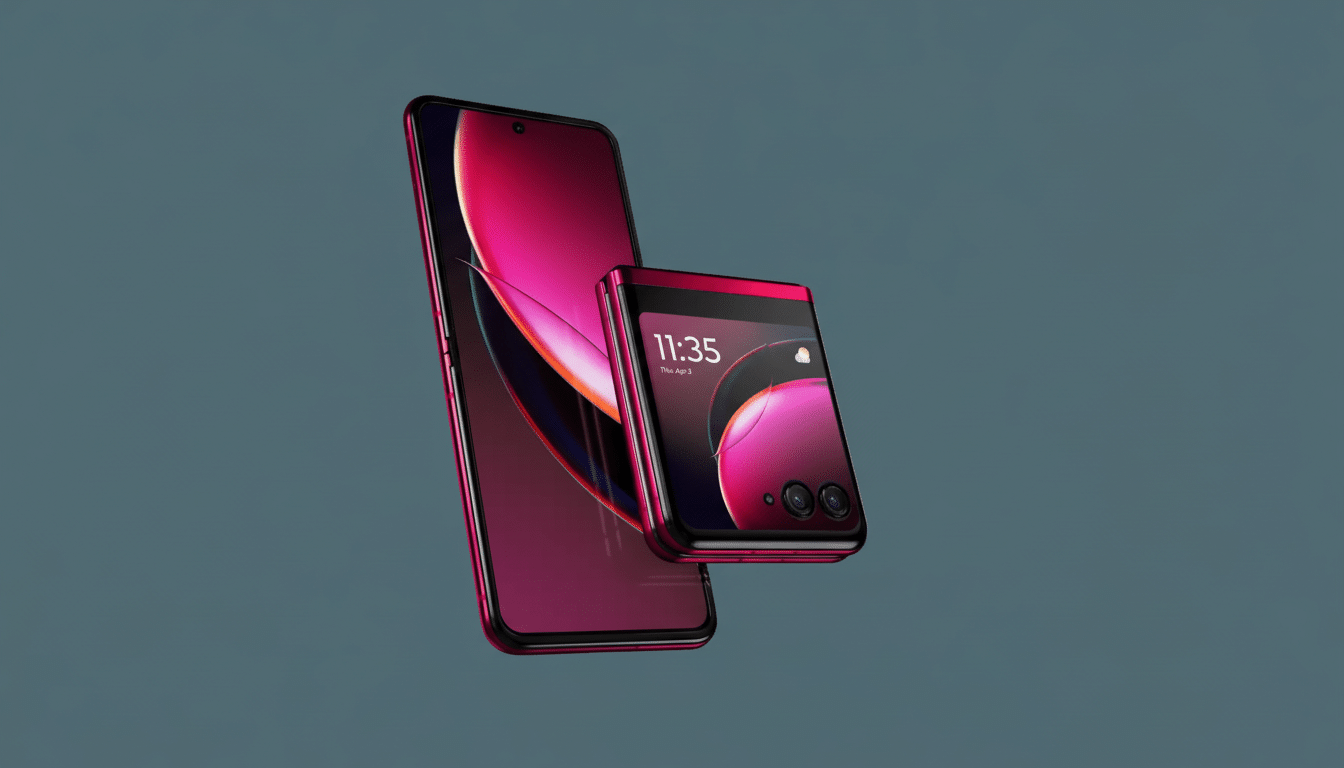
Ingress protection is another worry. Some of its competitors can withstand some water pressure, but dust is the greater threat for such folding mechanisms. And if Motorola can’t offer effective dust protection to brag about, then trust in that hinge design and those licensed sweepers have to be able to back themselves up with clear test results. A clean warranty process, transparent repair pricing, and a dependable service network would do wonders in calming buyers’ fears.
Market Timing, Price, and Target Audience
Foldable shipments are growing by double digits year over year, according to research from Counterpoint Research, but book-style machines still fall behind flips in unit shares due to pricing and the need for stronger software. IDC has also stressed how carrier promotions drive adoption, and that aggressive trade-in deals can be a make-or-break for any given device launch. Without rock-solid software and a standout camera on the Razr Fold, for example, it’s in danger of becoming more of a niche curiosity that arrives at premium pricing.
There’s a familiar, proven playbook for displacing incumbents: show up thinner and lighter than the class, promote cameras that capture good-looking photos or video, and undercut on price. OnePlus executed that strategy and others were forced to react. Motorola has design flourishes it can wring out—Pantone colors, tactile finishes—but looks aren’t going to be enough to compete with the comfort of a given ecosystem, the potential for highly refined apps, and long-term support. Rumors swirl around an Apple foldable, as reported by outlets like Bloomberg and The Information, only making the stakes higher for attention and developer mindshare.
What Motorola Needs to Get Right, Right Now
To turn heads, Motorola will need to nail a top-end multitasking experience from day one, so apps scale elegantly between the outer and inner displays, and make some bold promises about long operating system and security support.
Identity would come from a camera system with serious telephoto, solid stabilization, and hinge-aware modes. Transparent durability data, fair repair pricing, and strong trade-in deals could also help change some people’s minds. Most importantly, though, the Razr Fold needs a simple story to tell: Why does having a big screen make everyday tasks faster or more delightful than on a slab phone?
I admire the ambition of what I can see in the hardware, but for me at least this iteration of the Razr shows a savvy design in need of completing. If it can close the software gap, establish a bold support policy, and sharpen the camera proposition, then it has a fight on its hands. Until then, there is good reason for the fact-shy buyer to be cautious.
