


Motorola’s second-gen smart tracker is targeting Android fans who want reliability without playing nanny to a nearly dead battery. The Moto Tag 2 is said to offer a 35% increase in battery life over its predecessor, taking everyday use to around 500 days or so on a replaceable coin cell — around 16 months between swaps — while also offering even stronger weather protection.
The update arrives as item trackers have moved into the mainstream market, with purchasers looking for week-in, week-out performance and reliable finding along with protections against unwanted tracking. Moto Tag 2 exploits all three of them.
- Key details about Moto Tag 2 performance and features
- Tracking technology under the hood: UWB, Bluetooth, and more
- Design and battery practicalities for everyday use
- Availability and pricing for Moto Tag 2 in early markets
- Security and ecosystem considerations for safe, smart tracking
- Bottom line for Android loyalists considering Moto Tag 2
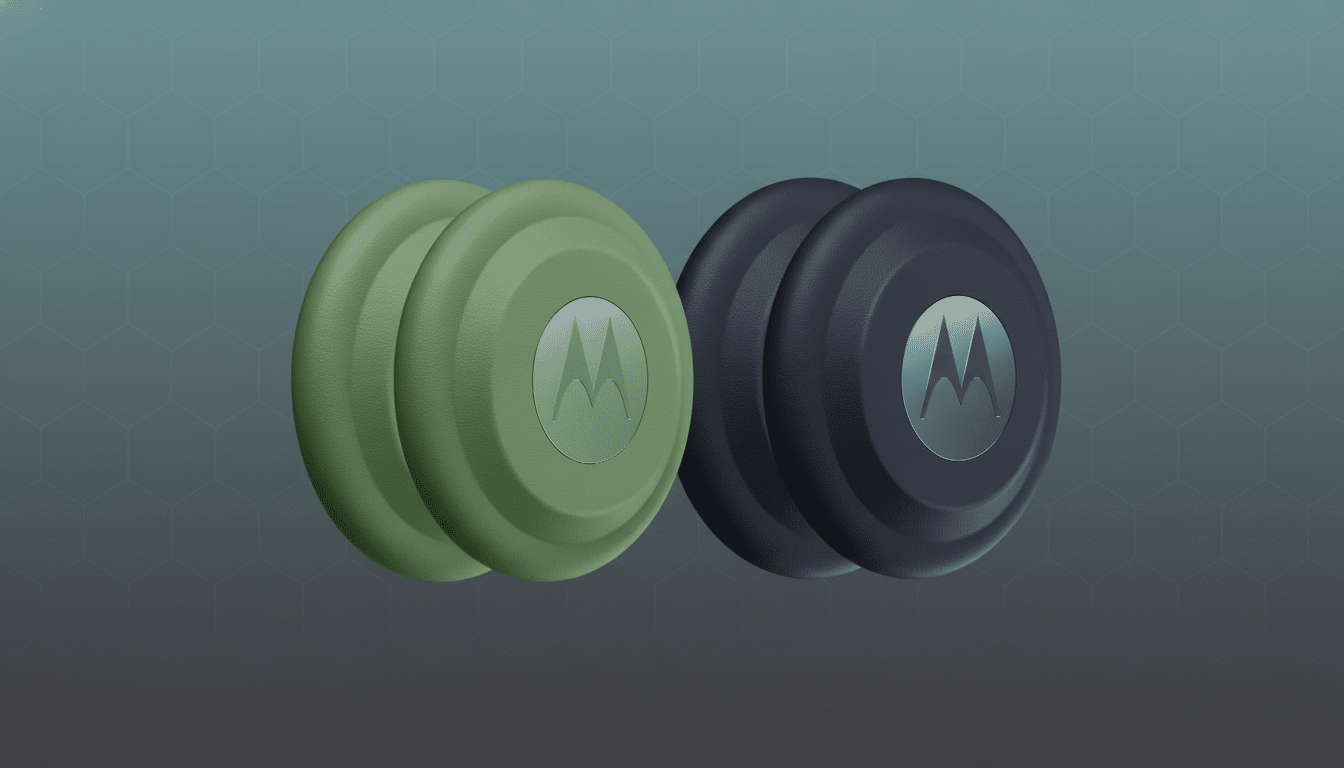
Key details about Moto Tag 2 performance and features
Champagne-spraying headline 1 is power efficiency: the Tag 2 lasts about 500 days off a coin cell, increasing on last year’s estimate of a year — helped by refined firmware and radio tuning, says Motorola. For context, Apple’s AirTag typically lasts a year, while Samsung’s SmartTag 2 is touted at between 500–700 days depending on mode. In other words, Moto is elbowing its way into the top tier on endurance without quite inflating the form factor.
Durability gets a boost, too. The new series is rated IP68, which means dust-tight sealing and withstands up to 1.5 meters of water for 30 minutes. That’s the sort of rating you want if your keys end up in a slushy curb puddle or your backpack gets soaked during a commute. Motorola still advises against dropping it in the pool, but the normal spills and storms should be nonissues.
Tracking technology under the hood: UWB, Bluetooth, and more
Ultra-wideband (UWB) hardware is on board for more precise, directional finding at short distances — like walking right up to the couch cushion that swallowed your remote control. UWB also helps to avoid over-reliance on Bluetooth signal strength, which can be messy in busy radio environments.
The tag works with Google’s Find Hub network, and enlists the aid of nearby Android devices to anonymously track down missing items in a safe way. Crowd-assisted discovery is just table stakes in today’s world of trackers, and Android’s network scale is a real advantage for coverage in densely crowded areas such as public transportation, tunnels, and city centers.
There’s also support for Bluetooth Channel Sounding, a next‑gen ranging technique that provides more accurate distance estimation than RSSI by measuring features of the radio signal itself. Those new features will only work if you have a phone running Android 16, but the tracker itself is still compatible with devices on Android 9 and higher.
Design and battery practicalities for everyday use
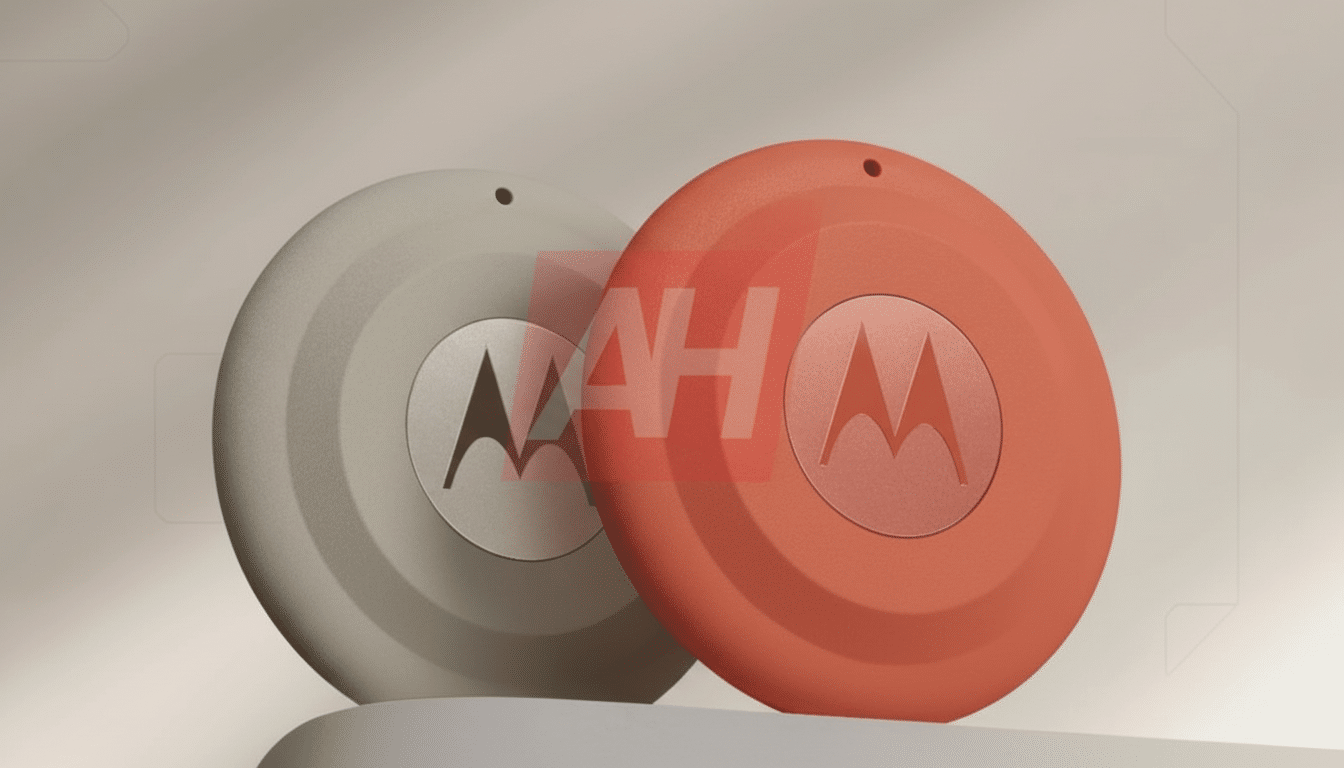
The Tag 2 mixes metal and plastic materials, with a Laurel Oak finish as the flagship color, which is neutral but Pantone puts in the yellow family despite a beige-heavy facsimile in photos. The understated palette blends right in with keyrings and luggage tags without attracting unwanted attention, which is a popular choice among travelers.
Crucially, the battery is user-replaceable. That keeps the long-term cost of ownership down and prevents the e-waste behind sealed designs. With half a decade of runtime, tracking a bike, camera bag, or checked suitcase means fewer “is it still alive?” checks and more confidence that your tracker won’t sputter right when you need it.
Availability and pricing for Moto Tag 2 in early markets
Motorola here is focusing on the initial markets outside of North America, and it hasn’t announced a US release period. Pricing in Europe is the same as it was for the first-generation tag, at $29.99 a go, making it extremely aggressive in terms of market competition compared to some of its rivals.
Security and ecosystem considerations for safe, smart tracking
Safety features are table stakes for 2026, with Parker highlighting industry efforts led by Apple and Google to harmonize unwanted tracking alerts on different platforms. We don’t get a detailed look at it from Motorola here (other than it including “Google’s network”), but interoperability with Google’s network often has alerts and controls in place that let users know if a stolen or lost tag seems to be moving alongside them; an important component of the book of trust between consumer and company.
For on-device support, UWB location requires a UWB-capable phone, but the tracker still works over Bluetooth with more Android devices. That ensures core finding and network-assisted location work for the majority of users, while premium features ramp up on more recent hardware.
Bottom line for Android loyalists considering Moto Tag 2
If you live in the Android ecosystem and want a discreet, long-lasting tag with up-to-date ranging tech, the Moto Tag 2 strikes just the right chords: it is 35% more battery-efficient than AirTag, packs IP68 durability and UWB precision tracking, while retaining a reasonable price. There is only one catch: timing — location details are not available to North American readers yet. For those individuals, this appears to be one of the most well-rounded trackers you can purchase today.
