


A secondhand buyer who thought he was picking up two used GeForce RTX 3080 Ti cards received something far more rare instead: engineering sample boards equipped with a whopping 20GB of GDDR6X memory each.
First highlighted by VideoCardz and first shared by Reddit user Tommyjones91, it’s an unexpected windfall of a discovery that gives us a rare glimpse at an unreleased memory configuration possibility for Nvidia’s new high-end Ampere GPUs—and also an example of how driver support for preproduction hardware can be a minefield.
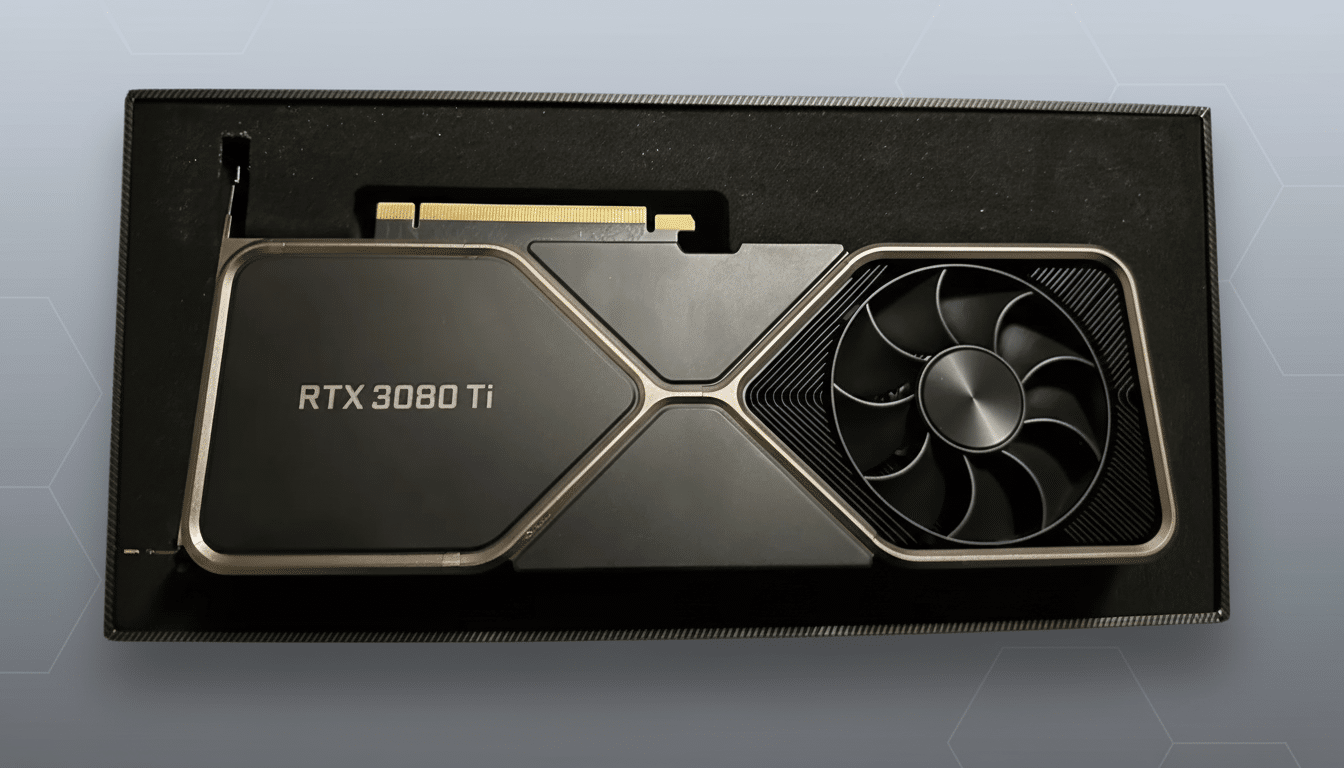
What Came in the Box with the RTX 3080 Ti Engineering Samples
The seller claimed there was nothing special about the cards, but upon installing them, both booted and displayed video without issue, the buyer said. The catch: Windows and GeForce software didn’t see them as retail devices, because the boards featured no official device IDs—a typical artifact of engineering runs meant for internal validation. Once the buyer put in the missing IDs using a third-party patcher, the cards took GeForce driver 581.94 and worked flawlessly.
Its distinguishing feature is the memory. A vanilla RTX 3080 Ti comes with 12GB of GDDR6X. These samples feature 20GB, with that relatively uncommon SKU for an Ampere gaming product never released to retail. There were reports of another 20GB 3080 Ti that popped up on eBay earlier in the year, one that was purportedly a Founders Edition; however, we’re left to wonder if Nvidia tested other memory configurations, as it did with the RTX 3070, before ultimately deciding upon 12GB.
Why 20GB Is Still a Big Deal in Today’s Games
The history of VRAM requirements has continued to rise steadily as 4K textures, ray tracing, and unbounded shader compilations have become commonplace. Reviews from TechSpot and Digital Foundry have shown that modern titles can exceed 12GB at 4K with max textures and RT on, leading to hitching or demanding a lower texture quality on the 10–12GB cards. Jumping up to 20GB gives room for hi-res assets, path-tracing experiments, and content creation workloads such as 8K timeline scrubbing alongside huge AI upscales.
On paper, the RTX 3080 Ti is already very near or at the top of the Ampere stack when it comes to gaming—its CUDA core count and bandwidth sit there. Pairing those cores with more VRAM doesn’t add to raw compute, but it can help with texture swapping and mitigate stutter in those memory-hungry situations. For a more practical application, you can look forward to cleaner 4K experiences in RT-laden games and fewer texture packs making compromises.
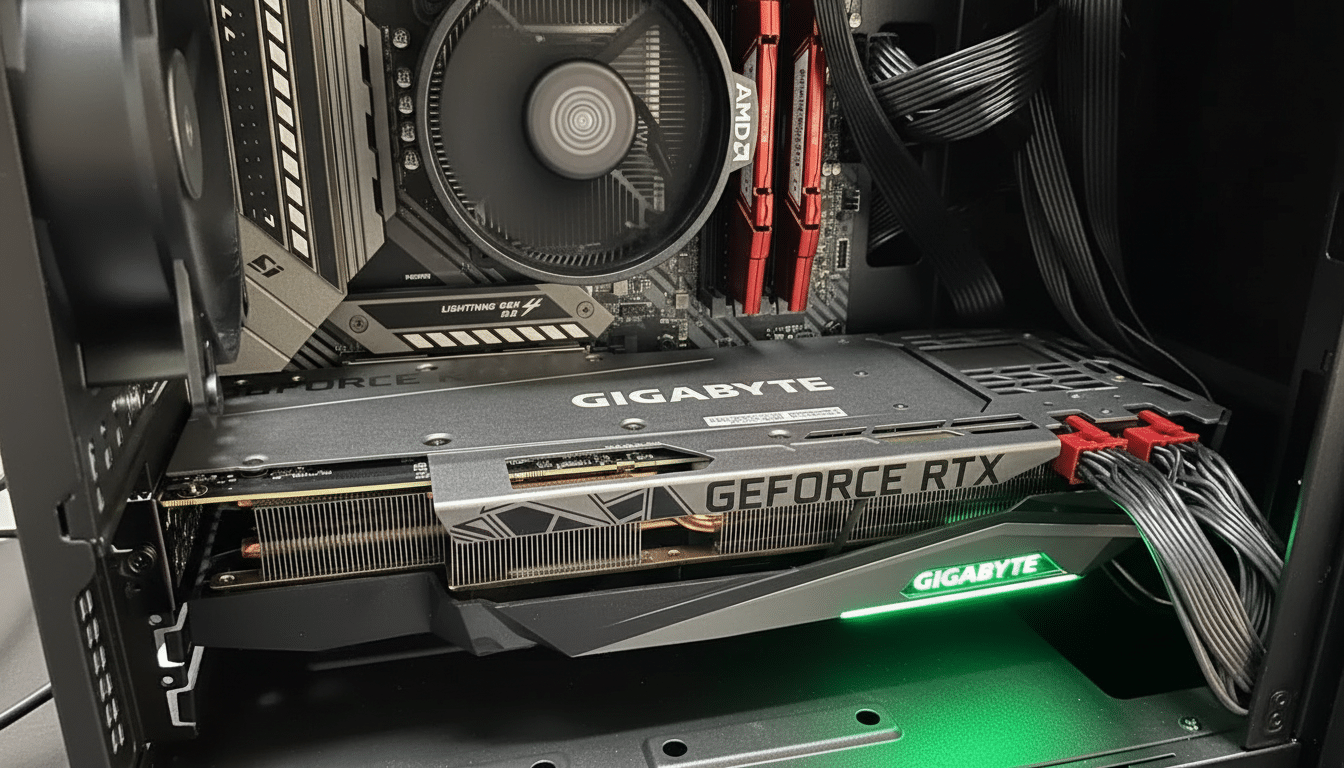
The Catch with Engineering Samples and Driver Support Risks
Engineering samples are a gray area. They are designed to validate silicon, memory maps, and board layout, not for resale. Product IDs can be exposed via registry keys and values, including vBIOS versions and power or thermal characteristics (e.g., versions can be tentative, and build suggestions can vary from those in-store). Driver support is never a given; future drivers can break what current drivers enable. It is part of the reason that manufacturers label such hardware “NVIDIA Confidential” and limit its use.
For tinkerers, it’s both the allure and danger. With no support from the manufacturer, a routine OS reinstall may lead to lost device-ID patching and no RMA safety net. That said, once the board is properly identified, this individual is running as we’d all expect—at speeds exceeding those of a stock 3080 Ti in circumstances where that surplus VRAM starts to sing.
A Look at What Could Have Been for RTX 3080 Ti VRAM
Internal ones, such as these, provide a glimpse at the kind of decision-making behind retail GPUs. Nvidia’s public Ampere lineup sported 10GB on the RTX 3080, 12GB on the 3080 Ti, at least 16GB for its RTX 4080-class successors, and a whopping amount for its halo models. A 20GB 3080 Ti would’ve filled an odd niche between enthusiasts and prosumers, perhaps ensuring gamers didn’t run into any VRAM headaches as games became more demanding in the wake of that card’s launch.
At the end of the day, the accidental buyer wound up with a slice of GPU history—and a useful upgrade for high-res gaming and creation workloads. An amusing reminder that behind every piece of consumer hardware squats a billion tree frogs of alternative configurations, most never seeing the light of day except for when an errant set of engineering boards slips into the wild.
