


Meta has purchased Limitless, the maker of AI devices most widely known for a pendant that records conversations as well as its long-ago Rewind desktop memory app. The startup said it will cease hardware sales immediately, finish off subscription fees by pushing every single one of its customers onto an Unlimited Plan, and support users for a year while giving access to data export and deletion.
The deal highlights Meta’s effort to integrate AI into consumer hardware, particularly wearables, as it expands beyond chat-style assistants to context-aware gadgets that can interpret the world around users.
- What Limitless Built: Devices and Memory‑First Software
- Why Meta Wants Limitless for Its AI Wearables Strategy
- Privacy and Data Handling for Always‑On AI Wearables
- The Crowded Field of AI Hardware and Struggling Startups
- What Changes for Users After Meta Acquires Limitless
- What to Watch Next as Meta Integrates Limitless Technology
What Limitless Built: Devices and Memory‑First Software
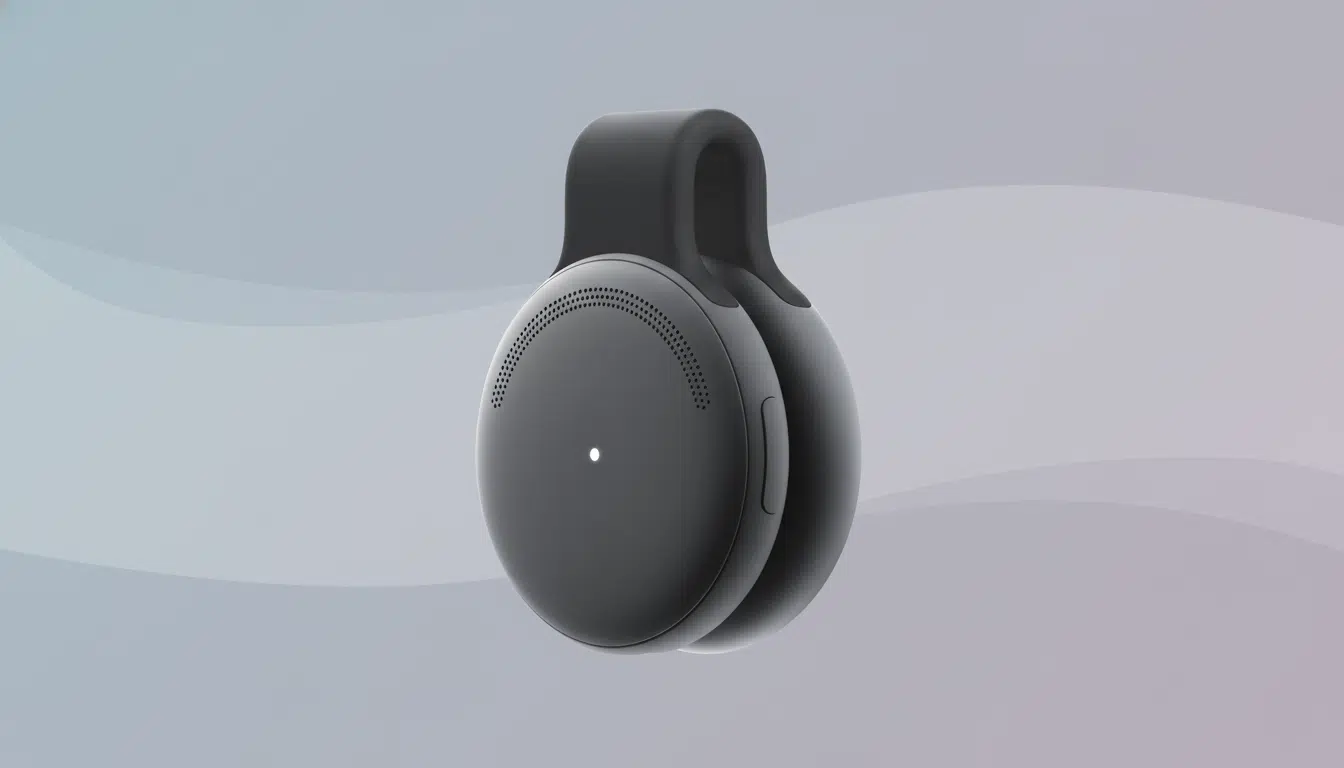
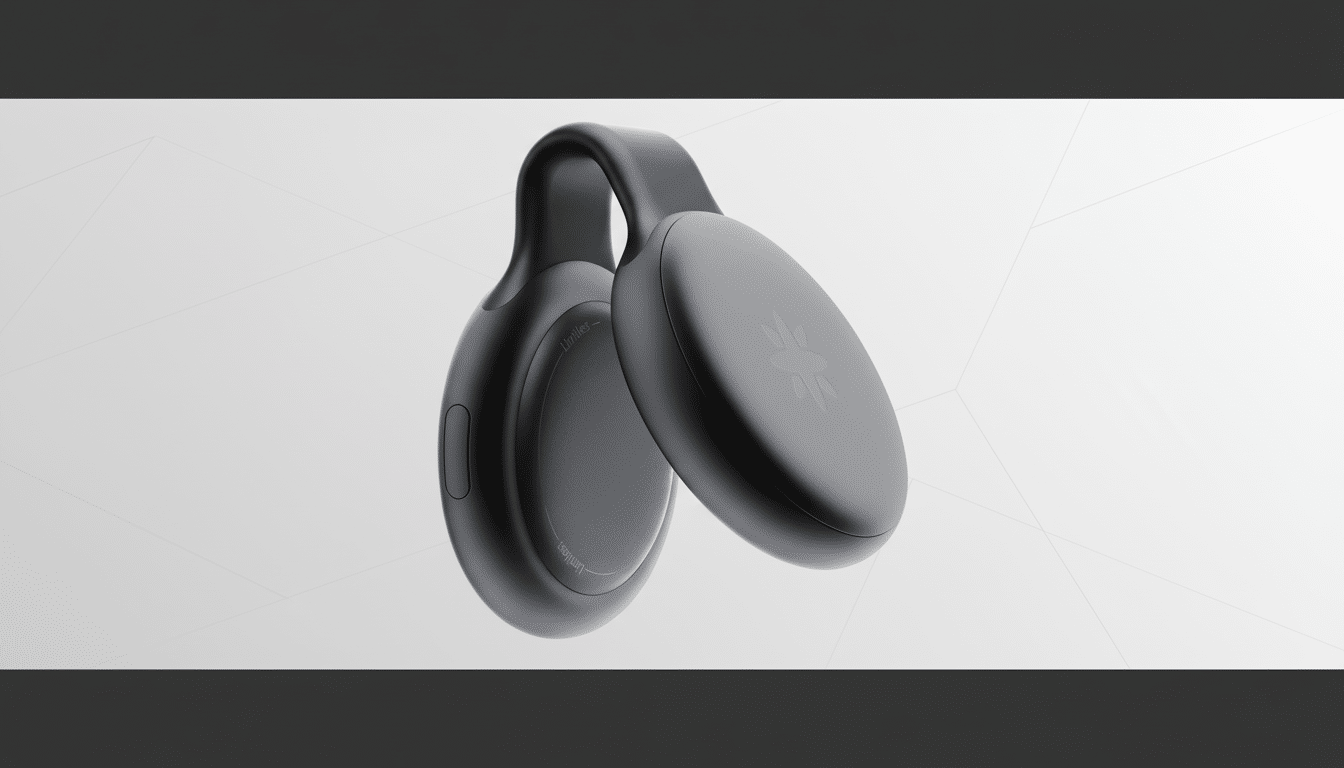
Limitless, which used to be called Rewind, had an audacious vision: The company wanted to record everything you see and hear, and then organize it into a private, searchable memory. Its $99 pendant clipped to clothing like a wireless mic, automatically capturing audio of conversations and turning them into transcriptions and summaries after the fact.
Prior to moving to hardware, the company’s Rewind app would record desktop activity, building a knowledge timeline for you. With the deal, Limitless says there will be a winding down of software and support available to existing users as they transition.
The startup was co-founded by Brett Bejcek and Dan Siroker, the co-founder and former chief executive of Optimizely. It had raised more than $33 million from investors like Andreessen Horowitz, First Round Capital, and NEA — money that helped it straddle a rare combination of AI research, product design, and advanced hardware manufacturing.
Why Meta Wants Limitless for Its AI Wearables Strategy
Meta has made it clear that it views AI-native wearables as fundamental to its consumer strategy. Ray-Ban Meta smart glasses already come with voice-first Meta AI as well as multimodal features, and the company has spoken publicly about low-latency, device-based experiences driven by its Llama model family.
Limitless contributes hard-won knowledge of always-on capture, edge transcription, and the work around building interfaces between raw ambient audio and useful end points — meeting notes, action items, searchable memories. (To learn more about its tech and challenges at source: Limitless Tech.)
Those are powers that map nicely to glasses and hearables, where hands-free capture and recall can be transformative without adding friction.
The deal also fortifies Meta in the race for “personal context” — signals about what you’re doing, seeing, and hearing that can make assistants more useful. With big platforms racing toward a post-chat world where machines can aid us in the physical world, wearable-first teams that have actually shipped AI are increasingly rare.
Privacy and Data Handling for Always‑On AI Wearables
Continuous recording systems immediately raise questions of consent and privacy. Many U.S. states require all participants to consent to audio recordings, whereas user trust depends on a visible recording indicator, strong on-device processing, and clear control over data.
Limitless says that existing customers can export or delete their data, and that support will last for a year. For its part, Meta has stressed LED indicators and privacy guardrails in its smart glasses, as well as features that store more data locally and don’t rely on the cloud whenever it’s feasible. Look for close scrutiny of how any Limitless technology is incorporated into Meta’s products and data policies.
The Crowded Field of AI Hardware and Struggling Startups
The AI-first device market has been rocky. Humane’s AI Pin sailed headfirst into stiff headwinds and an optional power accessory recall, Rabbit’s R1 drew attention but suffered in real-life use, while tiny entrants like the Friend pendant received abysmal reviews. Meanwhile, the platform players — Meta, Apple, Google, Amazon — are bundling AI into established form factors where distribution and ecosystems provide an insurmountable advantage.
One pattern that analysts at companies like IDC and CCS Insight have observed: AI features take off more quickly when they ship inside mainstream devices and services users already love. That’s given an advantage to Meta’s glasses and future wearables over solo gadgets from startups, and helps explain why consolidation is picking up.
What Changes for Users After Meta Acquires Limitless
Limitless’ phasing out of hardware sales and subscriptions will transition customers onto an Unlimited Plan, free of charge for the time being. You will receive support for a year, and you can export your data or delete it in the app. The desktop Rewind software is being sunset, with features curtailed during a wind-down period.
For existing customers, the most obvious immediate benefit is cost relief and certainty that they control their data. The trade-off is a finite runway with support and the prospect that future innovation will occur under the Meta brand and hardware.
What to Watch Next as Meta Integrates Limitless Technology
Signals to watch for include how quickly Meta folds Limitless talent into its wearable roadmap, whether transcription and summarization push further on-device, and what happens with privacy features as context capture grows richer.
If Meta incorporates Limitless’ memory-first ideas in Ray-Ban Meta or future devices, you can expect more direct connections between what users encounter at the moment and what their assistant can remember to refer to later on. The company’s bet is clear: the best AI will not live on screens alone — it will live part in, part out of the flow of daily life, and remember just enough about your habits and preferences to make that life an easier place.
