


Meta has just announced a single hub for support across Facebook and Instagram, as well as an AI Help Assistant pilot focused on making account recovery faster and further securing the platform among simplified settings across its platforms. The company conceded that its previous support tools “haven’t always been up to expectations,” framing the update as a structural rethink as opposed to a cosmetic refresh.
What Changes in the New Support Hub for Facebook and Instagram
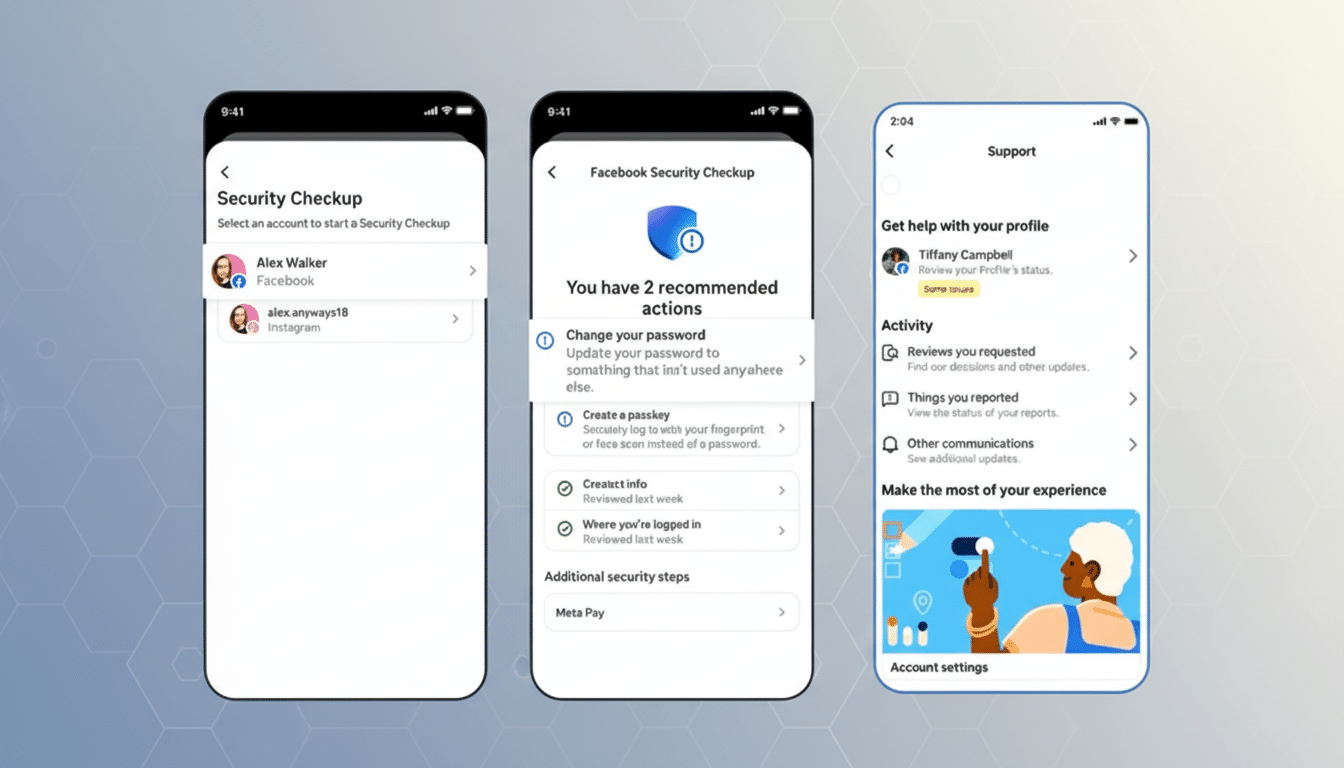
If you don’t know by now, Facebook owns Instagram, and the new hub elevates security controls, account access settings and safety recommendations into one location for both services. It allows users to update passwords, scan for login locations, manage two‑factor authentication and receive personalized advice about strengthening weak spots without bouncing between multiple menus.
- What Changes in the New Support Hub for Facebook and Instagram
- AI Assistant Goes After Account Recovery
- Smart Alerts and Device Recognition Aim to Reduce Friction
- Why It Matters for People and Businesses
- Early Takeaways and Open Questions About Support Changes
- What to Watch Next as Meta Rolls Out the New Support Hub
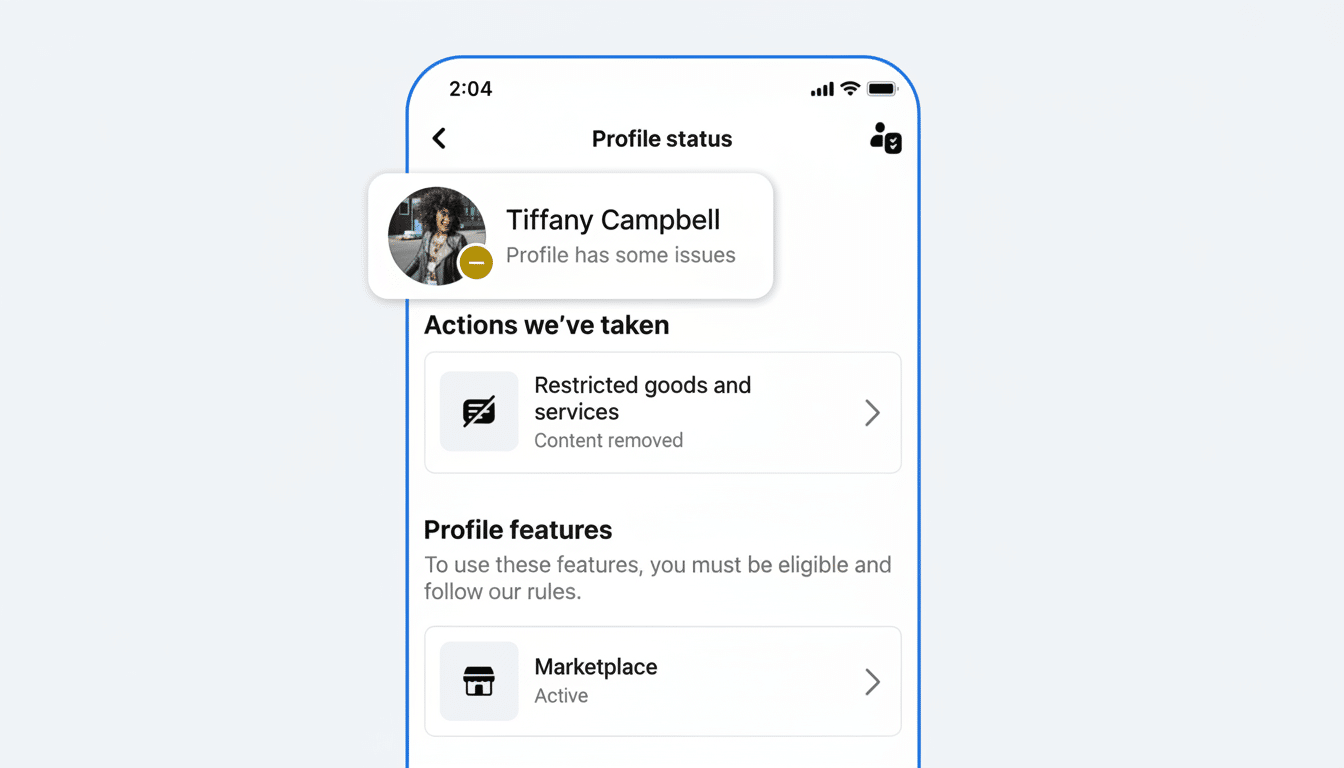
The hub is coming to Android and iOS, with tests starting on Facebook and then rolling out to Instagram, according to Meta. There isn’t a timeline for Messenger, Threads or WhatsApp yet, which indicates this is a phased rollout likely to target the company’s biggest social surfaces first.
AI Assistant Goes After Account Recovery
The AI Help Assistant is meant to help people through tasks such as recovering a locked account, changing privacy settings or selecting how their profile looks. Think of it as a never‑ending guide that can help with triage, surface the right tools and keep users along the help flow, rather than throwing them down the documentation rabbit hole.
Meta has not described how the assistant will address edge cases, or when it hands off to human support, a perennial pain point for creators and small businesses. The company is positioning the tool as an efficiency upgrade, but its ultimate proof will be in whether it decreases time‑to‑resolution for hacked or disabled accounts — one of its platforms’ biggest headaches historically.
Smart Alerts and Device Recognition Aim to Reduce Friction
Behind the scenes, Meta says it is employing AI to more effectively flag “risky” account activity and trying to improve SMS and email alerts. The idea is for fewer missed warnings and fewer false alarms. Better recognition of trusted devices should come with a stable recommendation to best support the system in identifying legitimate vs. suspicious logins — thus less friction for “good” users and better barriers for abusers.
Account recovery will also have added verification options, including an optional selfie video to prove it’s really you. Not everyone will go that far, but it can make all the difference when traditional recovery methods — say, email or phone — are compromised.
Why It Matters for People and Businesses
Losing access is catastrophic for the billions who depend on Meta’s apps — Facebook alone counts more than 3 billion monthly active users, and Instagram has over 2 billion. Creators and small businesses who run storefronts or ad campaigns on these platforms are at real revenue risk if support channels fail them or move too slowly.
The broader security context is also sobering. The Federal Trade Commission receives millions of fraud reports each year, and it has urged consumers that scams propagated on social media increasingly make up a share of those reported losses. According to Verizon’s Data Breach Investigations Report, approximately 36% of social engineering engagements can be attributed to phishing — this is why better alerts and recovery tooling are important.
Early Takeaways and Open Questions About Support Changes
Centralizing support is a meaningful step — particularly if it can ease getting through common fixes, such as unlocking an account when it has been disabled, or disputing software that blocked someone from resuming their job performance after going out on parental leave.
But outcomes will depend on execution: the accuracy of fraud detection, clarity of guidance and whether there is a track to escalate when automation falls short.
Privacy and transparency will also be a focus. Users will want to know what the AI assistant processes, how long it sticks around and what its opt‑outs are. Transparent signals — in average recovery time, reduction of false positives and scores on user satisfaction — would confirm that this overhaul is something more than putting a new coat of paint on the process.
What to Watch Next as Meta Rolls Out the New Support Hub
Key signals to monitor:
- How quickly the AI assistant makes its way to Instagram
- Whether Meta adds the hub to Messenger and WhatsApp
- If human support options start becoming more easily accessible for those trickier cases
Enhancing support tools for advertisers and creators would be a signal that Meta is developing for its ecosystem that relies on it the most.
For now, Meta’s support reboot is a welcome concession and promising start. If the company marries its AI experiments with measurable improvements and clearer pathways to recovery, it could actually fix one of the most tenacious crack spots in its empire: social.
