


Meta has suspended its efforts to license Meta Horizon OS — the software that powers Quest headsets — and revamp it for release to outside manufacturers, pausing a push that had aimed to seed an Android-like ecosystem for mixed reality. The pause, first reported by Road to VR and confirmed by the company, brings work with partners who had been investigating making devices based on Meta’s platform — including Asus, Lenovo, and Microsoft’s Xbox team — to a stop.
What Meta Paused and Why the Decision Matters
The aim of the licensing push was to open up Horizon OS, including its social layer, app distribution, and tracking stack, for headgear spanning gaming-centric rigs all the way through lightweight productivity hardware — and everything in between. Think of it as Meta’s effort to become the default software layer for XR hardware, much like Android opened up a wide variety of smartphone hardware. Pausing the program also ensures that Horizon OS remains tethered to Meta’s own devices, leaving consumers with less choice and developers with a smaller canvas to paint on for those who had been gambling on there being a multi-brand installed base.
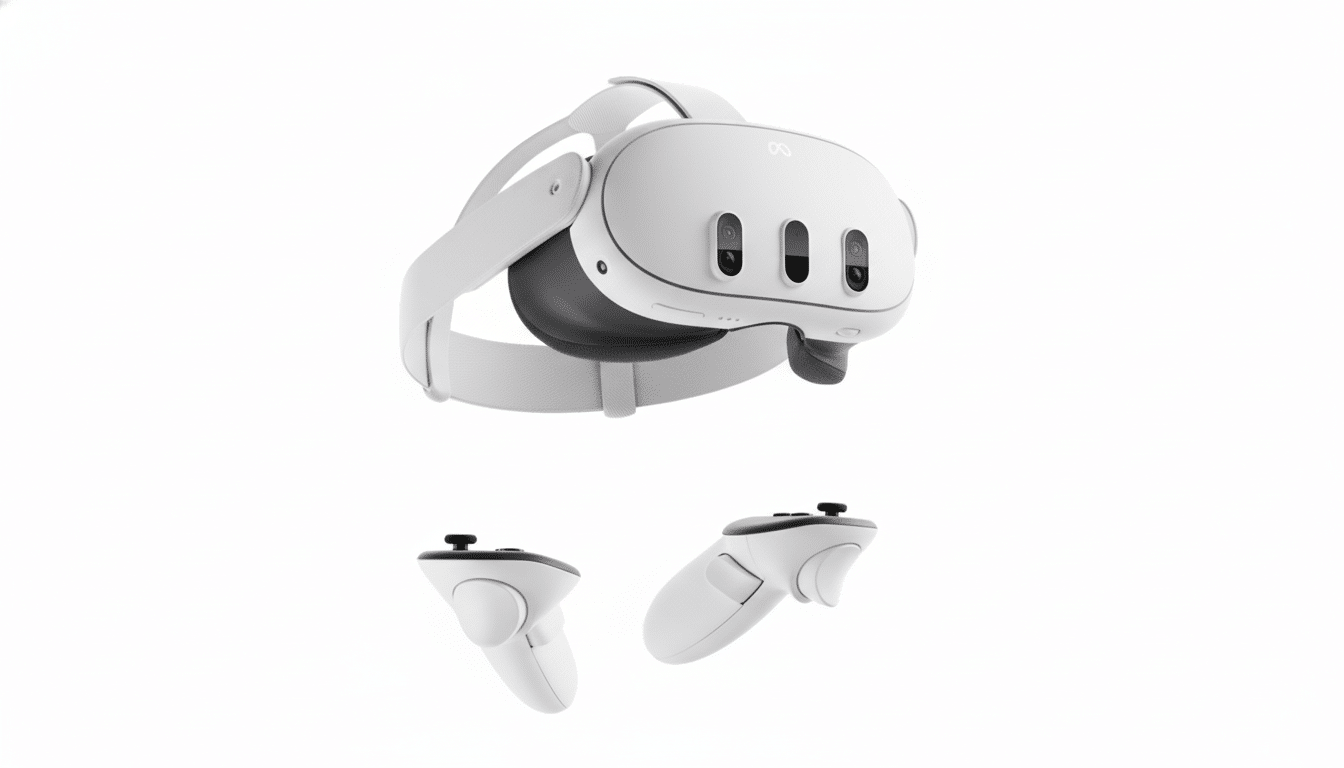
Horizon OS packages up features that have sex appeal and are nontrivial to recreate: inside-out tracking, mixed-reality passthrough vision, hand and body input, as well as higher-end hardware support for eye and face tracking.
It’s also the link between identity, safety systems, and the Quest Store. There was potential to fast-track standardization in XR by opening that stack up fully to the OEMs. By taking a step back, Meta is sending a message that timing and resources — not vision — are the problem.
A Strategic Shift to AI Wearables and Services
The hiatus jibes with Meta’s bigger shift of resources away from a focus on the metaverse to an emphasis on AI-first devices and software. The company has publicly said it is funneling investment away from metaverse projects to AI glasses and wearables, noting strong momentum for its latest internet-connected smart glasses and those assistants that live on your device. Portions of Reality Labs focused on metaverse efforts are bracing for potential budget cuts as high as 30%, Bloomberg News has reported, an indication of a tough spending calculation after years of heavy investment.
Reality Labs has spent tens of billions of dollars losing money overall, the company’s filings show, even as Quest became the biggest driver of consumer VR use. The abstract: Reprioritizing AI hardware — where Meta has generative models and a social graph to capitalize on — provides more of a near-term path to mass-market adoption than a high-end mixed-reality headset. In the meantime, making OS licensing secondary to everything else is a simplification. It’s tempting to interpret it as homeschooling for engineers, but it also means more time and focus on experiences that span phones, wearables, and lightweight cameras.
The Effect on Partners and Developers in XR
For hardware partners, the pause raises uncertainties. Asus had indicated an intent to create a gaming-forward headset, Lenovo has enterprise XR credibility from its ThinkReality line, and Xbox had been investigating how to expand the reach of its brand into spatial entertainment without needing to construct an entire OS. With licensing no longer a feasible play, those companies could pivot to more PC-tethered SteamVR setups or business-targeted offerings, patching ambitious MR hardware plans for another year when the economics might work in their favor.
Developers potentially lose the chance of a larger combined installed base across brands, but also steer clear of day-one fragmentation. Today, Quest is still the fastest path to paying VR customers with OpenXR, Meta’s Presence Platform toolkits, and a known hardware profile backing it up. A multi-OEM Horizon OS would have increased breadth but added complexity to QA and performance tuning with varying sensors, displays, and controllers. Reality in the here and now points to depth on Quest over breadth across nascent devices.
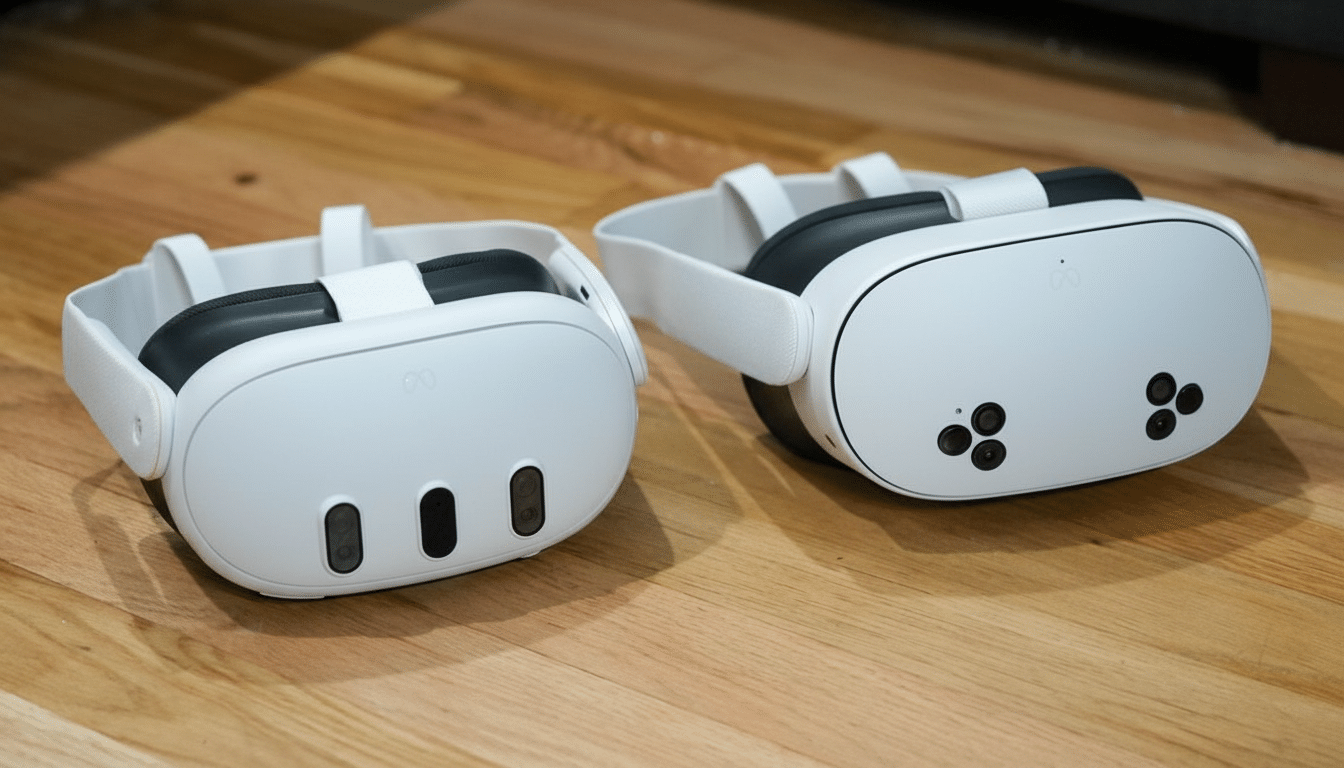
Most standalone headsets still run on Qualcomm’s Snapdragon XR2 platforms, like Meta’s most recent devices. When and if Horizon OS licensing starts up again, Qualcomm’s reference designs and sensor stacks might streamline interoperability, but developers will remain hungry for clarity on app store policies, revenue splits, and cross-device entitlement — all areas where the Android playbook provides lessons both good and bad.
The Competitive Battlefield in XR Right Now
Meta is the market leader in consumer VR by shipments, with IDC and Counterpoint Research both putting its share at above 50% recently. All told, analysts estimate the company has sold around 20 million Quest units, leaving rivals in the dust in terms of scale. But demand for XR as a whole has been erratic, swinging with price cuts and new content cycles.
Apple’s visionOS plants a stake at the high end of that stack and gains steady, cumulative revenues from each piece. HTC and Varjo both maintain closed universes. At ByteDance, Pico is focused on Asia and enterprise. Google, Samsung, and Qualcomm have announced an Android XR partnership, but we are still waiting for commercial hardware. In that environment, Meta’s pause on licensing continues to defer the advent of what would have at least been a credible cross-vendor consumer XR platform — and leaves the field divided between walled gardens and niche stacks.
What to Watch Next for Meta and Horizon OS
Key signals will be whether Meta grows Quest’s installed base with cheaper hardware, how aggressively it infuses generative AI into spatial interfaces, and whether partner devices pop back up as cost, optics, and battery constraints subside.
A Horizon OS licensing comeback would most likely center around clear developer incentives, steady reference requirements, and an app economy that could cross devices.
So for now, Meta is opting instead for focus over federation. That might disappoint OEMs who are chomping at the bit to hitch their hardware to a mature XR stack, but it may also help Meta refine how its own devices sell themselves while it continues to throw its weight behind AI-first wearables. If the market settles down and content grows, perhaps that door to a larger Horizon OS ecosystem can swing open again — knowing the land is more prepared for it.
