


Meta is serving up a worldwide pause on the international launch of its Ray-Ban Display smart glasses, saying customer demand in the U.S. has been overwhelming while inventory remains scarce. The company had been gearing up to take the device to France, Italy, Canada and the U.K. in early 2026, but is prioritizing American customers as waitlists creep into 2026 and it reevaluates timing overseas.
Why Meta Hit Pause on Ray-Ban Display International Launch
Behind the decision is a simple calculus: The glasses have outstripped supply since their arrival last fall. We cannot help but shake our heads at anyone who naively thinks that scaling a premium optical eyewear product with cameras, compute and a compact display is easier than scaling a device in an entirely different category. Industry analysts at firms including Omdia and TrendForce have repeatedly identified miniaturized display modules and other leading-edge components as being in tight supply, which can limit early production runs of next-generation wearables.
The partnership with EssilorLuxottica’s Ray-Ban brand takes it to the next level. Consumer-level optics and frame matching against CE tolerances means the assembly/quality control must be super nitpicky. Meta seems to be prioritizing customer experience and fulfillment reliability over a rapid rollout to the world at large that could leave early purchasers waiting months for delivery.
What the Ray-Ban Display Smart Glasses Offer Users
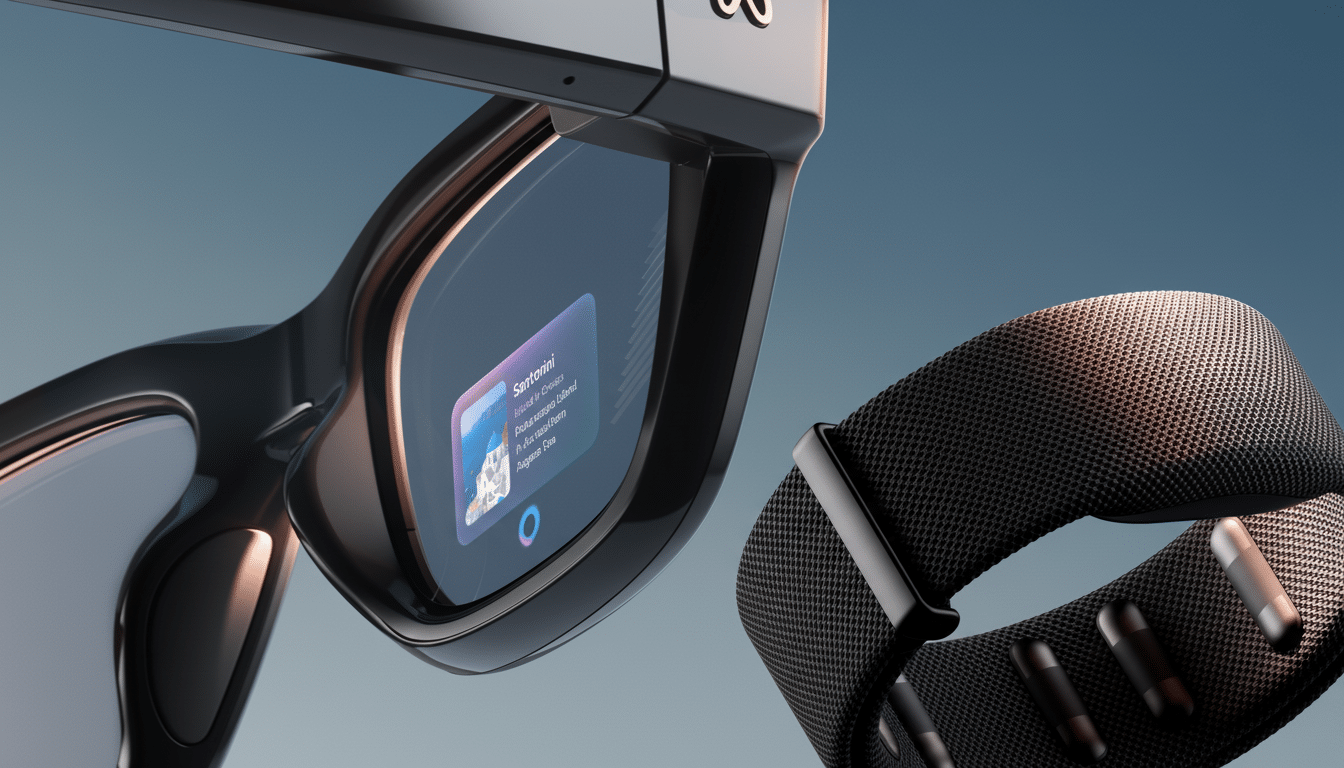
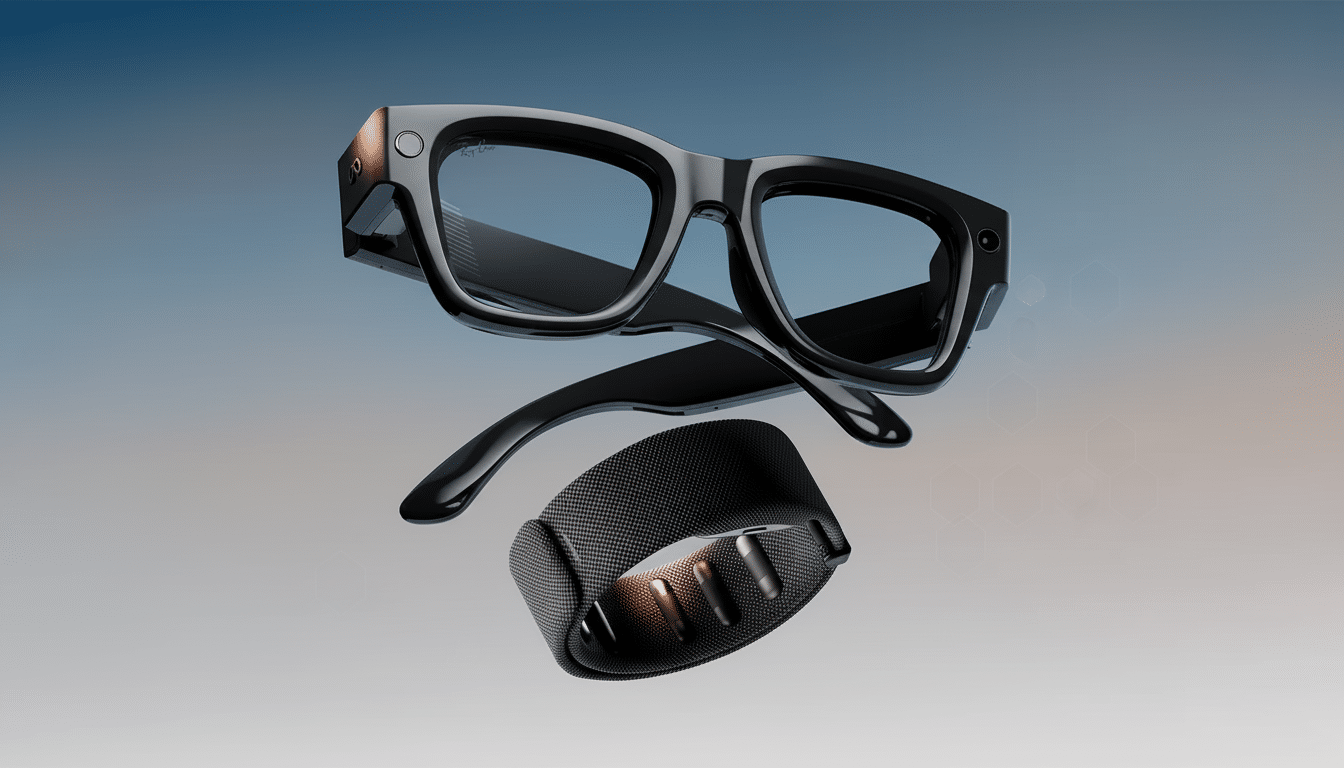
Announced in September, Ray-Ban Display represents Meta’s boldest step yet at wearable augmented computing for everyday living within a familiar frame. The distinguishing feature is the Meta Neural Band, a wrist-borne input device that captures your subtle hand and finger movements to control the glasses without drawing attention to yourself. The effort stands on the shoulders of Meta’s research into neural interfaces and its purchase of CTRL-Labs. It aspires to make input as easy as a twitch.
At CES in Las Vegas, Meta provided a software roadmap to sustain early adopters. A new teleprompter mode allows the lenses to function as a subtle prompt for reading off prepared remarks, and there is a handwriting capture feature that lets users write out letters on any surface with their finger while wearing the Neural Band, with movements transmitted into digital text. Meta also broadened walking navigation to the U.S. cities Denver, Las Vegas, Portland and Salt Lake City — evidence that the company is making slow progress in expanding on-device utility beyond cameras and voice.
Implications for International Markets and Launch Timing
The pause impacts customers in France, Italy, Canada and the U.K., who were expecting to get access in the first half of 2026.
Meta will instead focus on carrying out U.S. orders before deciding how and when it will open more markets, a move that could push initial international volumes further into the product’s lifecycle.
Outside the inventory issue, a camera-equipped, display-wearing wearable also needs to navigate through a forest of certifications and compliance activity just to get to market in Europe and the U.K. — from CE and UKCA marks under the Radio Equipment Directive to battery transport standards. It could also be that the expectations for privacy are higher. The Irish Data Protection Commission previously reviewed earlier Ray-Ban camera models, and had pushed Meta to show that indicator LEDs — which shine when the camera is turned on — effectively signaled to bystanders that a user was recording. A slower rollout might allow Meta to tweak the protections and localization for regional norms and languages.
AR Wearables in a Crowded Market and Meta’s Position
The delay highlights how challenging it is to manufacture mainstream smart glasses in large quantities. Consumer options have been few since Google Glass moved out of the consumer market and Snap’s display-furnished Spectacles were confined to creators. Meta’s former Ray-Ban Stories had some buzz but fell short in ongoing engagement, according to coverage in major business outlets in 2023. This generation seems to be coming out of the gate even hotter, but now it’s scaling to meet demand that’s the pinch point.
Competition is fluid. Amazon’s Echo Frames are audio and assistant access, not displays. Apple is taking a high-end mixed-reality headset approach; not glasses-like. If Meta can stabilize supply, it might be able to capture an early lead in a nascent category where comfort, battery life and the unobtrusiveness of input matter as much or more than raw specs.
What to Watch as Meta Rethinks Ray-Ban Display Rollout
Clear signals will be ramp timelines for production, estimated ship windows from U.S. waitlists and whether Meta goes with staggered, invite-only launches overseas.
Watch for more software updates that add value to the Neural Band, in particular those designed to reduce dependence on voice input while you’re out and about — and for movement on compliance disclosures broken down by region. If Meta can convert initial demand into consistent availability, Ray-Ban Display has a chance to be the company’s most significant hardware bridge to everyday AR.
