


Meta has delayed its follow-up mixed reality glasses, codenamed Phoenix, pushing them to 2027, and will directly work on a new Quest headset and a limited edition wearable in the near term. The shift, detailed in internal memos and first reported by Business Insider, reflects a strategic reset toward polish, reliability, and a sustainable product cadence versus rushing new hardware out the door.
Why Meta Paused Phoenix to Focus on Quality and UX
The delay was ordered by the CEO of parent company Meta, Mark Zuckerberg, and was included in an internal note from Reality Labs executive Maher Saba as part of a push to have teams focusing on “higher quality experiences” that will still be relevant in years’ time. The memo stressed that it was not a stretch-it-out lull to add features but rather a breathing space to polish fundamentals. Leaders at Reality Labs—including Gabriel Aul and Ryan Cairns—seconded that thought, mentioning strict bring-up timelines and big shifts to core user experience that take time to land without breaking compromises.
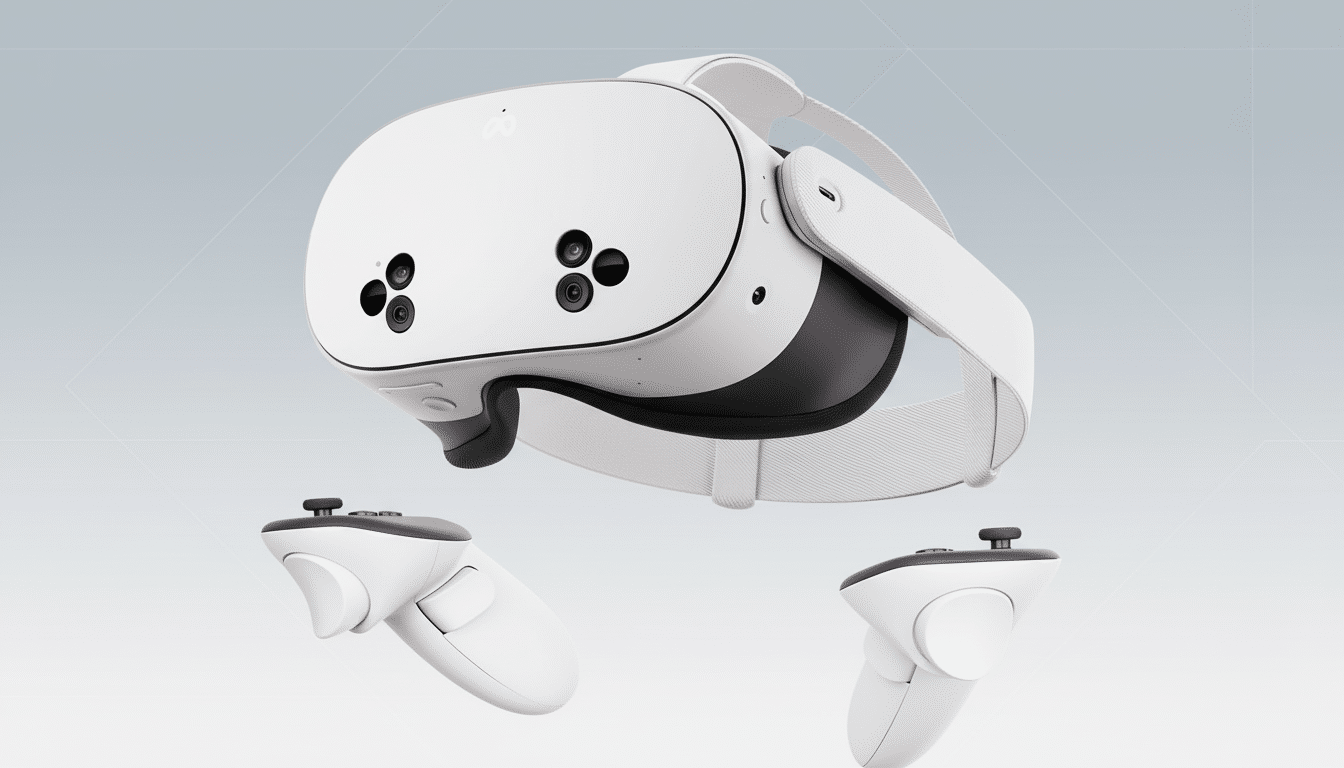
In mixed reality, UX fit and finish are not a cosmetic choice—instead, they make the difference between hand tracking feeling natural or cumbersome, passthrough being natural or disorienting, and system navigation feeling like second nature.
Pushing a flagship optical system but reworking those bedrock interactions means taking on real diversion, and Meta’s move suggests it is not going to ship Phoenix till these various particulars are dialed in.
What the Phoenix Project Is Trying to Accomplish
Insiders characterize Phoenix as a tethered, lightweight goggle form factor combined with an external computing puck to offload heat and weight from the user’s face, a design intent that veers away from fully self-contained headsets.
It is understood to be based on Horizon OS, the same foundation that Meta has used for its Quest lineup, which has potential to allow developers quick extensions of current VR titles and MR apps for something in a more glasses-like form factor without starting from scratch.
The split-compute isn’t new—Apple went hybrid with an external power pack for Vision Pro, remember—but the all-important devil is in the details of execution. With less of that front-heavy mass, Meta can pursue comfort and longer wearability sessions—both key to productivity and social use cases that stretch beyond short gaming bursts.
Timeline for Meta’s New Plan and Interim Hardware
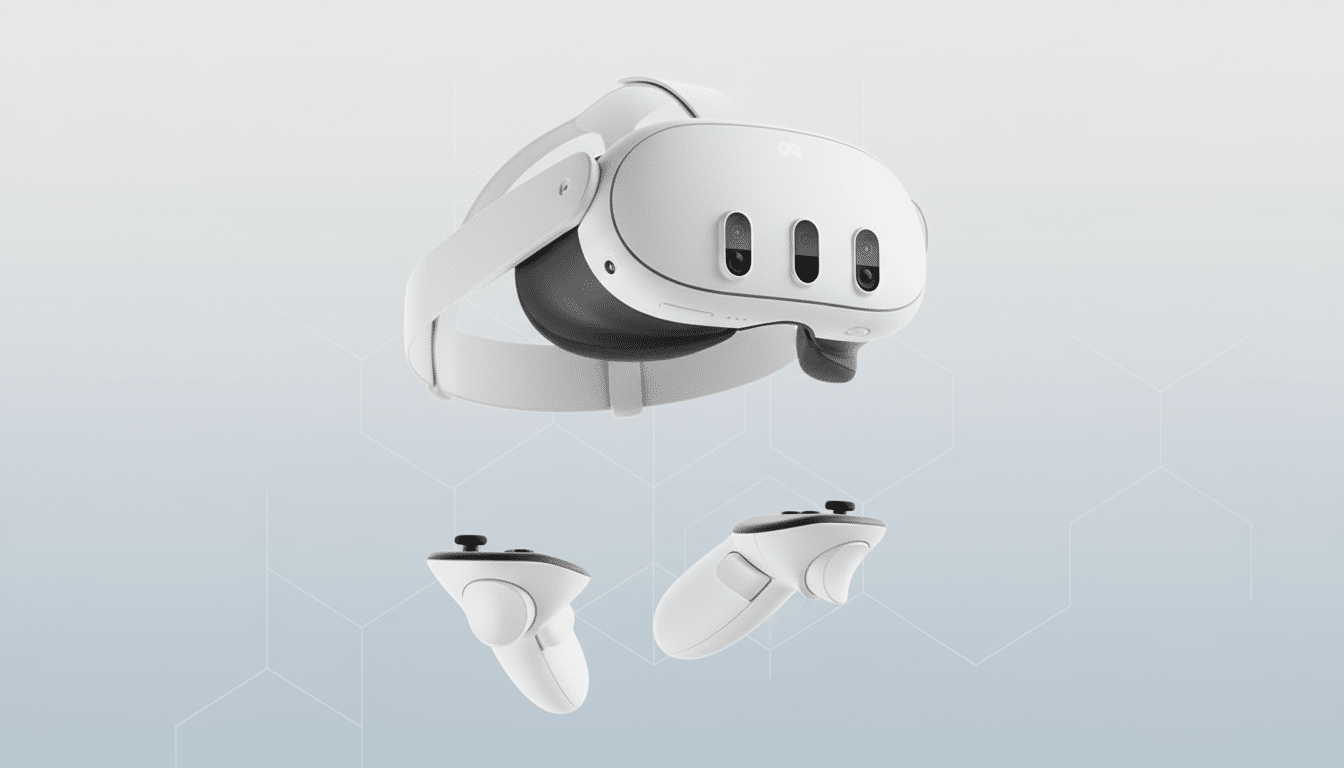
With Phoenix delayed to 2027, Meta is directing resources toward a 2026 “limited edition” wearable, known internally as Malibu 2, and a new Quest. The internal guidance calls for a major leap forward in capabilities focused on immersive gaming, where Meta already has the best catalog and relationships with developers.
This staggered path also allows Meta to maintain momentum in its ecosystem—new Quest hardware for mass-market adoption and an experimental wearable to test the waters on next-gen ergonomics and sensor tech—while Phoenix bakes. It also prevents launching them on top of each other, which could dilute marketing and splinter developer attention.
Competitive Stakes in Mixed Reality and Market Context
The delay hits a market that is still trying to find its breakout moment. Apple’s Vision Pro set high standards for optics and interface, but industry trackers like Counterpoint Research are forecasting first-year volumes in the low six figures, underscoring how early in the adoption process spatial computing is. Multiple times, IDC has been calling for a return to AR and VR shipments during new device cycles, with Meta enjoying the biggest portion of VR unit sales based on Quest’s price-to-capability ratio.
Context is also important when it comes to money. Meta’s Reality Labs unit has incurred multibillion-dollar operating losses in each of the past several years, with more than $16 billion in 2023 alone, company filings show. A measured Phoenix schedule enables Meta to capitalize on its installed base, squeeze more value out of Horizon OS and available content, and minimize the risk of a costly misfire on bleeding-edge hardware.
Implications for Developers and Buyers of Meta’s Delay
A delayed Phoenix release might be a net win for developers. A consistent Horizon OS roadmap between Quest and future glasses results in fewer platform resets, clearer SDK priorities, and the opportunity to spend more time polishing mixed reality features such as scene understanding, depth occlusion, and hand-first interactions. I’d imagine Meta will court studios with tooling and funding targeting MR-first gameplay and productivity.
For consumers, the message is wait on Phoenix and watch for Quest. And a gaming-first next-gen Quest would likely offer real improvements on the things that matter most, like improved optics, higher compute ceilings, smarter passthrough, and controller- or hand-tracking gains at price points below other upper-tier headsets. The limited edition strap that is scheduled for 2026 will be one to watch as an indicator of Phoenix’s ergonomics and sensor stack, but may not be aimed at the mainstream buyer.
The bar Phoenix needs to pass is high: a comfortable all-day fit, clear mixed reality visuals, battery life that can keep going untethered—and a situation where there’s an app you must have for smart glasses.
The fact that Meta has slowed down is an admission of the fact that you’re actually quite right: those things are all interconnected, and shipping too quickly will only end up burning users and developers alike.
The upshot: Meta is trading velocity for execution. And if Quest cements its lead and 2026’s wearable checks off the boxes for some of our key design bets, perhaps a Phoenix in 2027 with much improved UX and content could come onto the scene not as an experiment but as a credible venture into mainstream mixed reality.
