


Meta is introducing a conversation-focused audio feature to its AI-powered smart glasses, which it says will allow you to hear speech more clearly in noisy settings without anything plugging your ears. The update, available initially for Ray-Ban Meta and Oakley Meta HSTN in the United States and Canada, boosts the sound of whoever is standing in front of you through the glasses’ open-ear speakers and allows you to adjust the level of enhancement with a swipe on the right temple or inside settings.
How Conversation Focus Works on Meta AI Glasses
The glasses utilize their microphone array and on-device AI to create a zone where it can isolate the speaker, elevate that person’s voice over the ambient cacophony of those around you, and send an enhanced signal inbound to open-ear speakers aimed at your ears. Your ears aren’t entirely sealed off, so you can pay attention to environmental cues on a busy street while nudging a specific voice to the foreground. (There is still debate among listeners over whether this feature could be useful or distracting.) That’s not something I could test in my brief time with a nearly completed prototype, but early demos suggest you can turn the effect up or down with a quick swipe of your thumb, shaping it to fit anything from the ambient buzz of a café to the rumble of a subway car or an airport gate announcement.
- How Conversation Focus Works on Meta AI Glasses
- Why It Matters in Real-World Noise and Daily Life
- How It Compares With Other Listening Options
- Spotify Visual Match Adds a Fun Time Spin
- Availability and Rollout for the U.S., Canada, and More
- Privacy and Safety Considerations for Smart Glasses
- What to Look for in Testing Conversation Focus Features
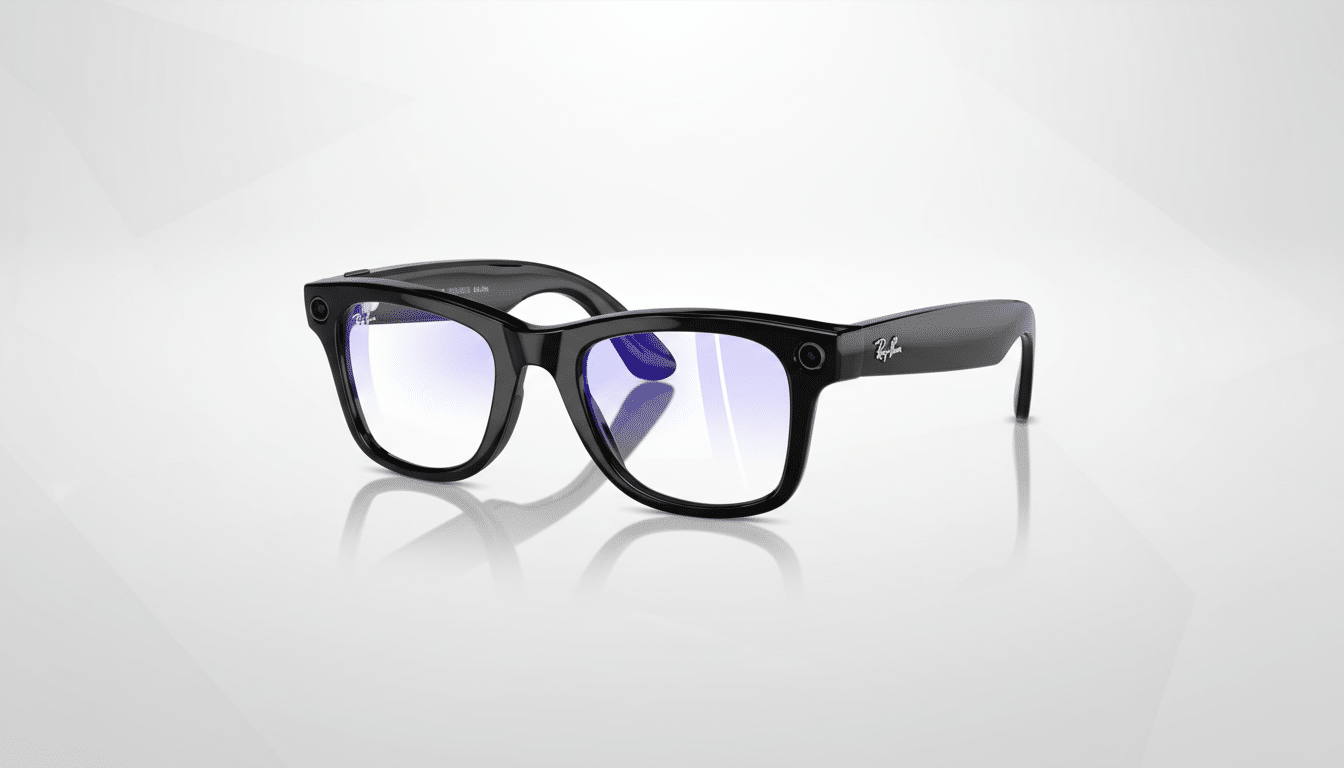
From a technical standpoint, this type of enhancement relies on techniques for manipulating audio in real time — including beamforming and speech source separation, the same families of algorithms used in high-end earbuds and conferencing systems to enhance signal-to-noise ratio. The distinction here is form factor: microphones stationed at the temple are closer to your conversational partner at mouth level than, say, a phone in your pocket while you’re cooking or a laptop on a table.
Why It Matters in Real-World Noise and Daily Life
Restaurants typically range from 70–80 dB, according to industrial and environmental sources, and the National Institute for Occupational Safety and Health puts 85 dB as the threshold where unaddressed long-term exposure can pose a significant threat. In such circumstances, even individuals with normal hearing have trouble understanding speech. The details matter: Audiologists say small boosts in SNR can have a large impact on what’s heard — think of it as shining a tiny “spotlight” onto the nearby voice.
According to the World Health Organization, financially crippling hearing loss affects some 430 million people today — a number it expects will increase significantly by mid-century. Meta’s glasses are not medical devices, though, and “conversation focus” is part of a wider trend of consumer “hearables” providing situational assistance for people who don’t yet use hearing aids — or who want occasional support without investing in prescription hardware.
How It Compares With Other Listening Options
Apple’s AirPods lineup already includes Conversation Boost and related modes for accessibility, and qualifying models can offer hearing aid–style features under some circumstances. Meta’s approach differs slightly in two ways: the open-ear design prevents occlusion and ear fatigue, while its glasses’ microphone placement can prioritize face-to-face conversation over room echo pickup. The payoff is less privacy because open speakers allow some sound to escape, which means bystanders may hear what you’re hearing, albeit faintly and assuming you crank the volume in a quiet room.
If Meta can keep latency short and prevent the “robotic” artifacts that dog speech enhancement at times, glasses could emerge as a daily alternative to popping in earbuds for brief social conversation, a hands-free assist that doesn’t detach you from a conversation.
Spotify Visual Match Adds a Fun Time Spin
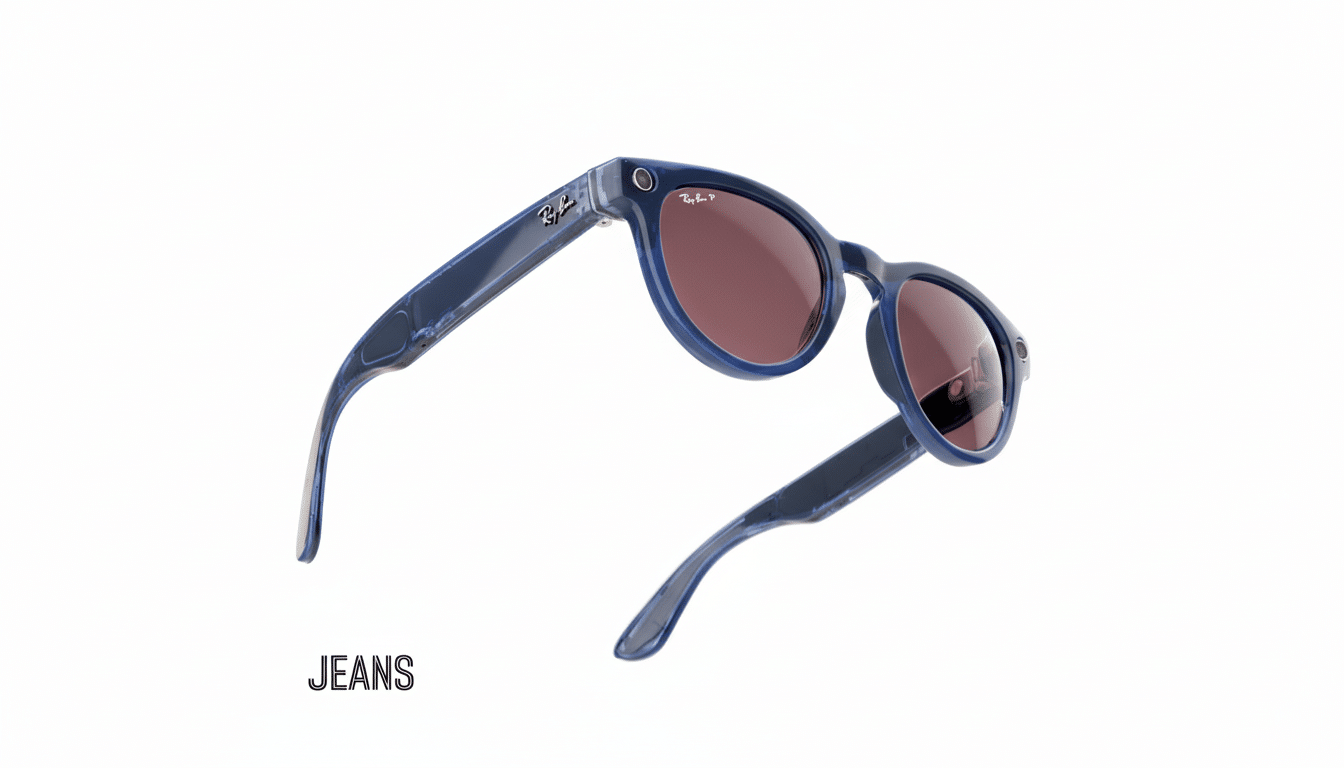
Together with the hearing upgrade, Meta is also pitching a Spotify integration, which plays music that corresponds to what you are watching. Look at an album cover and the glasses can cue up that artist, zero in on a festive scene and they might pull up holiday tracks. It’s a fun feature, but it does demonstrate where multimodal AI is heading — tying what you see to actions in your apps with as little friction as possible.
Availability and Rollout for the U.S., Canada, and More
Conversation focus is launching on Ray-Ban Meta and Oakley Meta HSTN smart glasses in the U.S. and Canada. The Spotify feature is launching in English to a broader range of markets, including the U.S., U.K., Canada, Australia, India, and much of Western Europe, as well as Mexico, Brazil, and the United Arab Emirates.
The update arrives as software version 21 and is rolling out first to users in Meta’s Early Access Program, which involves joining a waitlist and being approved. A wider release is coming next, as Meta usually rolls out new features gradually to see how they perform and what people think of them.
Privacy and Safety Considerations for Smart Glasses
Any technology that analyzes conversation audio inevitably poses questions. What portion of it is processed on the device and what part is processed in the cloud? What data is stored, if any? Are onlookers aware when microphones are hot? Meta’s recent hardware includes recording indicators and voice controls, but transparency and clear user controls will be key for trust — especially if people are going to start leaning on glasses for aid in sensitive spaces like classrooms or clinics.
What to Look for in Testing Conversation Focus Features
Real-world performance will depend on three factors: speech clarity in noisy environments, latency (does the voice feel synced up), and battery life. Check out reviews in noisy cafés and coffee shops, on trains, and at music events where even lots of systems have trouble. If Meta can do the latter two while delivering consistent gains with little lag and minimal battery drain, conversation focus could help make smart glasses feel less like a gadget — and more like part of your daily posse to hear well in the sort of messy places most people actually live.
