


Your fitness band just got a clinical side. Whoop has recently launched Advanced Labs, a feature that enables members to schedule blood tests through the app, have results synced into their account, and receive clinician-reviewed insights that feed into Whoop’s daily coaching.
What Advanced Labs Does Inside the Whoop Platform
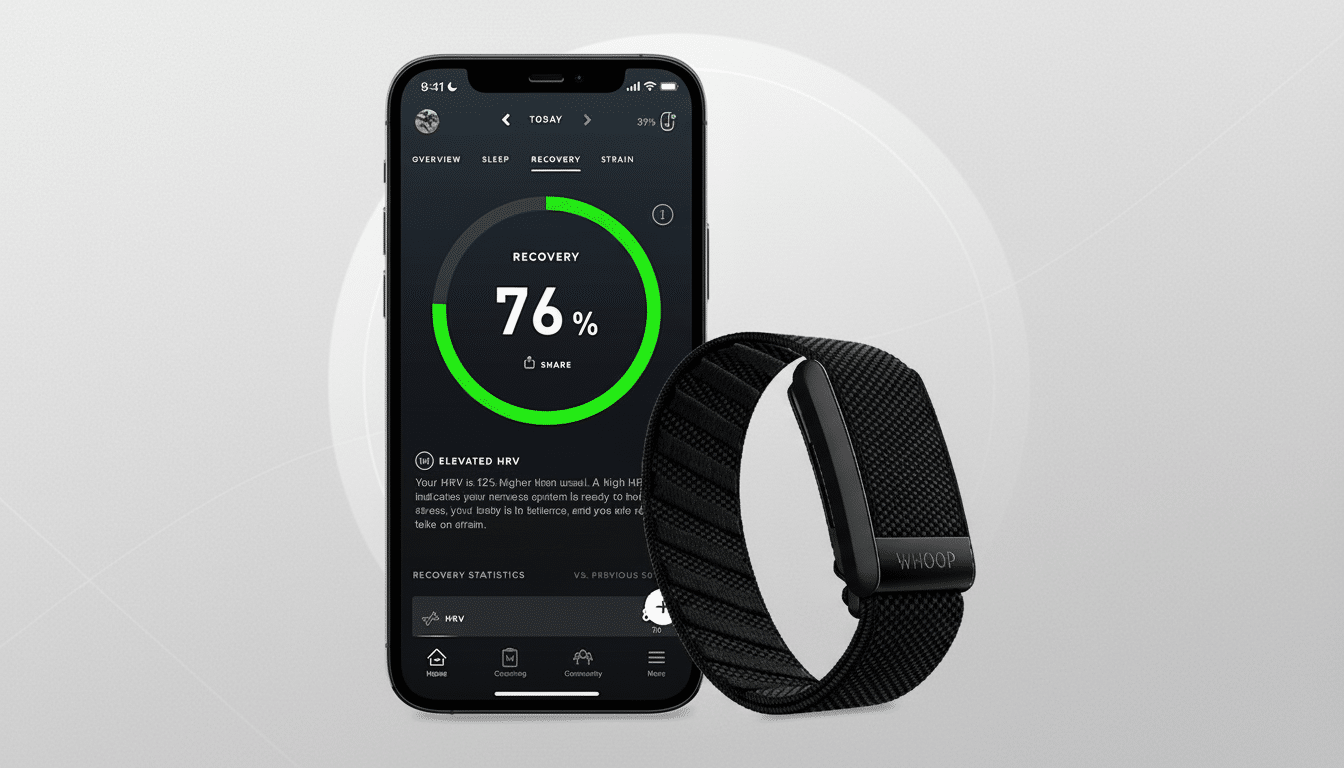
Advanced Labs consolidates two streams of data: continuous metrics from the strap (sleep, strain, recovery) and periodic blood biomarkers ordered through the app.

Members can also upload historical labs to see trends over time, and then schedule new draws through Whoop’s partner network at Quest Diagnostics sites. Before you see them in the app, results are ordered and reviewed by a licensed healthcare provider.
The aim is to link behavior and physiology more precisely. The goal is to see all the relevant biomarkers—one for every area of overall health. For a Whoop member, rather than guesswork about a new training block, supplements, or a dietary shift, seeing those markers trend in line with recovery scores and sleep performance can help.
How the Advanced Labs Testing Process Works
From the app, users select a panel, schedule a Quest Diagnostics appointment, and complete intake.
A clinician reviews the results and provides a plain-language interpretation after the draw. Most basic tests turn around in a matter of days, not weeks, with those results feeding directly into the Whoop app and powering recommendations within coaching modules.
It’s not a substitute for primary care or for diagnosing disease. It is, instead, a structured feedback loop:
- Spot a signal
- Make a change
- Retest
For instance, when ferritin is low—a common cap on an endurance athlete’s otherwise high-flying performance—guidance from Whoop can recommend adjusting training load and nutrition while also monitoring how recovery and sleep change as iron stores move back into range.
The laboratory work is processed through CLIA-certified facilities at Quest Diagnostics, one of the largest health diagnostics networks in the U.S., and tests are ordered and reviewed by licensed providers following standard clinical practice.
Pricing and availability for Whoop Advanced Labs
Whoop is introducing Advanced Labs in the U.S. first, with broader availability on the way. The tests are priced at $199 for one test a year, $349 for two, and $599 for four, with extra tests available at a discount. More than 350,000 members added their names to the waitlist after the feature was previewed, according to the company.
Why combining blood tests and wearables could work
Longitudinal linkage of wearable data to periodic lab markers makes strong scientific sense. Stanford Medicine scientists found that adding signals from passive sensors along with molecular and lab test data can better predict pre-disease physiological changes and personalize interventions sooner. For the average person, that might mean spotting trends—higher fasting glucose or stubborn inflammation—before they turn into symptoms or setbacks.
And the public health case is powerful. The Centers for Disease Control and Prevention estimates that tens of millions of adult Americans have prediabetes, many unknowingly—and the American College of Cardiology still flags cholesterol management as a cornerstone of cardiovascular risk reduction. Consistent panels with coaching may prompt adherence to sleep, training, and nutrition behaviors that move those numbers in the right direction.
How Whoop Advanced Labs compares with competitors
Direct-to-consumer lab services are not a new concept. Companies such as InsideTracker, Everlywell, and Function Health helped pave the way for subscription testing. What’s new here is native integration with a wearable that already estimates sleep need and daily strain. Rather than emailing a PDF to a coach, Advanced Labs populates the interpretation within the same interface in which you set your recovery targets and workout intensity.
What to consider before signing up for Advanced Labs
Members should look into consent, how data are handled, and any sharing of results between Whoop, the ordering provider, and the lab. Like any cash-pay service, check and compare out-of-pocket costs, what each panel entails, and whether the retesting cadence aligns with your goals. For medical issues or if something unusual is discovered, you still need to work with your primary care provider.
With Advanced Labs, Whoop is framing itself less as a fitness accessory than a health operating layer—one that uses blood biomarkers to inform day-to-day decisions around sleep, training, and recovery. If the hardware lives up to the ambition, this could be where wearables go from measuring to meaning.
