


Fintech firm Marquis is attributing its recent data breach to a compromise at firewall provider SonicWall, saying stolen firewall backups from the vendor’s cloud service allowed attackers to sidestep its defenses. The company told customers it is weighing options to recover costs tied to incident response, credit monitoring, and other fallout.
According to Marquis, a third-party forensic review concluded that threat actors obtained details of Marquis’ firewall configuration and credentials from SonicWall’s cloud backups, then used that intelligence to breach Marquis’ network. Marquis confirmed it had stored a backup of its firewall configuration in SonicWall’s cloud environment.
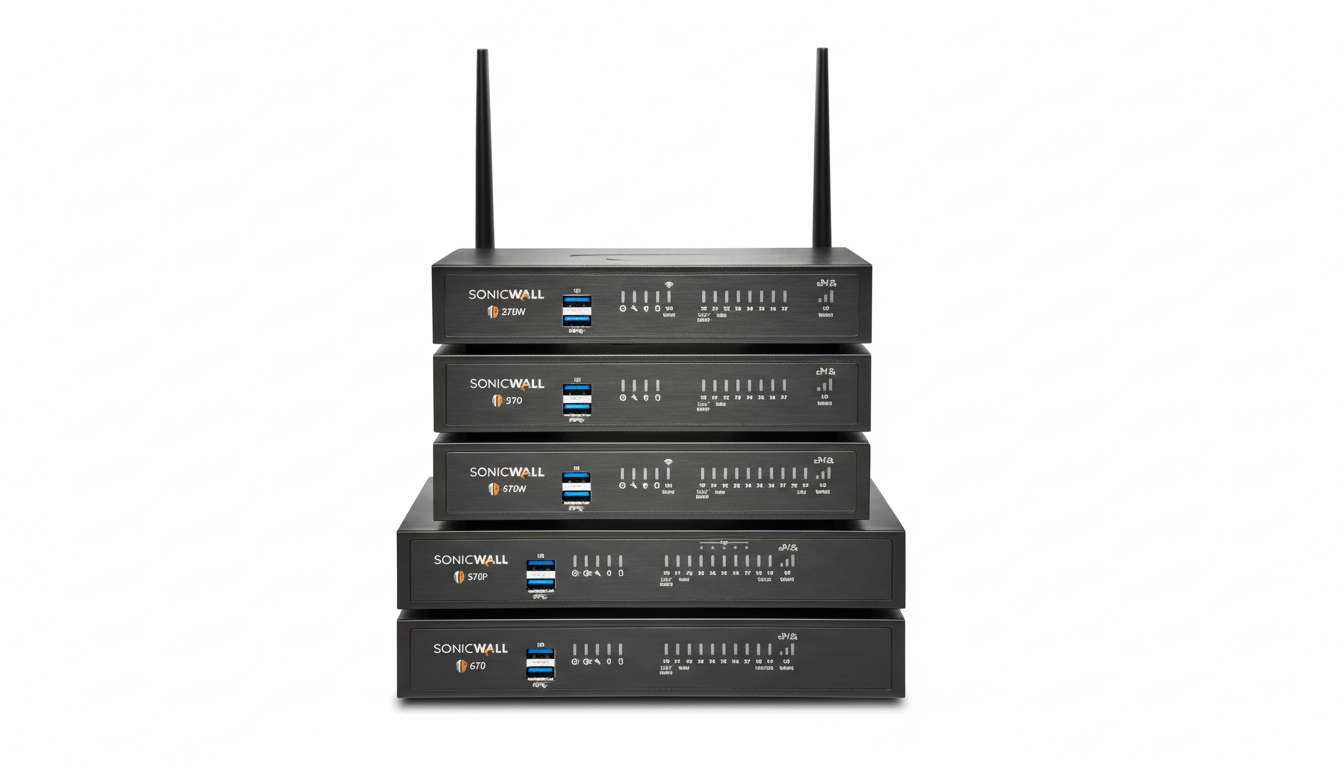
SonicWall previously acknowledged that configuration data and credentials for customers using its cloud backup service were accessed by a threat actor after initially suggesting the impact was limited. A SonicWall spokesperson, identified as Fitzgerald, has said the company has no new evidence linking its incident to broader ransomware campaigns against perimeter devices.
How Firewall Backups Become Breach Enablers
Firewall configuration files are blueprints of a network’s perimeter. They commonly include access control rules, address objects and NAT mappings, VPN profiles, administrative settings, and sometimes credentials or certificates used for device management and tunneling. In the wrong hands, that information compresses an attacker’s reconnaissance timeline from weeks to hours.
Armed with these backups, an intruder can identify exposed services, reproduce allow-lists, craft lookalike tunnels, or authenticate directly if credentials were included. Even when passwords are hashed, ancillary data—like API tokens, VPN pre-shared keys, or certificate chains—can provide viable pathways. Security agencies such as CISA have repeatedly warned that criminal groups target edge devices and their management planes precisely because a single foothold can open the door to enterprise data.
The Marquis case underscores a broader weakness: convenience features such as vendor-hosted backups help with disaster recovery but expand the blast radius if that cloud repository is compromised. Separating storage of configs from credentials, encrypting backups with keys not held by the vendor, and minimizing secrets embedded in device exports are now table-stakes mitigations.
Why This Breach Matters For Financial Institutions
Marquis provides data analytics and marketing tools to hundreds of banks and credit unions, which means it touches large volumes of consumer financial records. The company has begun notifying affected individuals that personal and financial information, including Social Security numbers for some, was accessed during the intrusion. The total count remains undisclosed and is likely to grow as filings are made with state attorneys general.
Financial institutions operate under strict data protection regimes, and vendor incidents can quickly become shared crises. The FFIEC’s guidance on third-party risk, as well as Gramm-Leach-Bliley Act safeguards, makes clear that banks retain oversight obligations for service providers that handle customer information. When a supplier’s failure exposes regulated data, the costs—reissuance of cards, fraud monitoring, legal and regulatory scrutiny—cascade across the ecosystem.
Industry studies, including the Verizon Data Breach Investigations Report, have consistently found that ransomware and extortion drive a significant share of disclosures in financial services, and that third-party compromises are a recurrent root cause. While exact figures vary by study, the direction of travel is unmistakable: supply-chain exposure magnifies breach impact.
Liability Questions And The SonicWall Dispute
Marquis says it is evaluating recoupment of expenses from its firewall provider, a signal that contract indemnity and negligence claims may follow. Much will hinge on specifics: what SonicWall warranted about its cloud backup service; whether multi-factor authentication, key management, and tenant isolation controls were in place; and how quickly credentials and certificates were rotated after the compromise became known.
For financial institutions that rely on Marquis, a parallel set of questions looms. Did the vendor segregate bank data, enforce least-privilege access, and maintain offline or immutable backups? Were management interfaces exposed to the internet, and were administrative credentials reused across environments? Answers will determine not only customer notification scope but also regulatory posture and potential enforcement.
The situation echoes other security episodes in which weaknesses in edge appliances or vendor-managed services became the initial ingress. One widely reported case involved a security appliance maker advising customers to replace affected devices after a remote exploitation campaign, highlighting how hardware and firmware supply chains can extend risk beyond the data center.
What To Watch Next As Investigations Unfold
Expect deeper forensics to clarify whether the SonicWall backup theft was the definitive cause of the Marquis breach or one of several contributing factors. Watch for litigation, revised contracts that tighten cloud backup controls, and regulatory inquiries focused on vendor oversight. In the near term, customers will want assurances that firewall policies, VPN secrets, and certificates have been rotated, management planes isolated, and logs independently reviewed for follow-on activity.
Regardless of where legal responsibility lands, the lesson is clear: cloud-hosted device backups demand the same rigor applied to production data. For organizations handling finance-grade records, that means encrypting at rest with customer-held keys, minimizing embedded credentials, and treating perimeter configuration as sensitive data rather than administrative convenience.
