


By: Prime Inspiration
Snap-on magnetic phone controllers are changing mobile gaming, and the change is not going away. Years after bulky telescopic grips, fiddly clamps and their long list of compromises entered the mobile gaming scene (not to mention left tattered relationships with game consoles), pocketable, magnet-based pads return console-style controls to your phone without baggage. It’s hard to conceive of life without the convenience once you’re living with it.

How Magnets Are Changing Mobile Gaming For Everyday Play
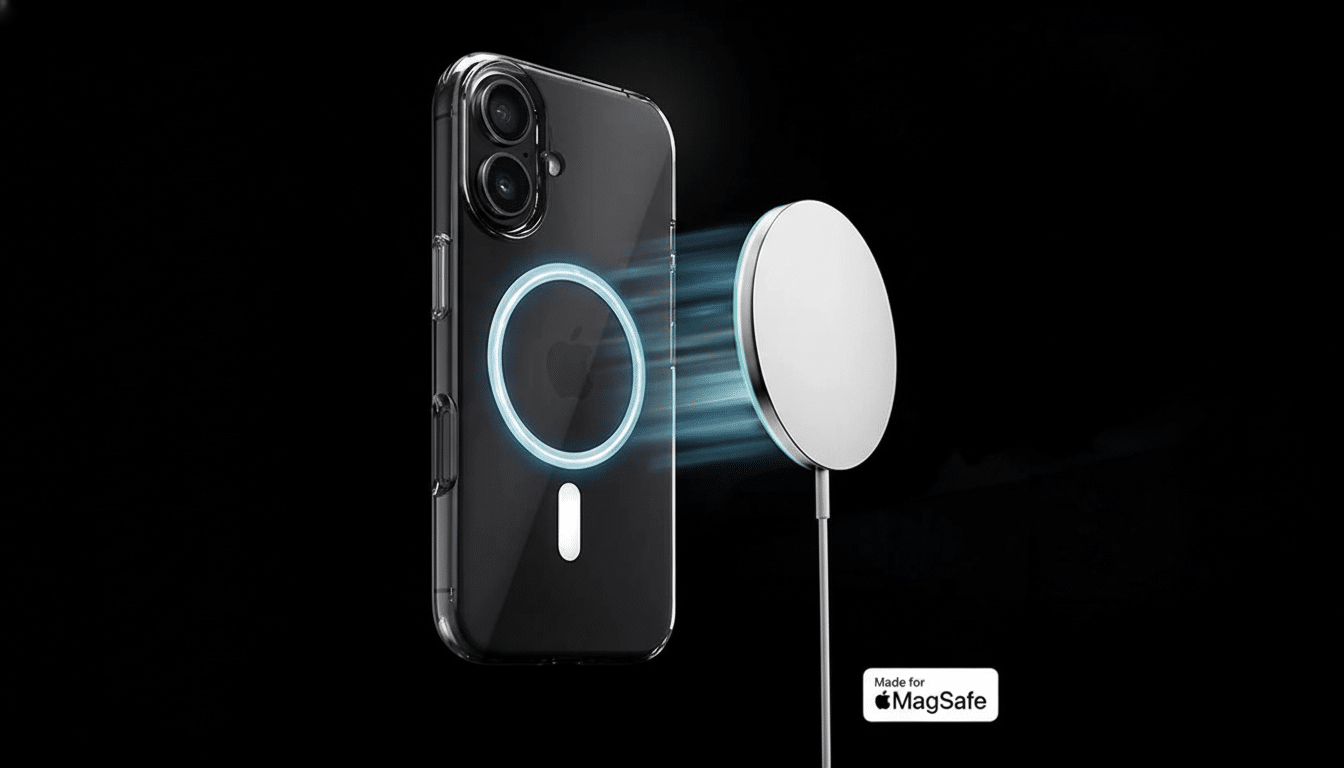
Magnetic attachment eliminates two factors that prevented phone controllers from being carried around every day: size and setup time. The controllers, borrowing from MagSafe and the Qi2 Magnetic Power Profile, snap on in a second, center themselves and disappear into a pocket when you’re done. No clamps, no plastic rails, no hunting around for spacers.
Ergonomics benefit too. Since the phone is mounted on a stiff magnetic plate or ring, designers are able to shrink the controller — even slipping it into a sliding mechanism — and then remove it for tabletop play. Weight distribution can get top-heavy with larger devices, but for those short bus or train sessions, the trade-off is worth it.
Latency is a fair question. Wired telescopic grips can save you a few milliseconds, but modern Bluetooth controllers are reliably achieving end-to-end input latencies in the 20-30ms range, which is technically excellent for platformers, roguelikes and indeed most cloud services. Serious fast-twitch shooters are still going to win with dedicated handhelds or wired options — but most people don’t play on the go that way.
Two Models That Make the Case for Magnetic Controllers
At one extremity is the diminutive Abxylute M4. It’s a little less than earbud-case small, and it has a magnetic ring that clamps your phone in place with two buttons the size of those on controllers designed for retro games or indies. The trade-off is compact sliders instead of full-height sticks, but the payoff is unparalleled portability. Its crowdfunding amounted to over $250,000, suggesting there’s real demand for a pocket-first controller.
At the other end is the MCON, a high-end Bluetooth pad that opens up like a modern-day riff on the PSP Go. A magnetic plate pairs with proper, inset analog sticks and a solid chassis that feels more like a battery pack (and less like a gamepad) in your pocket. It’s also removable for tabletop play. At about $150, it is more expensive than minimalist options and equals higher-end telescopics like the $170 Backbone Pro in feel — and fits in more bags.
Telescopic Controllers Are on the Decline
Telescopics were the first great leap — slide in your phone, get pseudo-Switch ergonomics, play. But modern H-shaped designs don’t pack down small, and once your backpack has been stuffed with real-world necessities, they tend to be the first accessory that’s left at home. The best controller is the one you have with you.
Wired USB-C grips hold onto a latency advantage and are perfect for couch play, emulation or marathon cloud sessions. But dedicated handhelds have since gone on to own that space. For on-the-go micro-sessions — 10 minutes here while waiting for something, two subway stops between errands there — magnets win for setup that has no friction and fits in your pocket.
Standards and Ecosystem Tailwinds for Magnetic Pads
Apple put magnetic accessories on the map with MagSafe, and the Wireless Power Consortium’s Qi2 standard is poised to introduce that same alignment ring across a wide range of smartphones. With the standard rolling out to new Android flagships, magnets are going from selling point to hygiene factor, inviting a new class of accessories — cases, stands, batteries and now even gamepads — that work across brands.
The timing is ideal. Mobile is market size: Newzoo reports that 48-50% of global game revenue now comes from mobile, a large number of convenience-minded consumers. IDC and other analysts report steady increases in mobile accessories, and controller makers see the opening; anticipate fast iteration here on magnetic pads with features like Hall-effect sticks, pass-through charging, low-latency modes and modular grips to customize your grip.
What to Watch Next in Magnetic Phone Controllers
Veteran brands such as GameSir, 8BitDo and Razer should step up to fill the gap between ultra-compact and premium sliders. Mid-size models with full-size sticks, better balance and smart folding plates are the obvious next step. And because magnets allow for instant tabletop mode, you can bet on designs that double as mini-docks bound to cloud gaming.
Right now, if you’re in the market, I’d focus on:
- Strong magnetic alignment (Qi2 support is a boon)
- Comfortable sticks and triggers
- Reliable Bluetooth
- Something that’s pocket-friendly rather than using all of your pockets
- Extra credit if they include a detachable stand or can pair with other devices
Bottom line: Magnetic phone controllers bridge the gap between hardware and real-world action. They’re compact enough to carry, fast enough to matter and adaptable enough to be played anywhere. Once you’ve lived with them, returning to clamps and rails doesn’t even make sense — which is why magnets are the future.
