


Image From left to right, Robin (Ryan, played by Sabrina Jalees), Maddie (John Early), Lutz (Andrew Hankinson) and Thayer (Vicky Pepper) in the mumblecore comedy “Maddie’s Secret.”John Early’s feature debut, “Maddie’s Secret,” is a gleefully precise riff on ’90s TV melodramas that’s not above its heroine.
Debuting in the Toronto International Film Festival in the Discovery section, the film weds candy-coated parody with heart: an atypically warm mix circumstance that alights on its jokes without bursting the character at the center.
Camp with empathy, not disdain
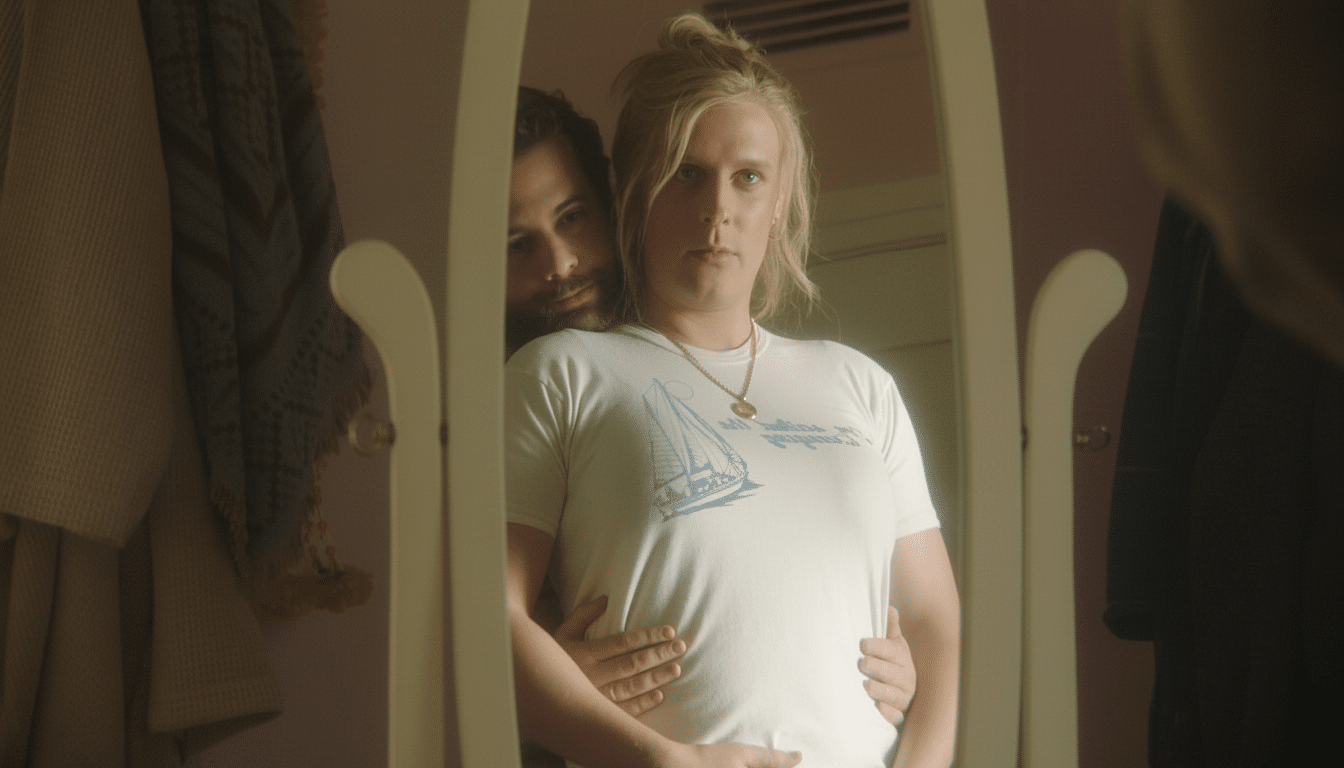
Early, who co-writes, directs and stars as Maddie Ralph, company lackey and would-be chef in her 30s whose lifetime of people-pleasing clashes with the ruthless metrics of contemporary food media. The movie features all the signifiers of the era it’s sending up — earnest speeches, portentous music cues, villains who are announced at the doorway — but it is deploying them fondly. The goal here is the form’s excesses, not Maddie’s pain.
That warmth is crucial. Parodies of such Lifetime-style dramas usually Gothicize their heroines into punch lines. Maddie’s Secret, instead, pays homage to the genre’s emotional honesty, using it to examine self-image and addiction while still making it okay to have a blast at camp. It’s more in the spirit of the affectionately straight-faced A Deadly Adoption than wink-heavy spoof.
A shape-shifting star turn
Early’s performance is the film’s North Star — unshowy, specific and deeply humane. He isn’t playing “drag” as much as adjusting the character he’s had to play to stay alive so that she is more malleably soft, agreeable and impossibly “good.” The joke is never womanhood; the joke is how society rewards a certain performance of it until the mask hardens into a face.
As Maddie’s culinary channel clout grows, the algorithmic polish starts to eat away at her. The movie follows her descent into the habits of disordered eating with clear eyes, gently revealing how perfection culture poses as care. That theme feels like it’s ripped from our feeds: Reports from the Center for Countering Digital Hate and advisories from the U.S. Surgeon General have linked social platforms to increased body-image stress, especially for younger users. In situating Maddie’s plight within a kitchen-satisfied ecosystem, the film roots its camp in a relatable pressure cooker.
An ensemble that crackles
Kate Berlant, Early’s longtime co-conspirator, is Maddie’s fiercely devoted best friend with deadpan bravado and a sly payoff to her over-the-top flirtations. Claudia O’Doherty is a scalpel-sharp nemesis as the studio’s resident star, all brittle smiles and crocodile compliments; Conner O’Malley licks his chops in playing the grubby producer archetype.
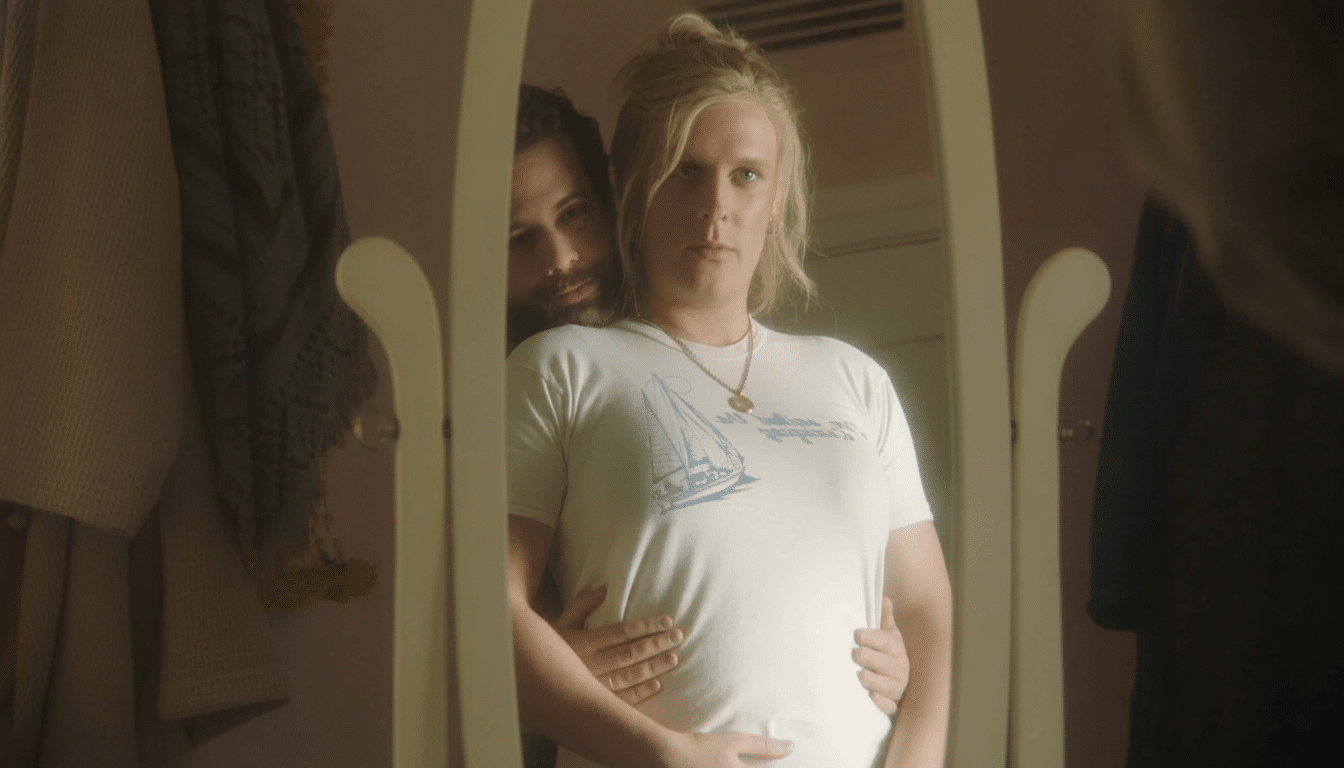
Back home, Eric Rahill turns in an unassumingly warm performance as Maddie’s husband—the uncommon comedy spouse who is not ignorant or a scold.
And then there are the treatment tangents — in which Vanessa Bayer breaks out as a bright, heartbreakingly naïve roommate who is crushing hard on a sweet nurse (Pat Regan), a romance doomed to be cut down before it can bloom. Finishing the rehab chorus are a threesome of chaos agents (Ruby McCollister, Emily Allan, and Leah Hennessy) who summon the bad girls with great lines vibe of these old cable dramas without crossing the line to cruelty.
Tone shaping is veteran gradeThe first thing you notice about a Signalman is the frequency response, but beyond that are some very useful tone controls
The trick with this material is balance, and Early has it. He modulates performances across registers, some stiff by design, some gloriously big, so that the movie feels at once an artifact of the very era it’s satirizing, and a modern character study. Comedy blossoms as much from behavior and structure — and often times the lack of it — as from set punchlines, which in turn allows the dramatic notes to have breathing room.
That confidence did not come out of nowhere. Early’s genre fluidity in Search Party, he and Berlant’s celebrated special, Would It Kill You to Laugh? —honored by the Peabody Awards — predicted a knack for grounding left-field forms that feel lived in. Here, as a first-time feature director, he makes a case for his ability to shepherd a full narrative without losing his taste for mischievousness.
Why this satire works now
We’re in a moment that adores Camp with a capital C but often uses it as an accessory. Maddie’s Secret knows that camp is also a survival maneuver — an option for people, marginalized or anxious, to name a feeling too slippery for realism. In respecting Maddie’s vulnerability, the film allows for both catharsis and cackle. It’s a joke with a pulse.
Verdict
Maddie’s Secret is a rarity: a spoof that gives a shit. John Early turns in a star performance and a sure-handed debut, all backed up by a cast who knows exactly how far to push and when to dial things back. It’s silly, seductive and unexpectedly moving — proof that melodrama, when kissed on the mouth, still bites.
