


Lyft is opening its ride-hailing app to minors for the first time, rolling out teen accounts that let riders as young as 13 request trips without an adult in 200 U.S. cities, including Atlanta, Boston, Chicago, and New York. The move eXpands Lyft’s addressable market and positions the company to capture school-day and after-hours demand that often falls outside traditional commute peaks.
The launch arrives shortly after CEO David Risher previewed the plan on X, underscoring a broader push to add family-focused products and streamline the core ride experience. It also puts Lyft in more direct competition with Uber’s teen feature and even with robotaxi pilots that have started welcoming younger riders in limited zones.
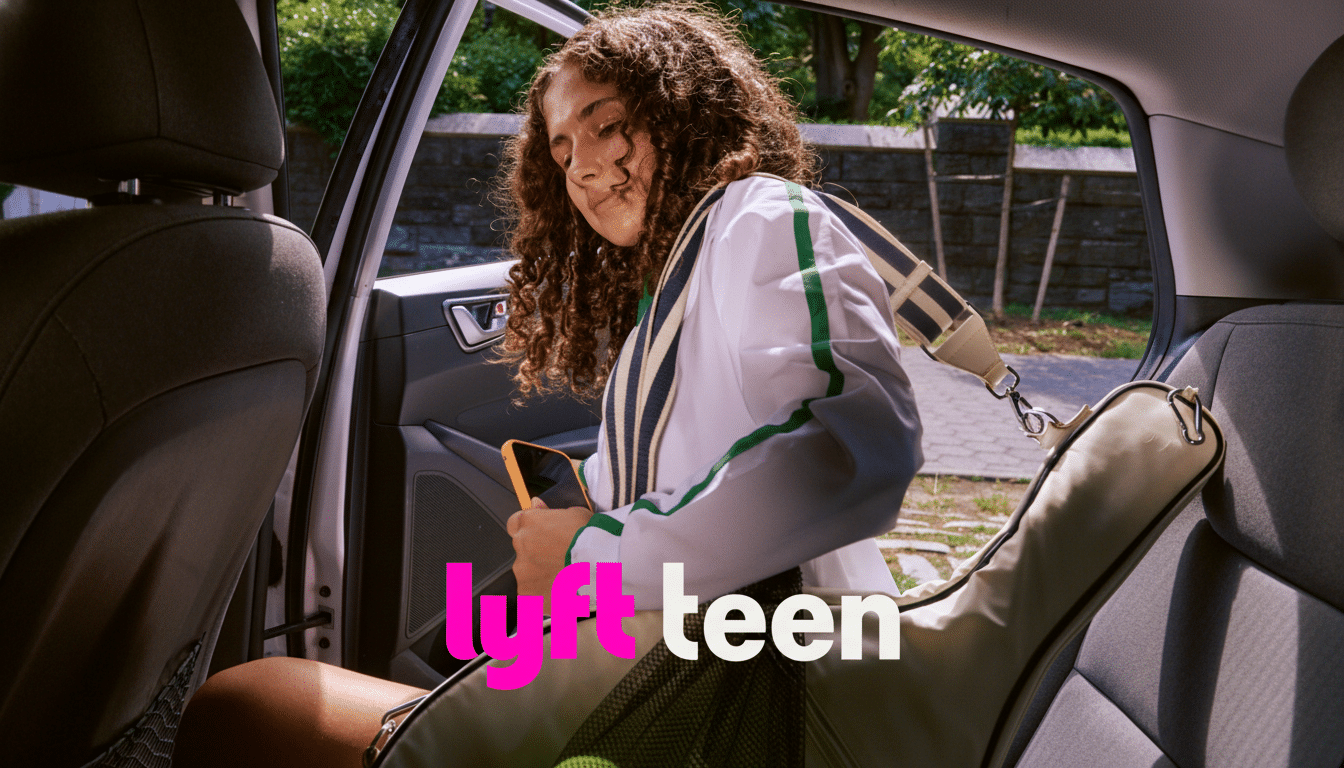
How Lyft’s new teen accounts work for riders and parents
Only a parent or legal guardian can create a teen account. In the Lyft app, caregivers select their profile, tap Lyft Teen, enter the teen’s contact information, and attach a shared payment method. The teen then receives a unique sign-up link via text to activate their profile.
Lyft says drivers who accept trips from teen riders must meet stricter eligibility requirements and complete annual background checks. With parent approval, teens can bring guests, enabling carpools to practices, games, or study sessions without juggling multiple pickups.
Safety features and parental controls for teen riders
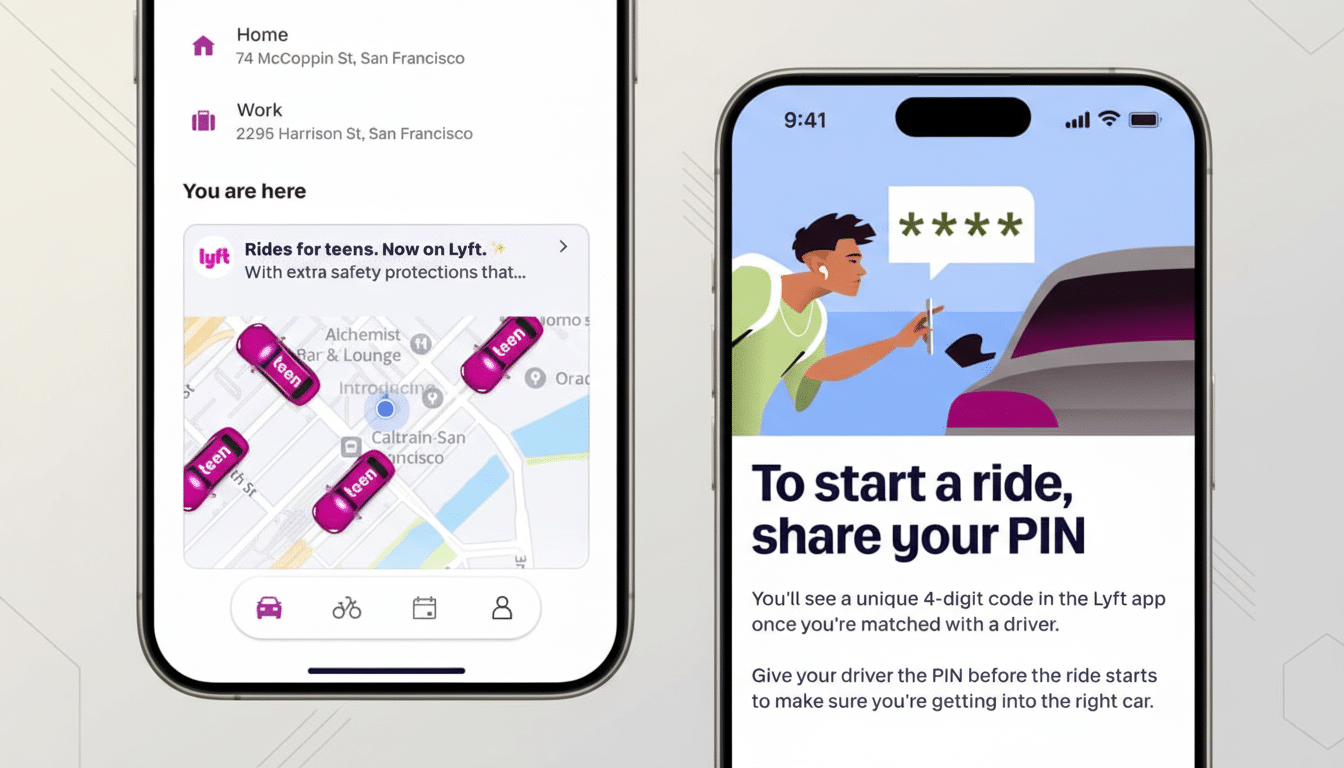
Trips include PIN verification so riders confirm they are with the right driver before the ride begins. Opt-in audio recording and real-time trip tracking are enabled, allowing parents to follow the route, see the driver’s details, and receive status updates from pickup to drop-off.
The safety pitch resonates for many families. Motor vehicle crashes remain a leading cause of death for U.S. teens, according to the Centers for Disease Control and Prevention, and federal safety data show crash risk is highest among novice drivers. While ride-hailing is not a substitute for safe teen driving education, parents often weigh professional drivers and tracked trips against the risks of letting a new driver navigate busy corridors alone.
Lyft’s safeguards mirror a broader industry trend toward layered protections. Features like shareable ETAs, driver identity checks, and on-trip support have become table stakes, and parental oversight tools extend those norms to younger users.
Competitive context and strategy in teen mobility services
Uber began experimenting with teen accounts years ago and formally introduced a commercial product in select U.S. and Canadian cities before expanding to more markets and additional countries. Waymo also allows teen riders within its driverless service zones in the Phoenix area.
For Lyft, teen accounts serve both offense and defense. Independent market analyses have long estimated Uber captures a significantly larger share of U.S. ride-hailing trips. By courting families and everyday errands tied to school calendars, Lyft can diversify demand patterns, deepen household engagement, and potentially increase retention with shared payment profiles.
The teen rollout also fits a broader slate of initiatives introduced under Risher. Lyft has inked partnerships across the autonomous vehicle stack, including collaborations with May Mobility, Benteler and Holon, Tensor Auto, and Mobileye. Internationally, Lyft has pushed into Europe through its acquisition of German multi-mobility platform Free Now from BMW and Mercedes-Benz Mobility, marking a strategic shift beyond North America.
What it means for families, drivers, and daily routines
The immediate use cases are clear: rides to and from school, after-school programs, sports, music lessons, and weekend activities, particularly in dense metros where parking and scheduling are headaches. Parents gain visibility and payment control, while teens gain flexibility without relying on a car-owning adult.
Drivers may see steadier off-peak demand clustered around school dismissals and early evenings. Lyft’s additional screening for teen trips could narrow the eligible driver pool, but the company is betting that higher trust and repeat family usage offset any constraints.
Key questions to watch as Lyft expands teen accounts
Adoption will hinge on parental trust, driver supply during school-adjacent windows, and consistent safety outcomes. Regulators also play a role, since rules around transporting unaccompanied minors can vary by jurisdiction, and ride-hailing companies have historically barred under-18 riders without an adult.
If Lyft can demonstrate reliable safety performance and a seamless onboarding process, teen accounts could become a durable growth lever. Families are already heavy users of on-demand services; bringing teens into the app with oversight tools may be the bridge that makes ride-hailing a household utility rather than a one-off convenience.
