


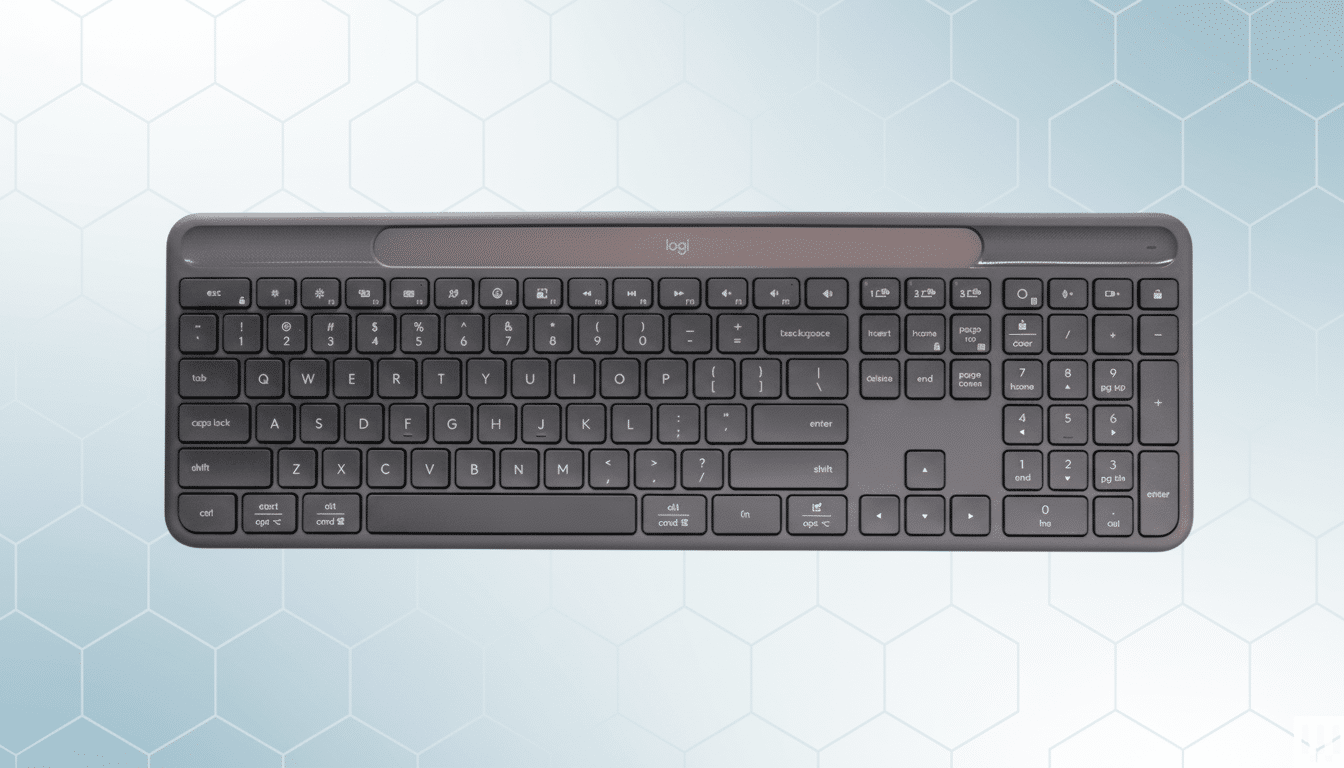
Logitech has released the Signature Slim Solar+ K980, which is a wireless keyboard with a roofline of fin-like solar cells and a design that’s meant to be user-repairable — two choices aimed at longevity and less e-waste.
The keyboard can gather sufficient energy from both sunlight and regular indoor lighting, the company says, to remain charged — and it will offer replacement parts through iFixit.
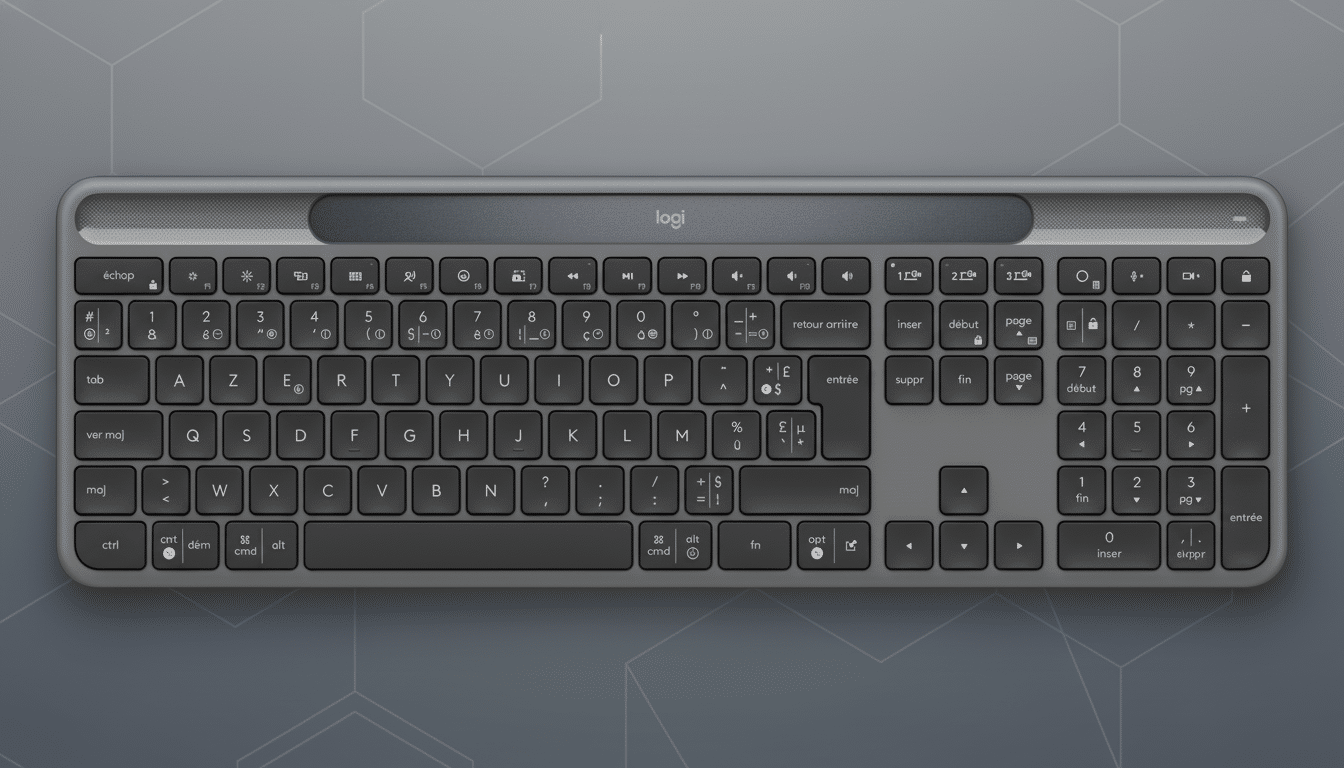
The K980 debuts at $99.99, squarely in the midrange price tier of keyboards, but attempts to differentiate itself with sustainability-first engineering, cross-platform key legends that work as well on Windows as on macOS, and a new dedicated key capable of calling up your default AI assistant or services like ChatGPT.
The importance of a solar, repairable keyboard
Peripherals, by design, tend to be disposable: sealed batteries decline, key mechanisms break and spares are few. The world produced roughly 62 million metric tons of e-waste in 2022, according to the UN’s Global E-waste Monitor, and only about 22 percent was formally collected for recycling. Increasing the lifespan of products, and making it possible to repair those products, are two of the best levers for bending that curve.
The K980’s design — to scavenge ambient light and provide a parts pipeline — seeks to both minimize regular charging and avoid early retirements. Logitech has talked for years about reducing its carbon footprint, even going so far as to add product carbon impact labels to packaging; a keyboard that’s designed to last and be fixable is a pragmatic manifestation of the vow.
Power from the sun as well as office lights
Though it shares the bragging rights of much “solar” gear (it’ll trickle-charge when used outdoors), according to Logitech, the K980 can glean a charge from basic indoor light, which makes it practical for home offices lit courtesy of LED bulbs or overhead fluorescents. The panel extends across the top edge of the keyboard, utilizing more surface area while reducing shadows cast by your hands as you type.
The company says the solar cell is crafted to last a decade. That long horizon is important because for wireless gear, rechargeable cells typically determine their operational life. Placement still matters (brighter environments will help fill the energy buffer more quickly), but the idea here is nearly hands-off power management.
Repairability backed by iFixit with official parts
The K980’s plastic case and internal design were optimized for pulling apart more easily, Logitech told The Verge, without reinforced adhesive or non-removable clips that make repairs difficult. iFixit will sell official spare parts and consolidate typically failed components from everyday use like feet, top plates, or batteries.
That dovetails with a broader right-to-repair movement. The European Union has adopted policies to make consumer electronics easier to repair and the spare parts used in them more widely available, and states like California and Minnesota have passed right-to-repair laws requiring manufacturers to provide documentation and parts. By lining up spares and an accessible structure, the K980 fronts stronger policies on shrinking e-waste.
Classic layout with a contemporary twist
Aside from the sustainability angle, the K980 is just a standard-looking, full-size Logitech board with dual-labeled keys for Windows and macOS. Those shortcut keys are starting to make their way into new generations of AI-based keyboards as part of an acknowledgment that many users now use assistants for search, drafting and commands about as routinely as others invoke screen-capture tools or emoji pickers.
(Logitech has had solar keyboards before — the popular K750 was one of the first devices to show commercial promise for storing ambient light power, years ago — but what we’re looking at here is repairability.) Unlike most keyboards, which are sealed slabs meant to be discarded once their batteries run down, the K980 is designed with future service in mind.
Price, availability, and who the K980 is for
At $99.99 and sold exclusively by Logitech, the K980 beats out genteel premium mechanical boards and increasingly fragile treats that remain expensive to repair. It’s for home and office users who desire wireless convenience, but without the battery anxiety or one more cable cluttering up their desk, who appreciate gear that can be opened and serviced versus discarded.
For IT departments, the math makes sense: Less need for charging and a ready supply of new parts can help minimize resulting downtime and reduce churn in the procurement of new equipment. For people, it provides a way to make one investment and then just keep typing, whether you work by a window or with a desk lamp overhead.
The bigger sustainability picture for peripherals
Repairable peripherals will not solve e-waste alone, but they scale: offices buy keyboards by the dozen, and incremental changes — a replaceable battery or an accessible top case — accrue across fleets. Advocates of this sort of thing, like the good people at iFixit, have long argued that right-to-repair means more than just how beefy the warranty is: it’s about access to spare parts and documentation (especially repair instructions) that can extend the useful life of a product — and the K980 comes attached to that ideology without an end-of-life trip to a landfill.
If the model works, it could shame other accessory makers into releasing parts catalogs and designing for disassembly. Here’s where solar and repair cross paths: energy you don’t need to plug in, and a device you don’t need to throw out.
