


I set up LG’s two flagship OLEDs side by side expecting the newest model to run away with the win. Instead, the surprise was clear within minutes: the acclaimed G4 consistently delivered a more refined picture than the newer G5 in real-world viewing, making the older set the one I’d recommend for most buyers right now.
What Actually Changed This Year Between the G4 and G5
Both the G4 and G5 come in 55 to 97 inches, keep the signature “Gallery” design for flush wall mounting, and support Dolby Vision HDR and Dolby Atmos. You still get four HDMI 2.1 ports, 120Hz native panels, and the full spread of gaming features including VRR, ALLM, NVIDIA G-Sync, and AMD FreeSync Premium.
- What Actually Changed This Year Between the G4 and G5
- How I Tested Both LG G4 and G5 OLED TVs Side by Side
- Picture Quality: The G4’s Consistent Excellence
- HDR Brightness and Color Volume: Real Differences
- Gaming Latency and Smoothness on LG G4 vs. G5
- Design, Audio, and Smart Platform Differences
- Price, Value, and Real-World Fit for Most Buyers
- The Verdict: The Older G4 Is the Smarter Buy
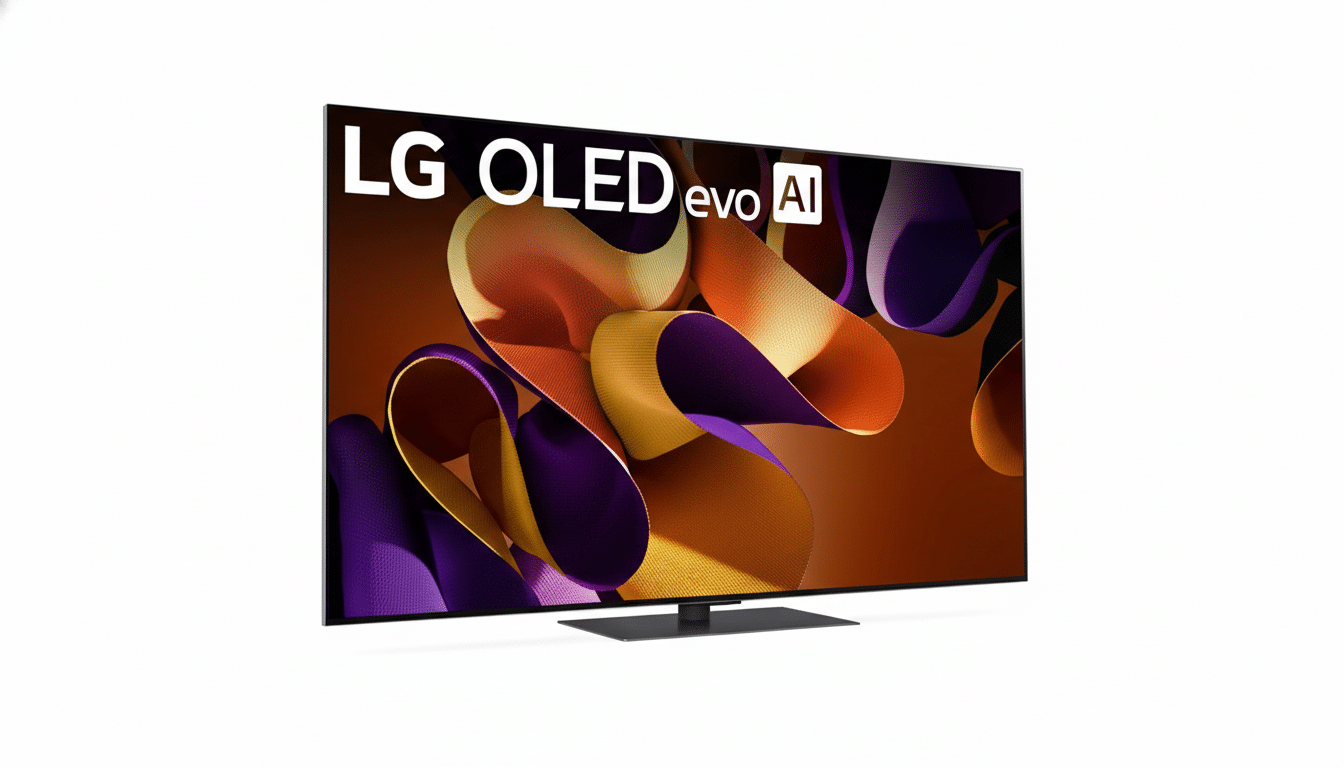
The G5’s headline updates are under the hood: a refreshed panel architecture designed to push peak brightness even higher, plus a boosted 165Hz mode for PC gaming on select sizes. On paper, it’s a modest spec bump. In practice, the change to the panel matters—but not in the way you might expect.
How I Tested Both LG G4 and G5 OLED TVs Side by Side
I watched both TVs in a controlled, dim room and in a bright living space with large windows. I used familiar Dolby Vision titles with tricky highlights and shadow detail (think neon cityscapes and night shots), sports in 4K HDR, and a suite of standardized test clips and patterns. I kept processing minimal: Filmmaker Mode for movies and series, Game Mode for consoles, and identical settings where possible. For context, I also placed a high-brightness Mini-LED control screen beside them to gauge HDR punch in sunlight.
Picture Quality: The G4’s Consistent Excellence
The G4’s image is the definition of confidence. Near‑black detail was clean, with smooth gradations and excellent shadow texture; fine patterns in clothing and hair held together without posterization. Specular highlights—headlights, metallic reflections, candle flames—popped hard without washing out surrounding detail. Color accuracy, especially skin tones, felt natural right out of Filmmaker Mode, aligning with the strong calibration baselines third‑party labs have reported for recent LG OLEDs.
By contrast, the G5 looked brighter on highlight spikes, but my sample frequently traded nuance for that punch. Micro‑contrast in midtones and shadow detail was softer than expected, giving complex scenes a slightly hazy cast. Fine textures sometimes blurred together, as if a light veil had been laid over the image. In side‑by‑side shots, the G4 consistently rendered more detail in dark suits, star fields, and low‑light interiors.
It’s worth noting that brightness races can shift panel behavior. Display Supply Chain Consultants has documented aggressive OLED efficiency gains in recent generations, while the UHD Alliance and calibrators often caution that chasing higher nits can complicate tone‑mapping and near‑black handling. That tradeoff appears to be at play here.
HDR Brightness and Color Volume: Real Differences
LG’s claim for the G5’s new panel architecture is simple: more headroom for HDR peaks. In bright rooms, that extra luminance helps colorful highlights cut through ambient light. However, I repeatedly saw the G5 clip or compress subtle highlight gradients that the G4 preserved. The result: the G4 didn’t look dim—its MLA‑equipped panel still brings serious punch—yet it maintained better highlight detail and more faithful EOTF tracking across a wide range of content.
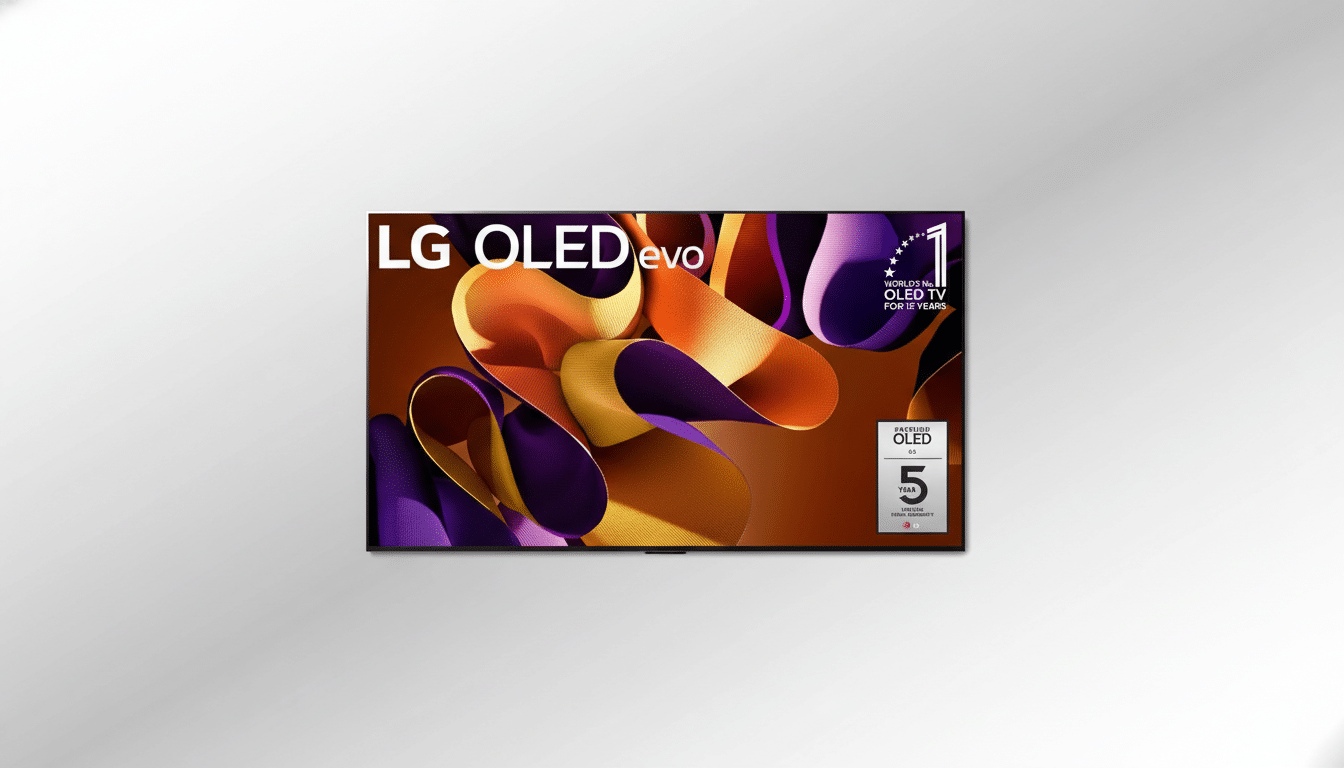
Color volume was similarly telling. Saturated reds and greens looked bolder on the G5 in isolation, but side by side the G4’s palette was both vibrant and truer, with fewer instances of oversaturation in challenging scenes. That balance matters more over hours of viewing than a single eye‑catching peak.
Gaming Latency and Smoothness on LG G4 vs. G5
Gamers will love both. Input lag is class‑leading (OLED’s sub‑1ms pixel response remains a competitive advantage), and VRR support spans the full ecosystem. The G4 boosts to 144Hz; the G5 ups that to 165Hz for PC users, which can shave micro‑stutter if your rig pushes very high frame rates. Practically, on consoles at 120Hz, both are excellent, with clean motion handling and minimal overshoot. The G4’s Game Mode tone‑mapping looked slightly more consistent in dark scenes, which helps in competitive shooters where shadow detail is critical.
Design, Audio, and Smart Platform Differences
Build quality remains top‑tier on both models, with ultra‑thin bezels and a tidy wall‑flush profile. webOS continues to deliver a complete app library, fast app switching, and robust voice control. Dolby Atmos decoding and eARC pass‑through behaved as expected, and pairing with a compatible LG soundbar enables the company’s synchronized “WOW” features. None of these areas meaningfully differentiate the G5 from the G4.
Price, Value, and Real-World Fit for Most Buyers
Here’s the kicker: the G4 has become widely discounted, while the G5 commands a fresh‑model premium. When a newer set doesn’t deliver a clear, across‑the‑board picture upgrade, the value calculus tilts hard toward the proven performer. For dark‑room movie nights and balanced daytime viewing, the G4’s accuracy and stability outweigh the G5’s incremental brightness gains—especially at a lower price.
The Verdict: The Older G4 Is the Smarter Buy
The expectation was simple: the G5 would take the G4’s crown with brighter HDR and a faster panel. The reality is more nuanced. My testing showed the G4 delivering cleaner detail, steadier tone‑mapping, and a more coherent image across a wide range of content. The G5’s extra brightness is visible, but it comes with tradeoffs that undercut its appeal—and its premium pricing.
If you want an elite OLED that nails movies, sports, and gaming with minimal fuss, the G4 is the safer, better‑value choice today. Unless firmware updates or a revised variant address the G5’s consistency, the surprise winner of this showdown is the older model.
Context for enthusiasts: independent labs like RTINGS have long highlighted LG’s strong out‑of‑box accuracy in Filmmaker Mode and sub‑10ms input lag at 60Hz, while industry groups such as the UHD Alliance advocate for modes that preserve creator intent. Those are exactly the strengths the G4 leans on—and why it takes the win here.
