


Lenovo’s second‑gen handheld skips into the room; it kicks down the door with more power, more buttons and even bigger ideas than just about any competitor.
The Legion Go 2 starts at $1,099 and in preliminary testing it’s every inch the “do‑it‑all” portable gaming machine. The question is whether “everything” really does make it better.
- Design and build: size, ergonomics, and controller layout
- Display and specs: OLED screen, CPU, RAM, and storage
- Early performance impressions from first gaming tests
- Software experience: Windows 11 and Legion Space UI
- Features versus friction: controls, noise, and battery life
- Where it stands in the market against Steam Deck and Ally
- Provisional verdict: promise, trade-offs, and next steps
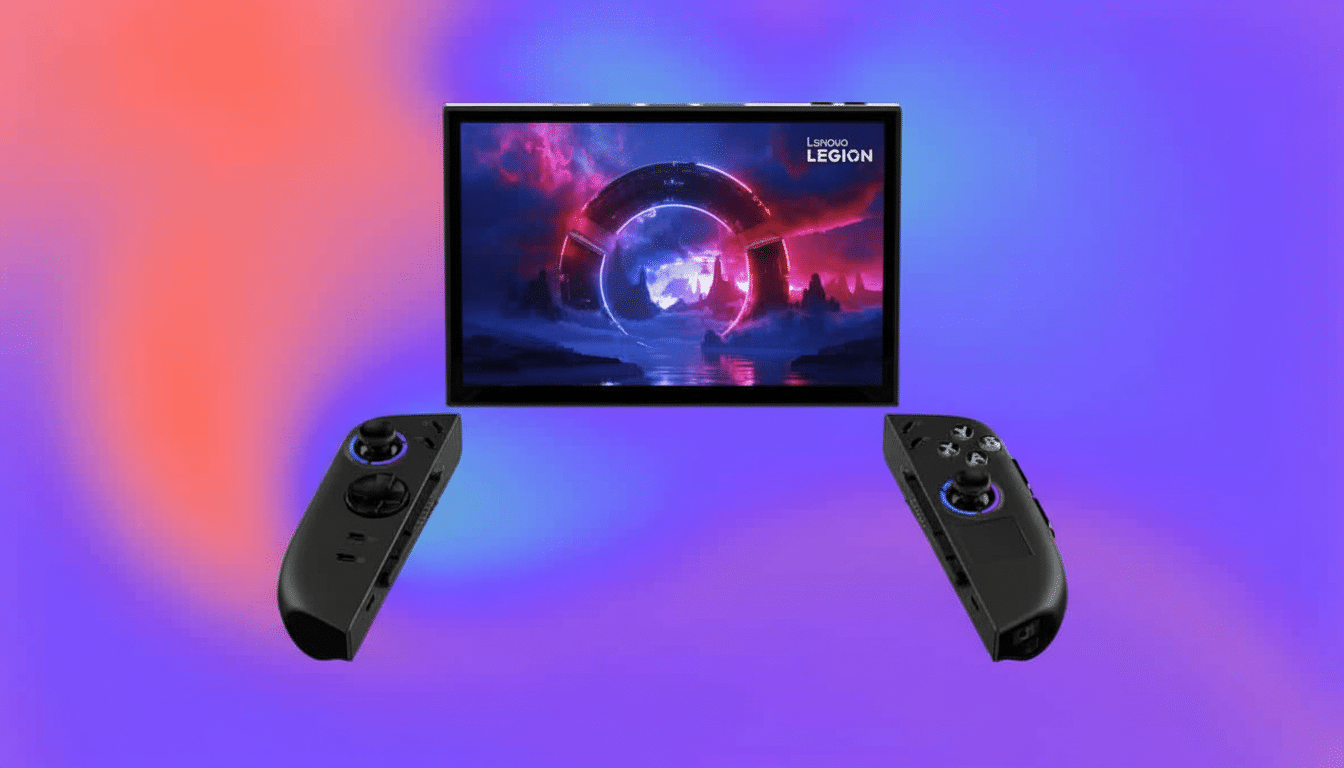
Design and build: size, ergonomics, and controller layout
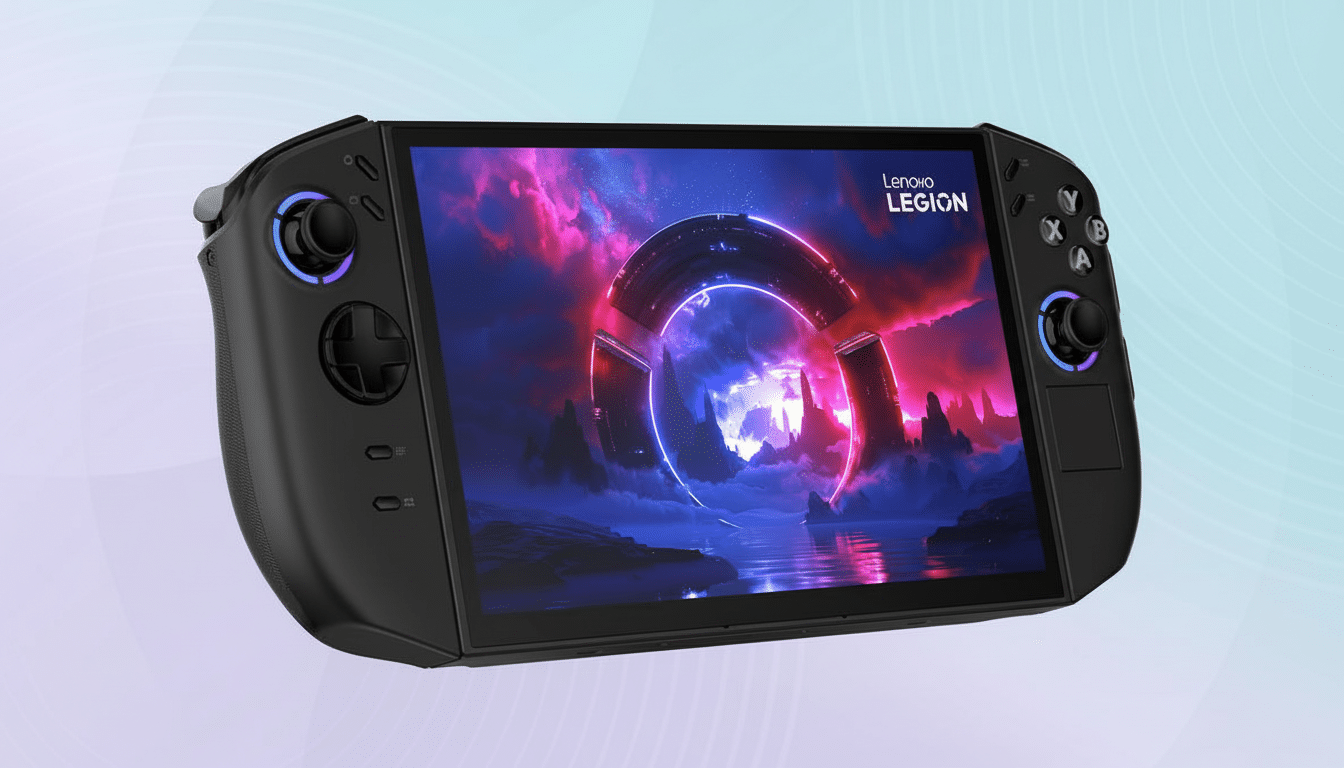
The Legion Go 2 is the same 8.8‑inch footprint of its predecessor but reduces both size and weight. Rounder grips replace the original model’s sharper edges, and the removable controllers return, this time feeling more solid and less wobbly. Lenovo also stubbornly sticks with a maximalist control scheme: classic twin sticks, triggers and bumpers and face cluster, plus a constellation of extra map buttons all over the back and edges.
It is no doubt comfortable for extended sessions, but it is also huge. It takes up more bag space than a Steam Deck OLED and is heavier in hand. The trade‑off is flexibility — there’s space for detachable controllers and a plethora of dedicated buttons, including quick toggles for a Lenovo overlay that can change refresh rate, resolution, etc., on the fly.
Display and specs: OLED screen, CPU, RAM, and storage
Lenovo steps up to an 8.8‑inch OLED at 1920×1200 with an adaptive 30–144Hz refresh window. That’s a lower pixel count than the original’s 1600p panel, but it makes for a smart pivot in favor of handhelds. At this size, 1200p looks fine, and pushing fewer pixels ought to help maintain a higher frame rate — and perhaps battery life, too. Punchy colour and inky blacks thanks to the OLED panel’s contrast and per‑pixel backlighting mean dark scenes from modern games look flattering.
Our early unit packs an AMD Ryzen Z2 Extreme‑class APU, a whopping 32GB of LPDDR5X, and 1TB worth of storage. Power limits, firmware, and final clock behavior can all impact performance at launch, but this silicon tier is definitely aimed at beating first‑gen Windows handhelds overall and accelerating past what Valve’s Deck is capable of in raw throughput.
Early performance impressions from first gaming tests
With settings dialled down to handheld sanity (FSR switched on where possible, medium presets, and 1200p or 800p render targets), first runs of Final Fantasy VII Remake Intergrade and The Witcher 3 hit near‑60fps, with some sporadic micro‑stutter on denser scenes.
That’s a pronounced uptick over what the Steam Deck OLED is known to yield in those titles without further (potentially game‑breaking) tweaking.
Here variable refresh is pulling its weight. The sweet spot for fluid motion without insane power draw is often locking to 40–60fps and letting the VRR of the OLED do its magic to smooth out any dips. It’s the same principle I’ve seen analysts at places like Digital Foundry recommend for portable PCs: chase frame pacing, not merely peaks.
Software experience: Windows 11 and Legion Space UI
The Legion Go 2’s superpower and headache combined is shipping with Windows 11. But on the other hand, it plays everything: Steam, Epic Games Store, Battle.net, the Xbox app with Game Pass — no need to go around anything. That openness is a distinct contrast from devices that are closely wedded to one store.
The other side is touch ergonomics and overhead. Windows continues to be bad on the couch. Lenovo’s “Legion Space” software and quick settings overlay are very useful here, surfacing performance modes, control profiles and per‑game shortcuts in a handheld‑friendly UI. But when you fall back to the desktop, you may find yourself yearning for the console‑like simplicity that Valve’s SteamOS provides. And it’s worth noting PCMag’s hands‑on coverage of the first Legion Go found that SteamOS builds could actually outperform Windows on the same hardware, rather proving software can be as important as silicon.
Features versus friction: controls, noise, and battery life
“It has everything” is a double‑edged sword. And the field of auxiliary buttons is a boon for power users who map gyro toggles, screenshot macros or FSR switches. For everyone else, they can be easy to press accidentally, and once mapped, a stray tap of one can pull up overlays mid‑fight. The detachable controllers are nifty and genuinely useful for tabletop gaming, but they add a bit of bulk and mechanical complication most people won’t want to deal with on an everyday basis.
Then there’s that perpetual handheld triangle: performance, noise, and battery. Windows handhelds generally provide an hour and a half up to three hours of modern AAA gaming at full power, depending on settings. We’ll have to perform extended testing, but it’s the Legion Go 2’s endurance and how it handles thermals and fan acoustics across power profiles that will make this either feel like a nimble companion or one more small laptop pretending to be a console.
Where it stands in the market against Steam Deck and Ally
Compared with the Steam Deck OLED, the Legion Go 2 is available in more game stores, boasts higher refresh headroom and packs more brute force. Lenovo’s detachable controllers and wide array of hardware customization features also set it apart compared to ASUS’s ROG Ally X. The broader PC ecosystem ubiquitously uses Windows — Steam’s own hardware survey confirms that Windows use smashes all other contenders on the service, so just plain compatibility leans Lenovo’s way, even if the UX is less console‑like.
Provisional verdict: promise, trade-offs, and next steps
Early days yet, but the Legion Go 2 is shaping up to be perhaps the most capable “kitchen‑sink” handheld in existence: Fast OLED with a high‑ceiling APU on board; detachable controllers; deep software toggle switches (e.g., running as an external screen or standalone handheld); and true storefront freedom. It’s also a lesson that more features can mean more friction. If you value sleekness and grab‑and‑go ease of use, a more curated device might be more up your alley. If you prioritize control, customization and the broadest PC library in your hands, Lenovo’s maximalist gamble is convincing.
We’ll also keep tracking battery life, thermals, and docked output, long‑session comfort and its controller latency in detached mode, as well as driver stability across a wide game mix. For now, that headline stands: the Legion Go 2 really does have everything — and whether you want it all is the question only you can answer.
