


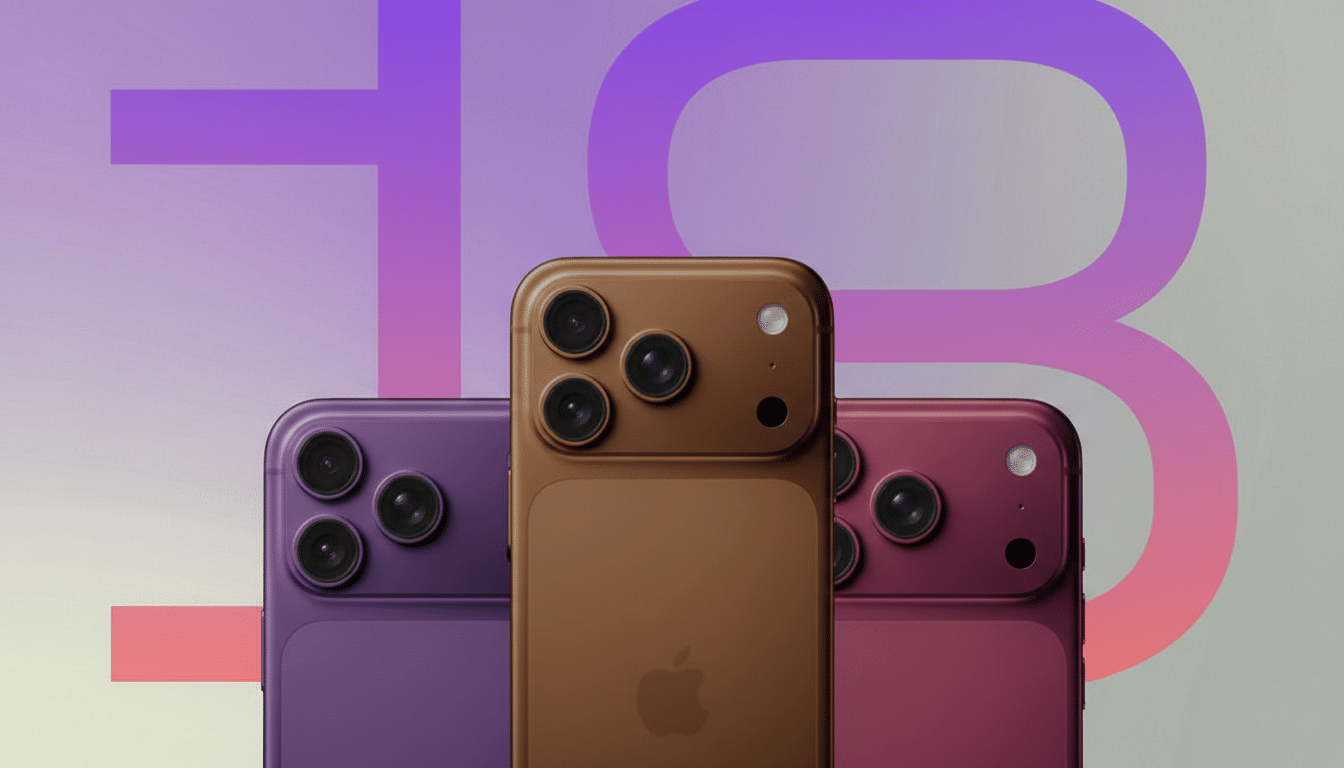
Apple is expected to keep iPhone 18 starting prices unchanged despite surging memory costs, according to noted analyst Ming-Chi Kuo. The claim runs counter to broader industry pressures as DRAM and NAND suppliers prioritize AI data centers, a shift that has squeezed smartphone component availability and lifted contract prices across the board.
Kuo’s read is that Apple will absorb higher memory costs to preserve headline pricing and protect market share. That approach would temporarily compress hardware margins, with Apple aiming to recoup the difference through services and mix efficiencies rather than passing the increase directly to buyers.
Why Memory Prices Are Rising as AI Data Centers Surge
Memory makers have been reallocating capacity toward high-bandwidth and high-capacity modules for AI servers, limiting supply for consumer devices. Research houses including TrendForce have tracked multiple quarters of double-digit DRAM contract price increases as data center demand soaks up output and tightens inventories for smartphones and PCs.
The knock-on effect is visible across the handset industry. IDC has warned that component inflation could lift average selling prices for smartphones by as much as 6–8% this year, a view that aligns with hints from major Android vendors about potential price adjustments. In short, the pricing environment favors a hike—unless a manufacturer is willing and able to absorb it.
How Apple Can Hold the Line on Pricing Amid Cost Spikes
Apple’s scale gives it negotiating advantages. Kuo notes the company secures a steadier memory pipeline than most non-AI-focused brands and negotiates with suppliers more frequently—reportedly on a quarterly cadence rather than semiannual cycles. That shortens Apple’s reaction time to market swings and helps smooth cost volatility into its bill of materials.
There’s also a strategic backdrop: Apple has strong pricing power and an ecosystem designed to monetize users over time. Services carry structurally higher margins than hardware; Apple’s own disclosures have shown services gross margins far above those of products, creating a cushion when component costs spike. Subscriptions such as iCloud+, Apple Music, and Apple TV+—along with warranties, payment services, and ads—can offset some hardware margin pressure through higher average revenue per user.
Industry profit share is another factor. Counterpoint Research has repeatedly found Apple capturing the overwhelming majority of global smartphone profits—north of 80% in recent tallies. That profit leadership provides room to deploy tactical pricing moves, like holding the line on entry prices while nudging customers toward higher-storage tiers or Pro models where margins are richer.
What to Expect for the iPhone 18 Lineup on Pricing
If Kuo’s projection is accurate, iPhone 18 models would debut at the same starting prices as their iPhone 17 counterparts, despite pricier memory. That would be a clear signal of Apple prioritizing unit momentum and customer goodwill over short-term margin expansion.
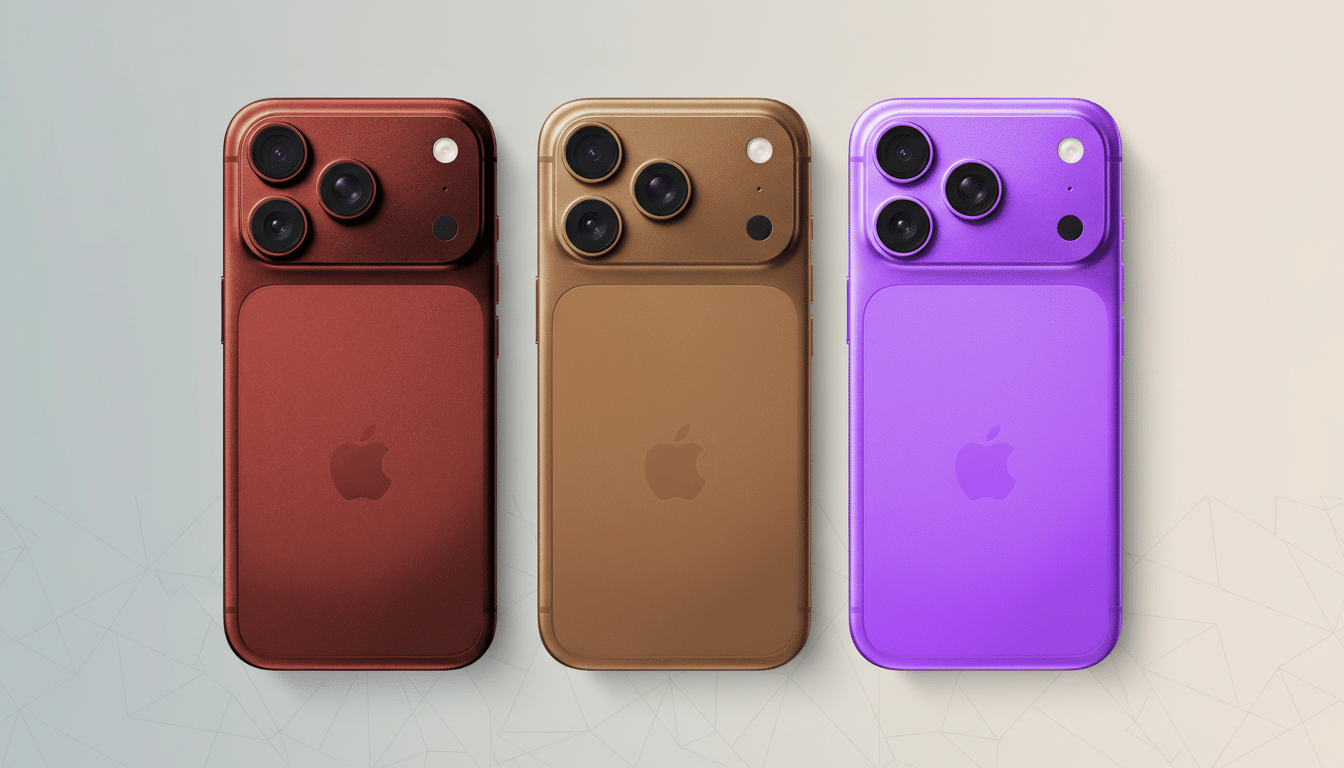
The rumor mill points to a three-device slate centered on two Pro variants and a new foldable. Under the steady-pricing scenario floated by Kuo, the iPhone 18 Pro would start at $1,099 and the iPhone 18 Pro Max at $1,199. Pricing for a foldable is less predictable given its novel form factor and supply constraints, but Apple’s strategy on the core Pro models would set the tone for the cycle.
One practical implication: stable sticker prices do not preclude Apple from steering buyers into higher-capacity SKUs. With memory costs rising, incremental storage upgrades often become a key lever for maintaining blended margins, especially as on-device AI features and richer video formats push users toward more storage anyway.
The Competitive Angle if Apple Holds iPhone Prices
Holding prices could pressure rivals. Android vendors that lack Apple’s supply bargaining power or services cushion may find it harder to avoid passing on component inflation. If Apple keeps entry points steady while competitors nudge prices up even a few %, Apple’s share of premium segments could climb.
Samsung’s leadership has already signaled sensitivity to rising costs, setting the stage for a divergent pricing playbook in the premium tier. The broader market effect: average selling prices may rise industry-wide even if a few players choose to absorb costs to gain share.
Risks and Caveats to Any iPhone 18 Pricing Forecast
All of this hinges on a forecast. Apple has not announced pricing, and supplier dynamics can change quickly. Prolonged or sharper-than-expected DRAM and NAND increases could force tweaks, especially outside the U.S., where currency swings and local taxes complicate parity. Model mix, storage tiers, and regional configurations can also shift the real-world price you pay.
Still, the thesis fits Apple’s pattern: use supply-chain leverage and ecosystem economics to keep headline prices attractive, protect demand through a choppy component cycle, and let services and higher-value configurations do the heavy lifting on profitability. If memory markets remain tight, this may be the year that strategy is stress-tested in full view.
