


A new leak indicates the sort of charging uplift Samsung fans have been hoping for. The Galaxy S26 Ultra will be able to charge from 0 to 75% in only half an hour, according to prominent tipster Ice Universe and the results of internal testing. If true, that would be a significant bump up from the 45W limit of recent Ultras and suggest that Samsung is poised to push wired speeds further into the industry’s mainstream.
The rumor marries with an earlier bit of scuttlebutt that Samsung will bring 60W wired charging to its next Ultra and the quiet release of a 60W first-party adapter for that device on the company’s website.
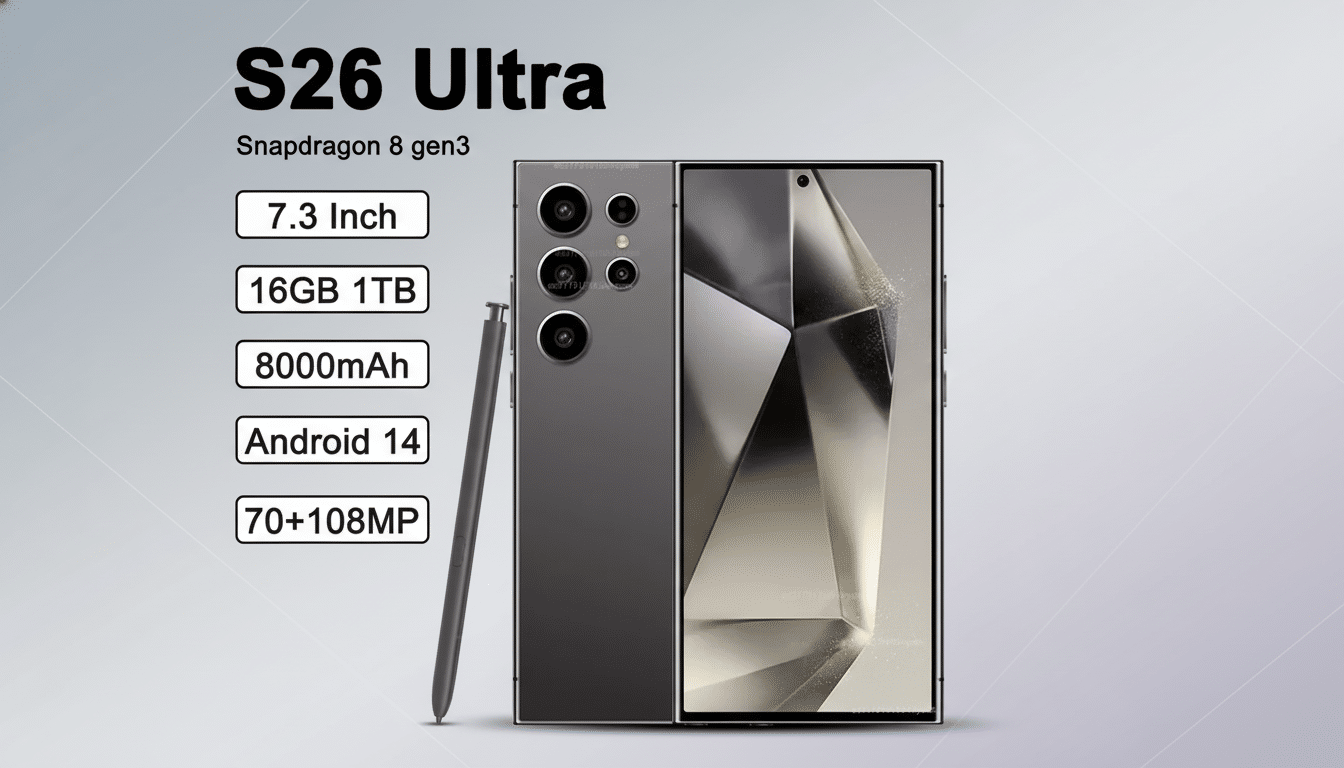
Samsung might have eschewed eye-catching wattages (like Razer’s 130-watt adapter, though most models can deliver up to 100 watts) for battery life and temperature control in the past, but a shift to 60 watts as an option would be a strategic move, even if not gunning after triple digits.
What the Galaxy S26 Ultra charging leak reveals
As iERNEST (another tipster) states, the results have been branded “official” lab findings within Samsung’s own controlled environment by Ice Universe. Translation: the phone was presumably charging with a Samsung 60W USB PD PPS adapter, had a 5A e‑marked cable connected, the screen was off, there were minimal background activities, and all this in an ideal ambient temperature. Actual times will vary based on real-world use, but the controlled data provides a good baseline of what the hardware and charging algorithm are capable of.
On paper, 0% to 75% in 30 minutes implies a power throughput of around low-30s watts for an average 5,000mAh-class battery when tapering is taken into consideration. That dovetails with a peak of 60W early in the cycle and then aggressive but controlled step-downs to safeguard cellphone health as state of charge climbs — standard behavior for USB PD PPS even if Samsung’s Super Fast Charging logic certainly plays a role.
Why the 60W is important for Samsung owners
In everyday use, this would alter how owners recharge. Independent testing at 45W has tended to see recent Ultra models come in around 60–65% after half an hour, with a full charge coming in the region of 65–75 minutes depending on temperature. On a ride, hitting at least 75% at the half-hour point means I’d not bother with total time and, more importantly, take a bigger fast top-up if you have only got time to head out for a bit.
Use case: a 15-minute pit stop could theoretically extract 40–50% from empty in good conditions — one would hope to have enough to perform commutes, workout runs, and late-night rendezvous without the specter of range anxiety hanging over them. And that kind of range flexibility is more important than a headline “0–100%” number, because most users plug in opportunistically from partial levels, not just empty.
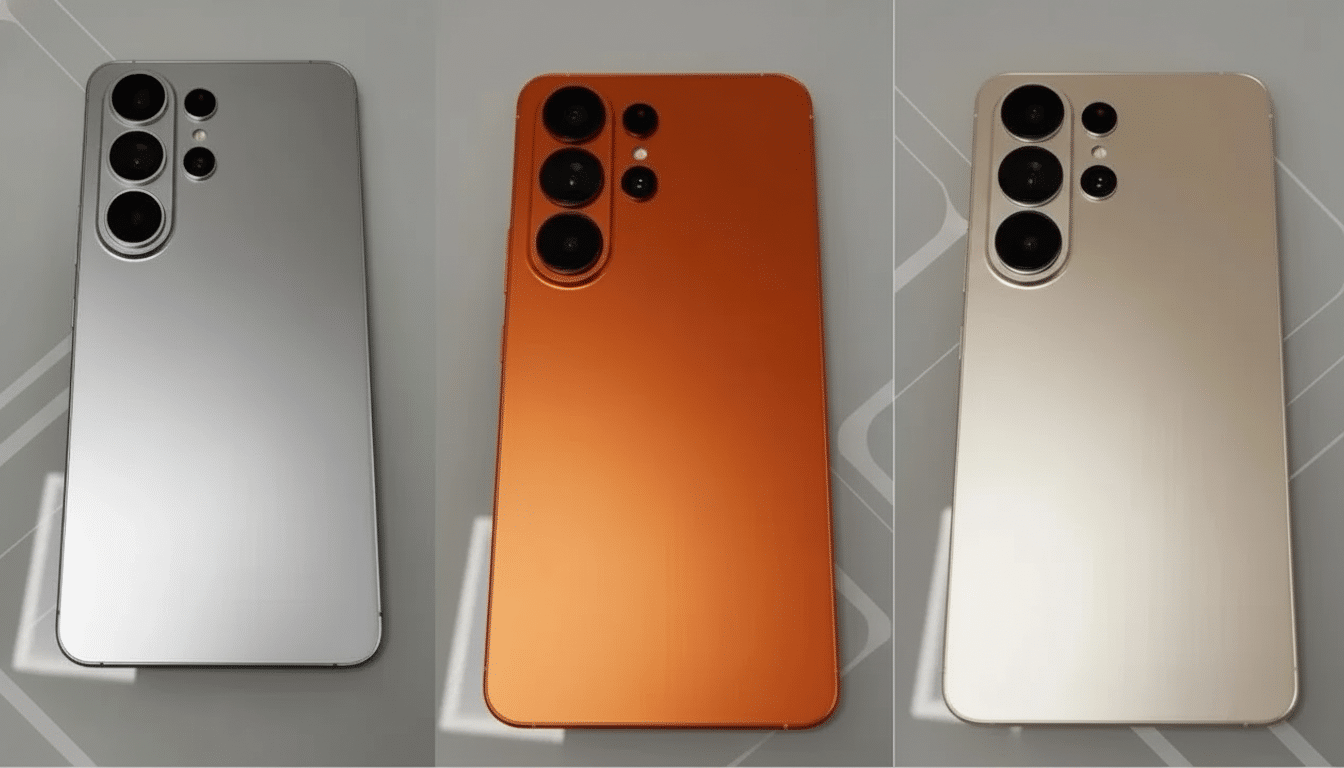
How the Galaxy S26 Ultra’s speeds compare with rivals
Even at 60W, Samsung wouldn’t top specification sheets. OnePlus and OPPO have always advertised 80 to 100W in the global smartphone market, and some models in China are even over 120W by adopting dual-cell technology to alleviate the burden on each cell. Xiaomi’s most premium lines tend to clock in at around 90W, while Apple’s new iPhones cap out near 27W and Google’s latest Pro models have aimed for up to 45W depending on your charger and the firmware version.
There are a number of factors behind Samsung’s conservatism: the company is oriented towards safety, thermal stability, and long-term capacity retention. High charging rates entail risk of lithium plating and could lead to thermal buildup causing shorter life. Some competitors hit back with aggressive battery management and long-life claims — OPPO has proclaimed 1,600 cycles to 80% capacity in the lab — while Samsung relies on stringent thermal design standards and a conservative taper. Jumping to 60W could mean the company is confident in revised cell chemistry, heat dissipation, or some combination of both.
Factors that will shape real-world Galaxy S26 Ultra charging
Wins in the lab don’t always carry over outdoors. Environmental temperature, a thick case, gaming or tethering while charging, and background sync can all draw power away from the battery or create potential triggers for throttling. And the type of cable can make a difference, too — the 60W is achieved on USB PD PPS and you’re going to need at least a 5A e‑marked lead and an appropriate adapter. Samsung no longer includes a charger in the box, so if you want to get the most out of your new device, you’ll need the right accessories.
You should expect the charging to sprint early, and then slow down dramatically after about 60–70 percent as the system favors cell longevity. That’s typical behavior from most of the brands that use the PD PPS profile. Wireless speeds are a different question; even if Qi2 magnetic charging becomes more popular, wired is still the fastest way to top up and would be where such an upgrade could immediately pay dividends.
Bottom line on the Galaxy S26 Ultra’s charging upgrade
If the leak proves accurate, bringing the Galaxy S26 Ultra to about 60W and the 0–75% in 30 minutes milestone would finally deal with one of the few remaining gripes I have with Samsung’s top-end phones. It wouldn’t rewrite the race for fast charging, but would strike a pragmatic balance: faster fill-ups without triple-digit thermal demands. The next test is straightforward — independent reviews will have to validate how close those lab numbers come in real life.
