


Kim Kardashian’s latest health confession has fans theorizing, yet again, about possible internet-inspired medical treatments — including rumors that the reality-TV queen may be considering a brain–computer interface, as a “low activity” snap of her brain scan circulated online. Celebrity psychiatrist Dr. Daniel Amen reviewed images that he said showed decreased activity in parts of Kardashian’s frontal lobe. The episode evolved into a launching pad for talk about brain chips and a possible connection to Neuralink.
What the Scan Revealed, and Why It Raised Eyebrows
On camera, Kardashian was informed her scan displayed areas of low perfusion that are reminiscent at times of someone stressed. She has publicly talked about studying for the bar exam and revealed a mild aneurysm diagnosis, along with fatigue — all of which can mold public concern. Dr. Amen and his clinics are reputedly famous for their use of SPECT imaging to measure blood flow as a form of brain activity. Some opponents of SPECT say the method is not a common test used with scanning for cognitive or psychiatric disease, but prefer to use other images such as MRI, CT, and neuropsychological exams. That gray area — a striking image of questionable clinical utility — is what helped the clip go viral.
- What the Scan Revealed, and Why It Raised Eyebrows
- Why Neuralink Stepped Into the Chat After the Scan
- The Celebrity Wellness Playbook Meets Frontier Tech
- What Neuroscientists Think About Scans and Chips
- The Long COVID Theory and Cognitive Fog Debate
- What to Look For Next in This Evolving Brain-Health Story
Kardashian framed the event as a wake-up call to plan ahead and keep it moving, a recurring beat in her wellness-tinted story.
The star has for years mixed in personal health disclosures with consumer offerings, from supplements to high-tech screenings, which conditions audiences to anticipate a product pivot.
Why Neuralink Stepped Into the Chat After the Scan
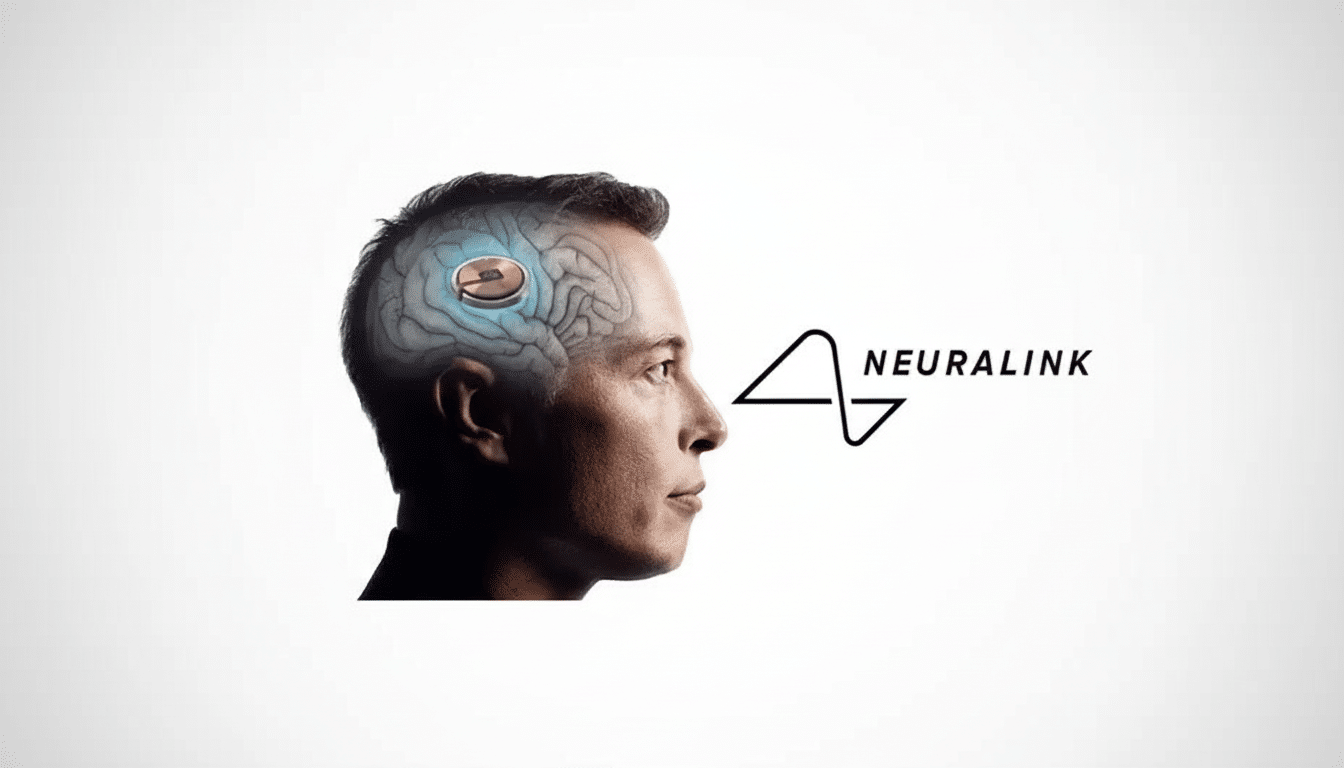
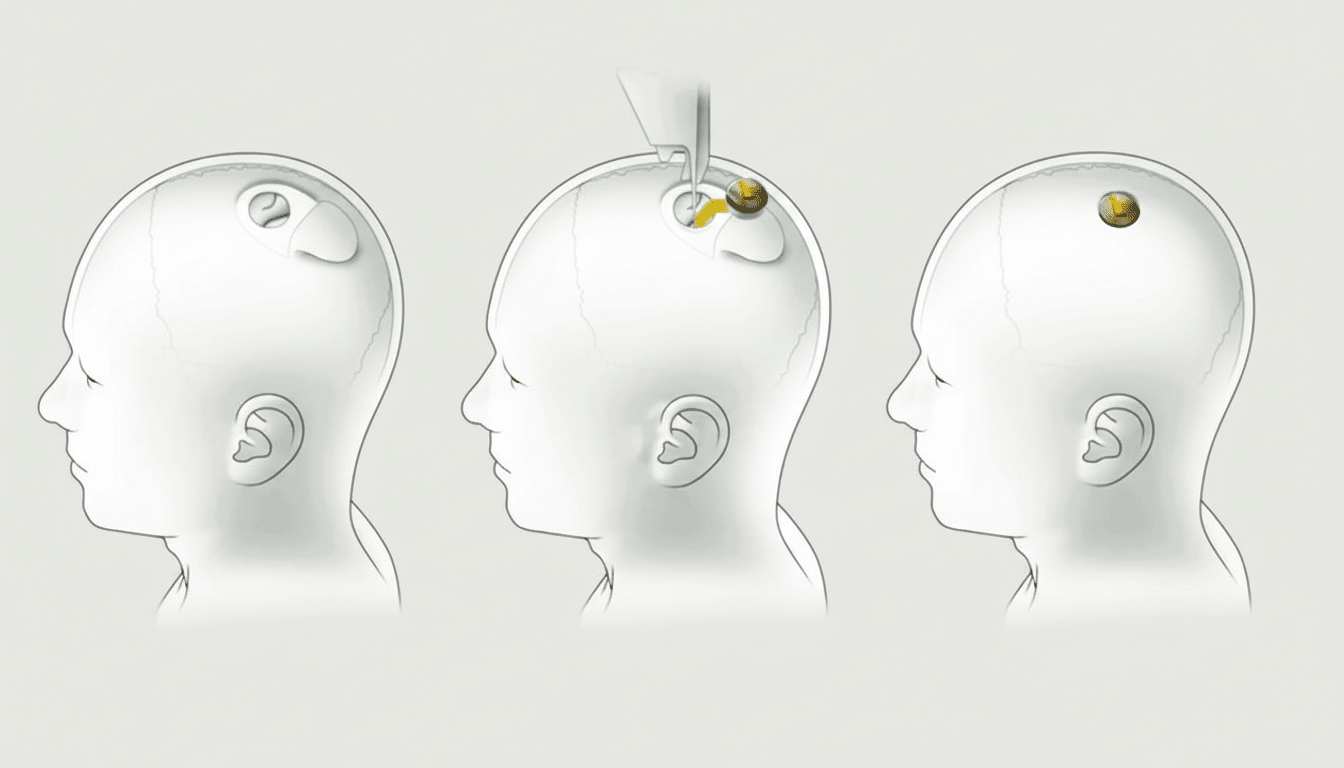
Within hours, social feeds had connected the scan to brain chips; contenders were betting that Kardashian might endorse them, or even buy a few implants. Neuralink, co-founded by Elon Musk, has been experimenting with an implantable device designed to interpret brain signals and control external machinery. The company has said it can now control a cursor and some basic gameplay with a human participant’s thoughts alone, as it publicly espouses long-term goals such as restoring vision and communication.
Neuralink isn’t alone. Synchron’s stent-like device and Blackrock Neurotech’s arrays have allowed paralyzed patients to text, email, and even control robotic aids. A research consortium called BrainGate has published peer-reviewed studies of people using BCIs for up to six years to type and control their arms. These efforts are under the purview of the U.S. Food and Drug Administration through investigational protocols for both promise and caution. Experts point out that implants, as noninvasive as you can make them, carry risks — of bleeding and infection and hardware failure — that are not trivial. Complication rates for deep brain and cortical devices, published in neurosurgical literature, are usually in the low single digits, but the risk calculus will be different for elective enhancements.
The Celebrity Wellness Playbook Meets Frontier Tech
There are few public figures with enough reach to make an unfamiliar medical technology seem like second nature overnight. Influencer-focused health marketing has grown into a potent new force, with industry analysts estimating that creator-led campaigns are worth tens of billions of dollars annually. One storyline in a high-visibility show can plant awareness among the masses, influence perception, and get people from curiosity to trial much more quickly than advertising.
That’s why fans are dissecting the beats so closely: a dramatic scan, talk about performance goals in the open, and a track record of debuting provocative wellness tools. For some, it sounds like the preface to a brain-tech arc. To others, it’s a salutary reminder that complex neurotechnology should not be presented like a skincare drop.
What Neuroscientists Think About Scans and Chips
Neurology organizations generally discourage reading too much into SPECT images as evidence of cognitive impairment in healthy adults. Cerebral perfusion may vary across sleeping, stress, medication, and measurement conditions. Noninvasive investigations. If there is a question of concentration difficulties or tiredness, standard neuropsychological testing, sleep evaluation, and routine imaging are usually suggested before anything more invasive is considered.
When it comes to implants, researchers also draw a distinction between near-term medical applications and sci-fi dreams. The BCIs available today are all aimed at restoring a loss of function — things like communication for people who have paralysis, mobility assistance, or vision research — rather than enhancing healthy brains. The focus of the FDA’s pathway reflects that, and ethicists caution that hype frequently runs ahead of the evidence. Although early outcomes are positive, long-term durability, device lifespan, and reversibility remain concerns.
The Long COVID Theory and Cognitive Fog Debate
Another thread in the online debate has suggested that Kardashian’s scan might show post-viral damage, including long COVID. Large cohort studies supported by public health agencies have found cognitive impairment — fatigue, brain fog, and slower processing — in a subset of people following infection. Specialists stress that diagnosing such post-viral cognitive issues calls instead for careful clinical workups, not to be derived from an isolated imaging snapshot or social media clip.
When fatigue and cognitive lapses persist, evidence-based care often consists of graded return-to-activity plans, sleep optimization, treatment of comorbidities such as migraines or dysautonomia, and cognitive rehabilitation. That doesn’t foreclose innovation, but it emphasizes the need for proven, incremental steps first.
What to Look For Next in This Evolving Brain-Health Story
Kardashian has told fans she is devising a plan and trying to remain attentive. If the plotline turns out to be a team-up with a neurotech company, there will surely be outcry on both sides: supporters crediting it for visibility for patients who could benefit, detractors playing up the commercialization of invasive tech for the purposes of attention and attractiveness.
For now, the smart read is simple. Viral scans are compelling television; decisions about brain health call for quiet, methodical medicine. Whether Kardashian becomes a “face” of a brain chip or redoubles her use of conventional care, one thing is clear: the episode has already done something — robbing this world of villains but opening up access to the gray areas where the ethical fault lines and implications of neuroscience play out. It has made complex neuroscientific ideas part of pop culture’s biggest stage.
