


Jackery’s Explorer 1000 V2 is back down to $398.99 at Amazon, which is a significant drop from its usual list price of $799 and the most attention-getting sub-$400 price we’ve seen for a 1kWh-class portable power station from a major brand.
Inventory-led discounts such as this one have a habit of not sticking around, and the value on offer here is uncharacteristically good.
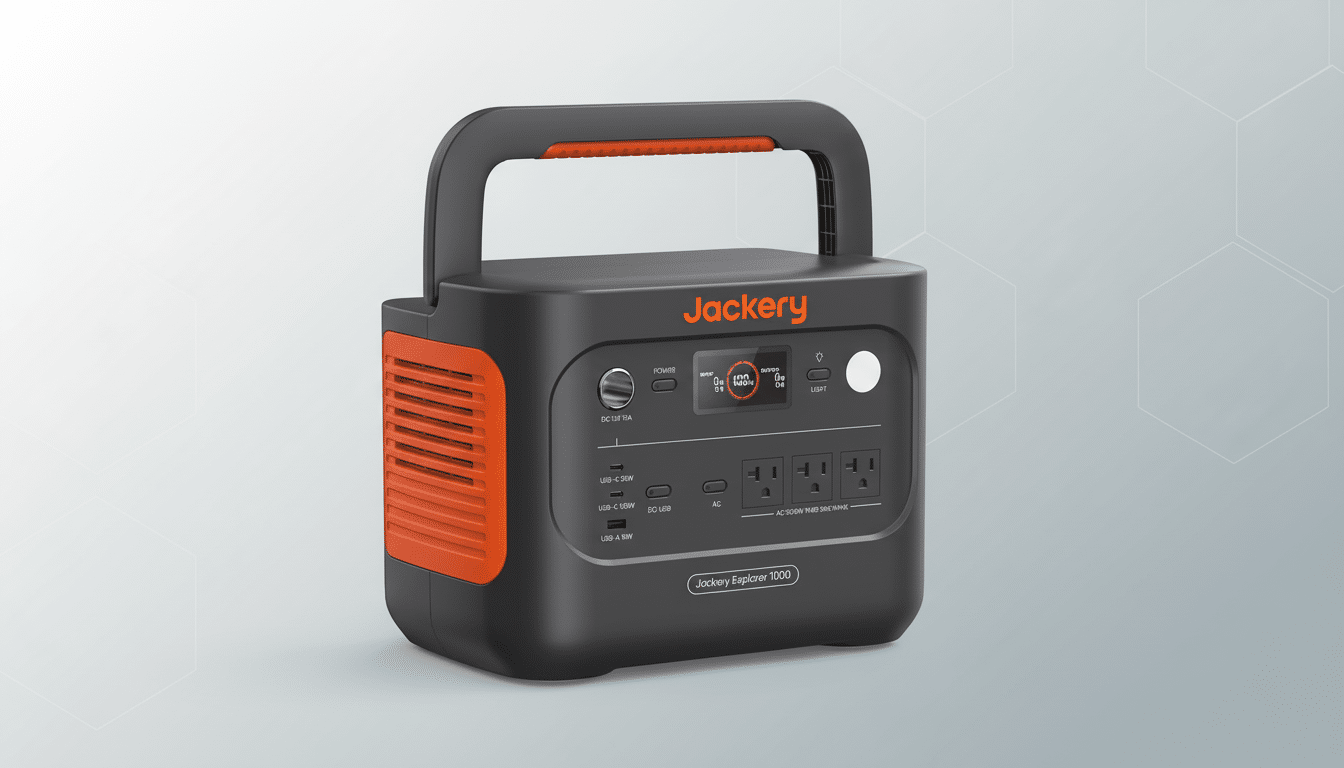
The V2 is built around a 1,070Wh LiFePO4 battery designed to last for 4,000 charge cycles—an order of magnitude longer than the typical weekend-camping gadget—and it morphs into a proper preparedness tool. It’s also more mobile-ready: about 18% smaller and lighter than the previous model, with a quoted weight of 23.8 pounds—yet it maintains its capability to deliver a big 1,500W of AC output (with 3,000W surge) for appliances that require extra startup headroom.
Why this deal matters for shoppers considering 1kWh power stations
The Explorer 1000 V2 costs $398.99, or about $0.37 per watt-hour. So this is lowering the price floor for some buyers who might have been waiting on a significant discount, because 1kWh of LiFePO4 from reputable names tends to hover closer to $700–$1,000 at MSRP. For reference, Consumer Reports and other reviewers frequently use cost per watt-hour as a rough shorthand for value in this area.
And the palette of features seems to track fairly closely with what emergency planners and off-gridders need in a product like this—well, at least to a certain point.
LiFePO4 chemistry is prized for its thermal stability and cycle life: a National Renewable Energy Laboratory study found its degradation was better than older NMC packs over typical use. In other words, 4,000 cycles to about 80% capacity happens to be more than a decade of daily charging before fade may even be noticed.
Reliability while the grid hiccups is another pressing concern. Federal energy studies have noted that even during extreme weather events, power outages are increasingly prolonged in recent years; thus compact, indoor-safe power stations serve as practical insurance against food spoilage and communication blackouts.
Key specs and real-world use for the Explorer 1000 V2
The Explorer 1000 V2 will handle much of what you need it to at home or off the grid: refrigerators, microwaves, coffee makers, and power tools under that ceiling. Its 3,000W surge rating can take care of brief startup bursts from compressors and motors.
How long you can expect them to last will vary based on how well (or poorly) you use those watt-hours. With inverter losses factored, a 60W laptop could last around 12–14 hours; a 30W CPAP, perhaps for between 25 and 30 hours. You could power a modern, relatively efficient refrigerator’s average continuous draw of 150 watts (usage varies widely by model and age) for several hours, longer still if you minimize opening the door and allow the compressor to cycle on its own. High-draw appliances such as a 1,000W coffee maker are well within the range but will zap battery reserves quickly.
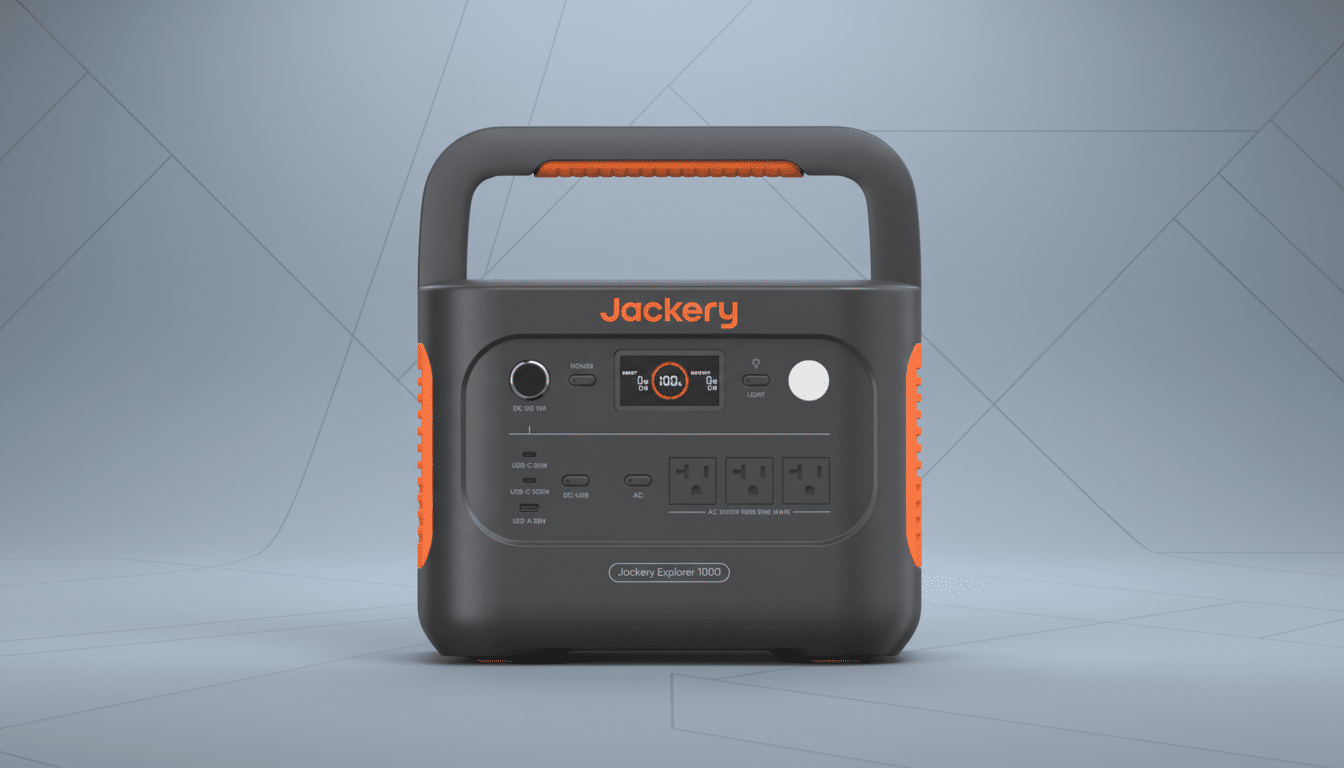
And when it does come time for a recharge, Jackery’s app-enabled “Emergency Super Charge” mode promises a 0–100% AC top-up in roughly one hour. Having that profile for fast charging is helpful when grid power comes back on for a short while or when you’re on generator time. Just like any fast charge, give the unit room to breathe while it’s sucking in power.
The V2 follows the tried-and-true Jackery formula: numerous AC and USB outputs, a clear state-of-charge readout, and support for the brand’s solar panels, if you want to recharge off grid. The portability (18% smaller and lighter) makes a difference when traveling from trunk to job site to campsite.
How the Explorer 1000 V2 compares to EcoFlow and Bluetti
Rival makers in the 1kWh class, such as EcoFlow’s Delta 2 (1,024Wh, LiFePO4) and similar offerings by Bluetti, are often popular for their quick charging times and tough app controls but usually fetch more than this deal does when they’re not on sale.
It’s well under half the price of basically anything comparable on a pure dollars-per-Wh basis, yet offers 1,500W output and long-cycle LFP chemistry.
At the very light end—if you mainly just have phones, cameras, and maybe a small cooler to charge up—you can get away with cheaper 500–700Wh units, but they often won’t manage full-sized appliances. On the other hand, if you want to power space heaters or welders, look at quite another inverter class altogether. The 1000 V2 is a sweet spot for most households preparing for outages and overlanding setups opting for portability.
What to inspect before buying the Explorer 1000 V2 on sale
Verify the seller listing, as third-party market prices may vary. Determine what the continuous draw by your key devices will be, and also remember that, like all such ratings in this industry, the 4,000-cycle life rating for about 80% of original capacity is but one mark among many. If you’ll fast-charge often, don’t block airflow and keep it at room temperature for longest life; trickle-charge or store around mid-charge to power down for the longest period—guidance that aligns with battery best practices recommended by national labs.
Bottom line: This is the kind of value one rarely finds in a 1kWh LiFePO4 power station with a 1,500W inverter and app-controlled fast charging—it goes for $398.99! Here’s the best available deal if you’re camping, making your own, or for anyone building a pragmatic home backup kit while stock and price last.
