


YouTube streamer IShowSpeed has been served with a lawsuit following an encounter seen in a livestream with Rizzbot — the humanoid viral robot renowned for its snarky roasts and hijinks — that turned into what appears to be violence.
According to court documents, the creator punched and choked the robot during a livestreaming session — damaging its internal electronics so badly that it now has only limited functionality — which took one of social media’s fastest-growing robotic personalities offline.
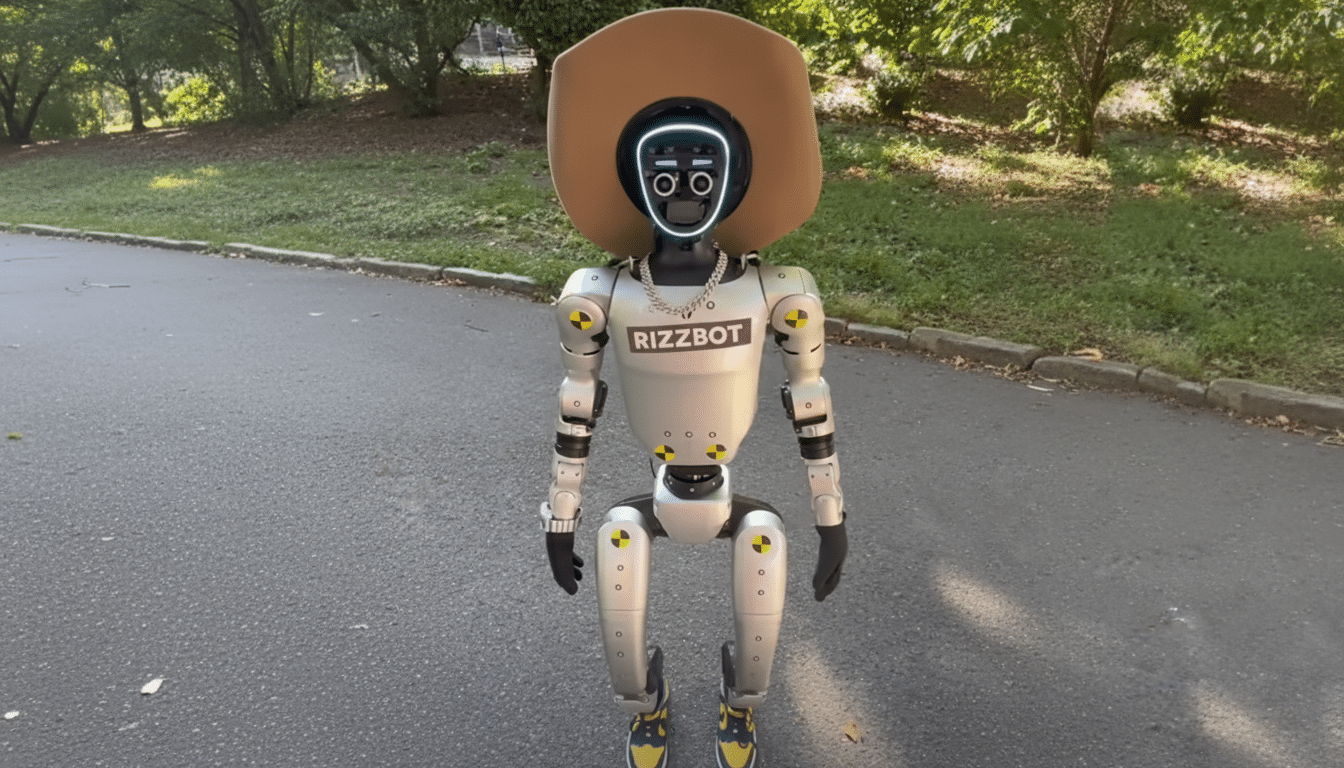
Details of the Lawsuit and Its Purported Damages
Video footage from the livestream shows IShowSpeed hitting the humanoid, putting it in a chokehold, pressing it into a couch, and throwing it to the floor.
Rizzbot’s owner filed a petition for protection against abuse and harassment on behalf of Rizzbot over the incident.
The filing alleges that the robot experienced a “complete loss of functionality” with head cameras that do not operate, dead sensor ports, and weakened mobility that leaves it unstable on its feet.
The lawsuit seeks compensation for physical harm, as well as money the bar lost by no longer having Rizzbot available to perform. The lawsuit follows faltered discussions with the creator’s team over how to make the owner whole, said an attorney for Social Robotics, Joel Levine. In the filing, they claim the streamer did not act as “a careful, reasonable, and prudent” individual when in control of the device.
Rizzbot’s attorneys argue the incident killed momentum at a crucial time. In the month leading up to the livestream, the robot had received about 600 million views on TikTok and 200 million on Instagram, according to the petition. The account was unable to post new content in the next 28 days, and viewership reportedly dropped by more than 70%.
The Stakes for a Viral Robot Influencer in the Creator Economy
Rizzbot is a testament to how, in the emerging world of social robotics, robots can act as full-fledged creators, earning their own brand integrations and appearance fees. The filing lists delayed or canceled opportunities, including planned slots associated with a major network football show and doing a video collaboration with MrBeast — deals that can accelerate outsized reach in a short period of time.
Industry observers like Influencer Marketing Hub and CreatorIQ have documented how creator earnings multiply with attention, trust, and reliability. Payouts are all over the map by niche and geography, but view-driven campaigns often depend on delivery windows and a steady drumbeat of output; an abrupt stop in production can unravel pipeline revenue and chip away at algorithmic traction.
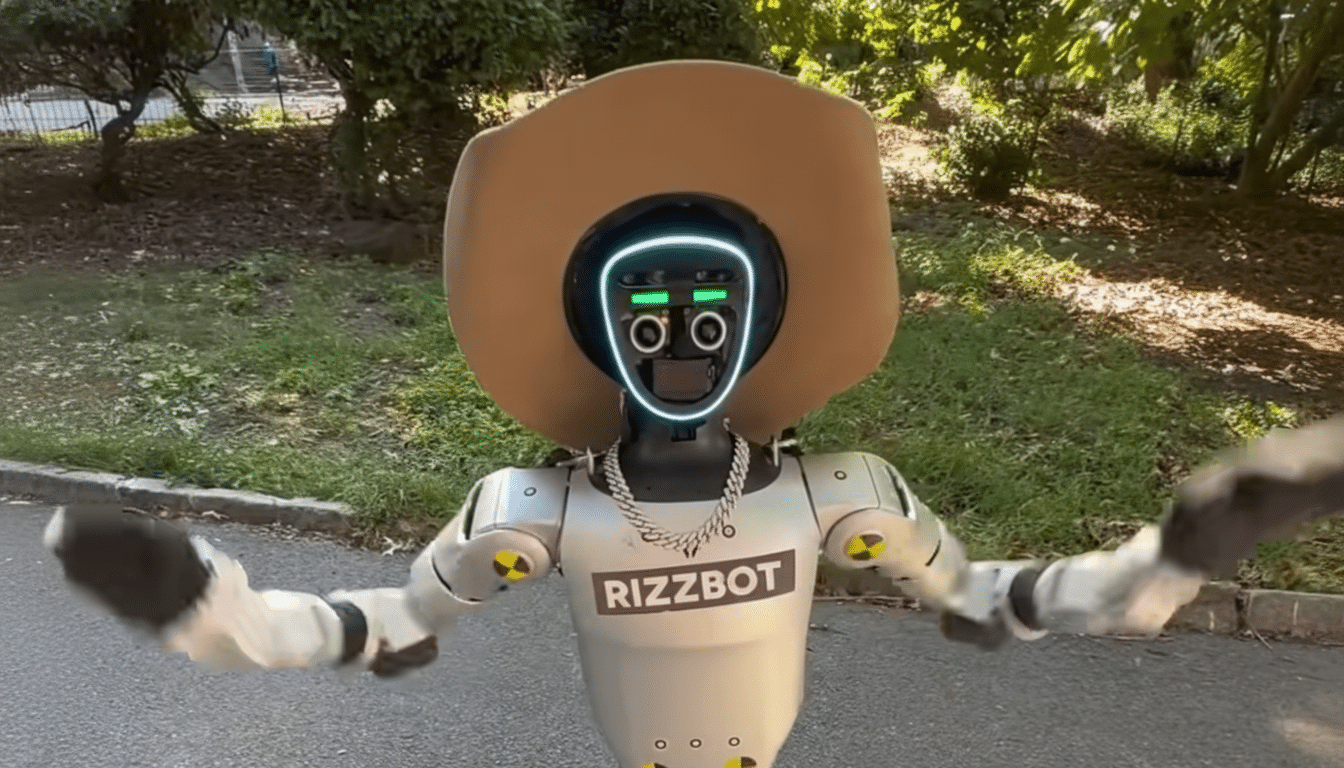
On the hardware side, high-DOF humanoid platforms are expensive to construct and maintain. High-end robots commonly cost six figures, with sensors, actuators, and custom software pushing the price even higher; expensive repairs might involve factory calibration or components that require weeks and a lot more money for commercial deployments.
Where Robotics Meets Liability in Real-World Productions
Robots do not have legal personhood — they are the equivalent of property, specifically equipment, and would be treated like damage to a camera rig or production vehicle. Claims in cases like this, lawyers said, tend to revolve around negligence, conversion, or trespass to chattels — all varieties of interference with a right of possession — and damage calculations would be based on the cost of repair or replacement plus verifiable business injuries like canceled appearances and lost web traffic.
Brands routinely alert consumers that warranty coverage does not include misuse, abuse, or operation outside of guidelines. For creators and studios, the standard range of risk controls — on-set safety briefings, oversight by technical handlers, and documented consent surrounding stunts — is increasingly de rigueur when filming with robotics to limit equipment damage and liability exposure.
Platform Rules and Creator Behavior During Livestreams
Big platforms ban content that glorifies violence or encourages dangerous activity. For example, on YouTube, content that endangers someone’s life is a violation of its community guidelines. And while enforcement is uneven, there are cases when the spontaneity of a livestream can clash with those standards — especially when expensive, complicated machines are involved in the bit.
The incident also highlights a culture clash: a showman who is famous for high-octane theatrics versus a hardware platform that was engineered with delicate sensors, precise gearing, and safety envelopes calibrated for demos, not brawls. As robots invade creator spaces, the match between performance instincts and technical constraints is no longer simply a reputational but also a financial necessity.
What Comes Next in the IShowSpeed and Rizzbot Lawsuit
The case may hinge on video evidence, experts’ opinions as to the condition of the robot, and estimates of lost business. Many of these types of disputes resolve after the exchange of repair estimates and revenue records during discovery. In Rizzbot’s case, recovery might depend on a complete rebuild being able to make its on-camera features and audience rhythm whole again.
IShowSpeed, whose following reaches tens of millions on platforms, has drawn skepticism from brands and fans as the legal process proceeds. For the wider industry, the lawsuit is a cautionary mileage marker: When entertainment meets embodied AI, the costs of crossing a line can escalate rapidly — from broken parts to shattered momentum.
