


The Internal Revenue Service says the current partial government shutdown will not disrupt the 2026 filing season, and taxpayers should file and pay as usual. In a public notice, the agency emphasized that offices remain open, online tools are available, and standard processing continues.
The funding lapse is narrowly confined to the Department of Homeland Security and agencies under its umbrella, leaving the IRS unaffected. That means returns, refunds, and compliance operations proceed on schedule.
- Why the IRS Is Unaffected by the Current Shutdown
- Filing season continues on schedule across the board
- Refund timing and how to avoid processing delays
- Services taxpayers can still use during the shutdown
- What happens if the shutdown widens further
- Beware scams exploiting shutdown headlines
- Bottom line for 2026 filers during the shutdown
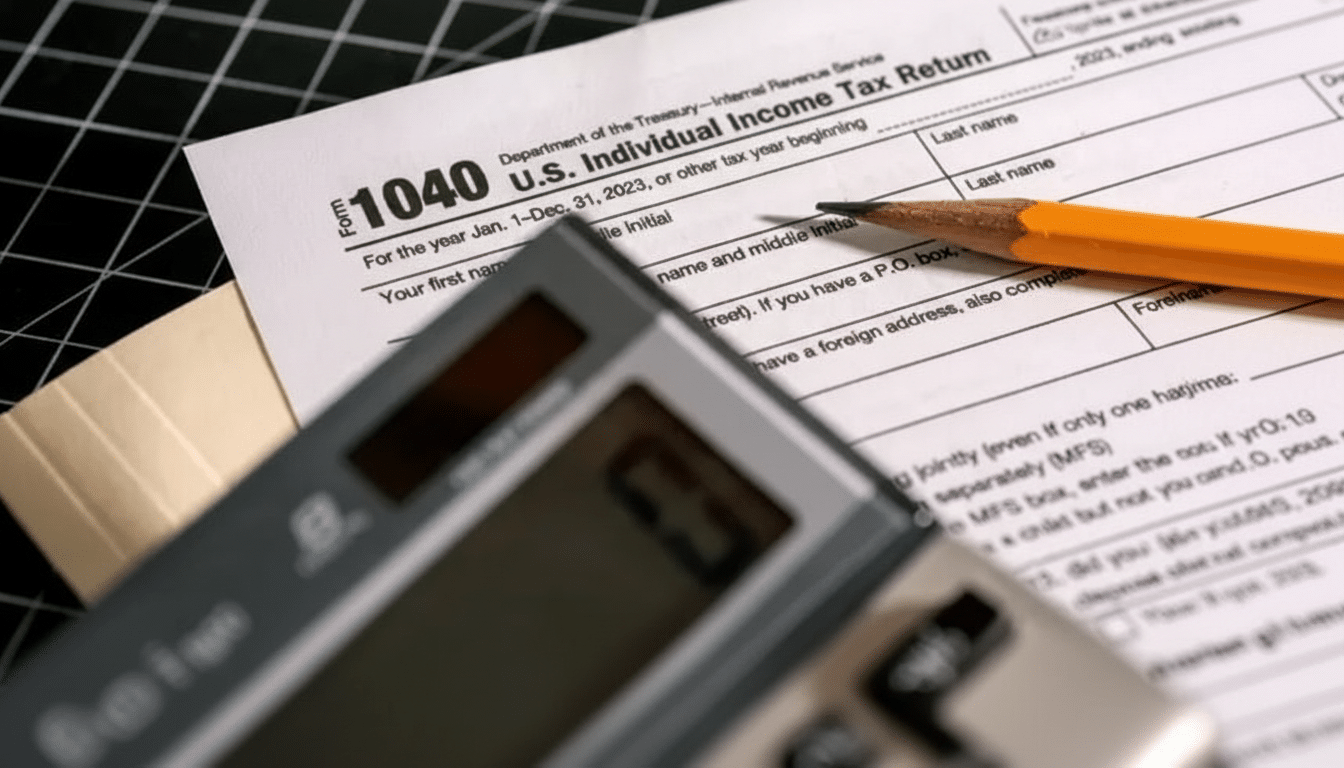
Why the IRS Is Unaffected by the Current Shutdown
Unlike DHS, the IRS is funded through a separate appropriations track and also benefits from multi-year resources dedicated to modernization, according to Treasury and past appropriations documents. Because the current impasse does not touch those lines, IRS operations continue at normal capacity.
The agency reiterated that taxpayers remain responsible for all filing and payment obligations. That includes submitting annual returns, making estimated payments if required, and addressing any notices on time.
Filing season continues on schedule across the board
E-file systems are up, paper returns are being opened and scanned, and call centers are taking inquiries. IRS Taxpayer Assistance Centers are maintaining regular appointments, and the agency’s automated digital tools are live.
For most filers, the fastest path to a refund remains e-filing paired with direct deposit. The IRS reports that 9 in 10 refunds for accurately filed electronic returns are issued within 21 days, a benchmark that has held steady across recent filing seasons.
Refund timing and how to avoid processing delays
Choose direct deposit and ensure your bank information is correct. A recent federal directive prioritizes electronic payments across agencies, and paper checks can take longer because of additional verification steps.
File a complete and accurate return. Mismatches with wage data, identity verification issues, or claims for certain refundable credits can trigger extra reviews. The IRS “Where’s My Refund?” tool updates once daily and is the best way to track status without calling.
If you cannot provide bank details, the IRS will request them or a brief explanation before issuing a paper check. If there’s no response and no issues with the return, a check is typically mailed after a waiting period, which can extend overall timelines.
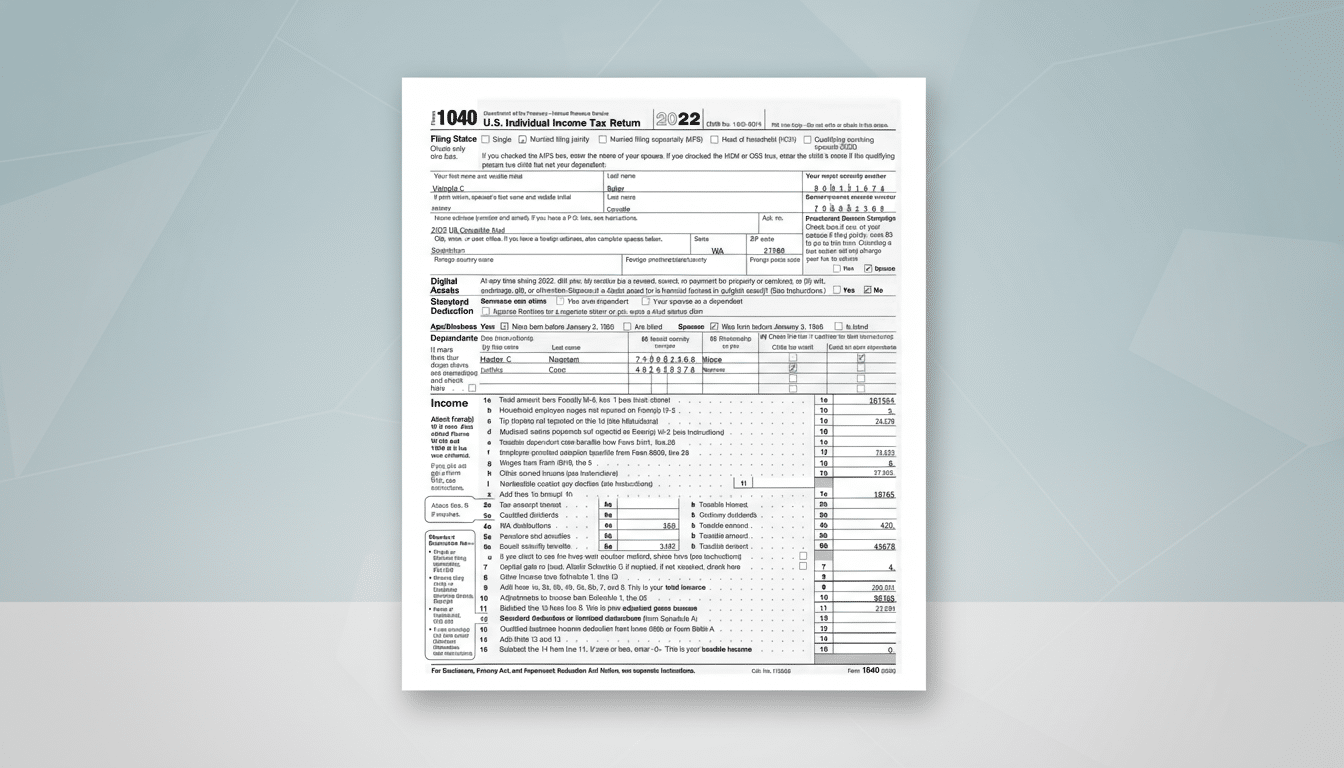
Services taxpayers can still use during the shutdown
Free File remains available to eligible taxpayers through IRS-partnered software providers, and free online fillable forms support self-prepared returns. The agency’s identity verification and transcript tools are operating, along with appointment scheduling for in-person help.
Volunteer Income Tax Assistance and Tax Counseling for the Elderly programs continue to serve qualifying filers. These community-based services are supported by longstanding IRS grants and partnerships.
Tax professionals report normal e-file transmissions and acknowledgments, and the American Institute of CPAs notes that routine practitioner services are accessible. The National Taxpayer Advocate’s office also remains open for eligible hardship cases.
What happens if the shutdown widens further
This shutdown does not cover the IRS. If a future lapse were to hit the agency’s appropriations, it would activate a contingency plan that prioritizes critical functions like electronic processing and safeguarding payments, as outlined in past IRS shutdown plans and oversight reports from the Treasury Inspector General for Tax Administration.
Even in prior full shutdown scenarios, e-filed returns and automated systems typically remained operational, though live assistance and some paper processing slowed. None of those restrictions apply today.
Beware scams exploiting shutdown headlines
Periods of uncertainty invite scams. The IRS will never demand immediate payment by gift card, cryptocurrency, or wire, and it does not initiate contact via unsolicited text or social media messages. If you receive a suspicious request tied to the shutdown, report it to the IRS and the Federal Trade Commission.
Use official IRS channels for refund status, transcript requests, and payment arrangements. Confirm identities before sharing personal data, and consider an Identity Protection PIN if you’ve experienced fraud risks.
Bottom line for 2026 filers during the shutdown
The IRS is open, returns are being processed, and refunds are moving. File electronically, opt for direct deposit, and rely on official IRS tools. The shutdown may dominate headlines elsewhere in Washington, but for taxpayers, the 2026 filing season is running on time.
