


iRobot, the maker of Roomba robot vacuum cleaners, has filed for Chapter 11 bankruptcy and will sell to its biggest manufacturing partners but continue to operate and uphold customer warranties. The big question for the millions of households that have Roombas seems simple: What now becomes of your robot?
What Chapter 11 Means for Roomba Buyers and Owners
Chapter 11 is a reorganization, not a liquidation. The company said in filings in Delaware and statements that were first reported by major tech outlets that it intends — after an unconventional blitz of lawsuits, cyberattacks, eviction notices from WeWork, and a standoff with its reconsidered suitor — to continue operating as it seeks to restructure its balance sheet. The deal would see iRobot go private under new owners that include the company’s core manufacturing partners, put together under a blended entity named Picea.
- What Chapter 11 Means for Roomba Buyers and Owners
- Will Your Roomba App and Mapping Features Still Work
- Warranty Repairs and Parts Distribution for Roomba
- Software Updates and Privacy Commitments for Users
- Why iRobot Reached This Point and Filed for Chapter 11
- What to Watch Next for Consumers and Roomba Owners
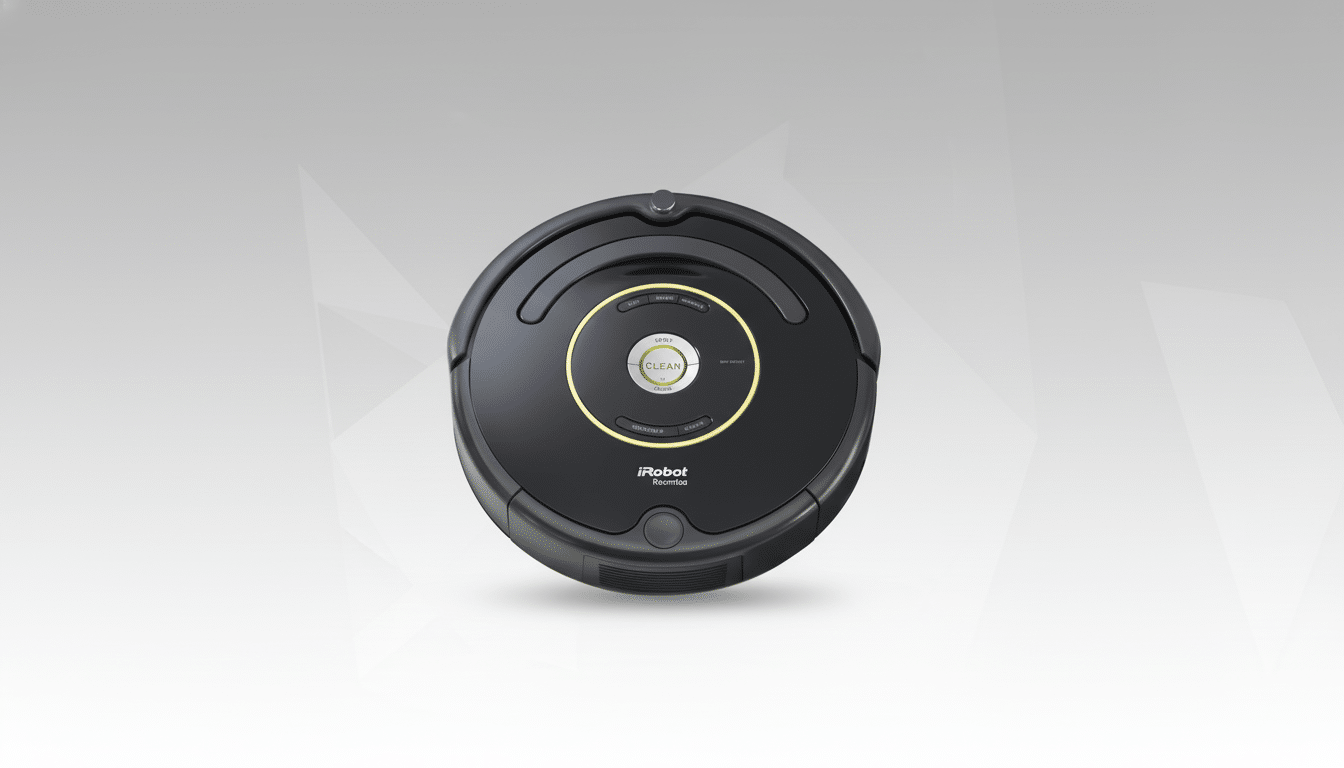
For customers, iRobot says day-to-day use should not be affected. And that’s not just counting device features, the companion app, customer programs, partnerships, supply chain relationships, and product support. In simpler terms: Your Roomba keeps cleaning, your app keeps scheduling, and your support contacts remain as is during the court review and approval of the transition.
Will Your Roomba App and Mapping Features Still Work
Roombas depend on cloud services for features such as smart mapping, scheduling, and firmware updates. The company says those services will not be affected. So your saved maps, no-go zones, and custom routines should still be there, and over-the-air updates for models like the j7, s9, and Combo series are set to continue.
Voice integrations are also anticipated to remain in vogue. Roomba integration with popular assistants and routines should still work as long as those third-party platforms maintain APIs — they all do, right? There’s no sign of any immediate changes to smart home integration.
Warranty Repairs and Parts Distribution for Roomba
Warranties and ongoing service generally are unaffected when a company reorganizes under Chapter 11, the part of United States bankruptcy law that iRobot is using, and iRobot said support programs for customers will continue.
In the United States, successors are usually considered to “step into the shoes” of their predecessors and become liable for warranty obligations (and there are consumer protections under statutes such as the Magnuson-Moss Warranty Act).
Replacement brushes, filters, batteries, and Clean Base bags should continue to be offered for sale, aided by monetary support from iRobot’s new owners — the very manufacturers supplying iRobot’s hardware. Repair depots and authorized parts distribution channels should continue normally during the court process, the company said.
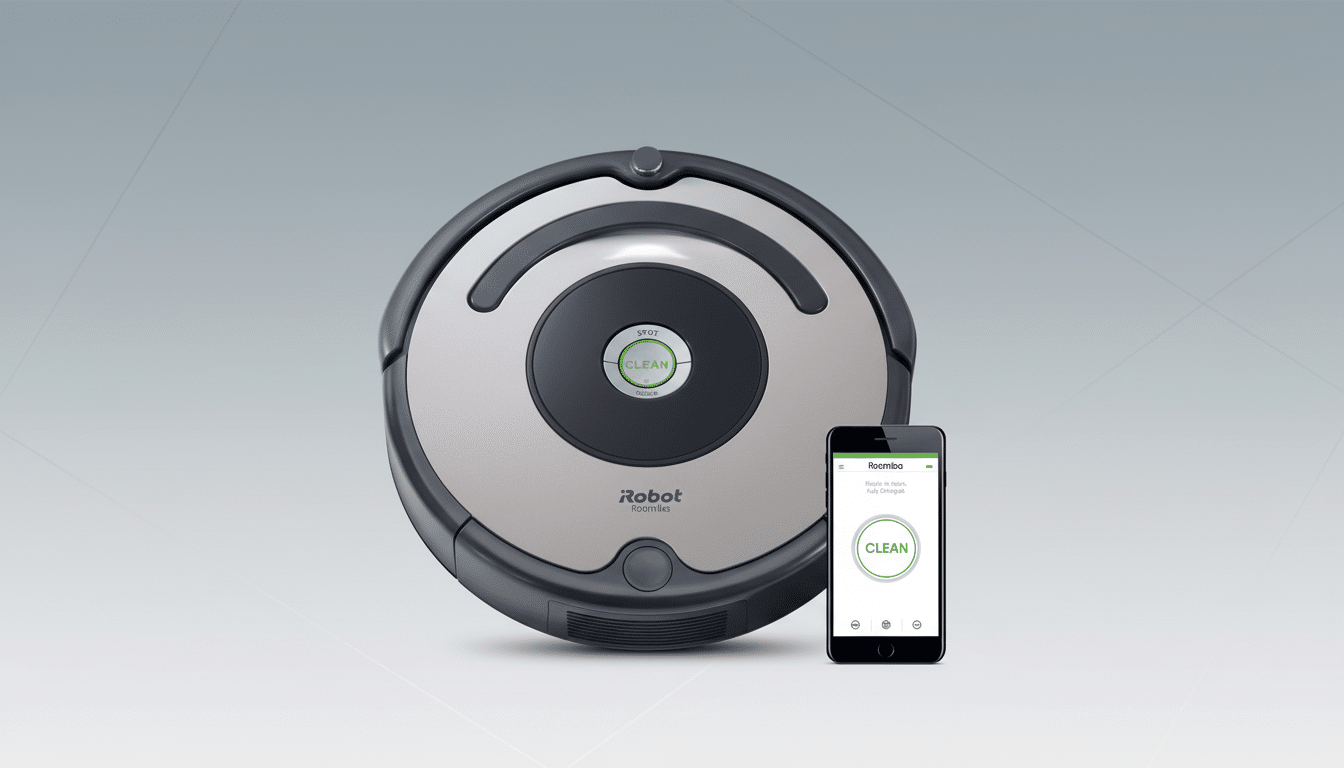
Software Updates and Privacy Commitments for Users
iRobot says that it is pressing ahead with its product roadmap under new ownership, which should mean firmware and app updates continue for current models. Security patches and feature refinements have been a regular cadence for Roomba, and there’s no indication that will change because of the reorganization.
Don’t expect privacy policies to change right away, but it’s smart to watch out for new disclosures once the deal is finalized. Companies have to let users know — in many jurisdictions, in the form of choices — if ownership changes or data handling practices change significantly. In the meantime, any server-side data and your account should stay intact.
Why iRobot Reached This Point and Filed for Chapter 11
The change comes after a rough patch for the company. Its would-be savior in the form of a proposed $1.7 billion acquisition by Amazon was scuttled after European regulators raised antitrust issues, taking away the prospect for capital and strategic cover. In its earnings commentary, iRobot also blamed weak consumer demand, production delays, and shipping disruptions for revenue falling below internal expectations.
Competition has increased as Chinese brands went global with aggressive pricing and fast feature cycles. Industry trackers say that players like Roborock and Ecovacs competed on high-end lidar mapping, self-emptying docks, and mop-vac hybrids. That’s squeezed margins and raised the stakes on R&D spending — tough to do when sales are choppy and inventory costs higher.
As part of the deal, iRobot will delist from public markets and operate privately under Picea, a move that the company says will provide it with “the runway needed to stabilize its finances and invest in next-generation robotics and smart home features.”
What to Watch Next for Consumers and Roomba Owners
For the time being, you can continue to use your Roomba as usual. Save your receipt and look up your model’s warranty status in the app or support portal. And if you’ve been thinking about picking up accessories or a new model but were waiting for some kind of signal before doing so, there’s not much reason to wait; supply looks safe in light of the manufacturing tie-up with the new owners.
The key things to look for will be final court approval of the restructuring plan, confirmation that support policies won’t change under new ownership, and continued software updates. So long as those boxes are checked, most owners won’t notice anything beyond the headline — their robot keeps doing the chores while the business changes hands behind the scenes.
