


The company that makes the Roomba robot vacuum, iRobot, has filed for Chapter 11 bankruptcy protection in Delaware and will reemerge as a private entity after being sold off to its main manufacturer, China’s Picea Robotics.
The immediate message for existing Roomba owners is simple: your robot and app should keep going as normal while the reorganization proceeds.
- What iRobot’s bankruptcy means for your Roomba right now
- Warranties, repairs, and parts for Roomba owners
- Subscriptions, apps, and your data during bankruptcy
- Why iRobot ended up in bankruptcy and what drove it
- What the Picea Robotics deal could change
- Bottom line for current owners and prospective shoppers
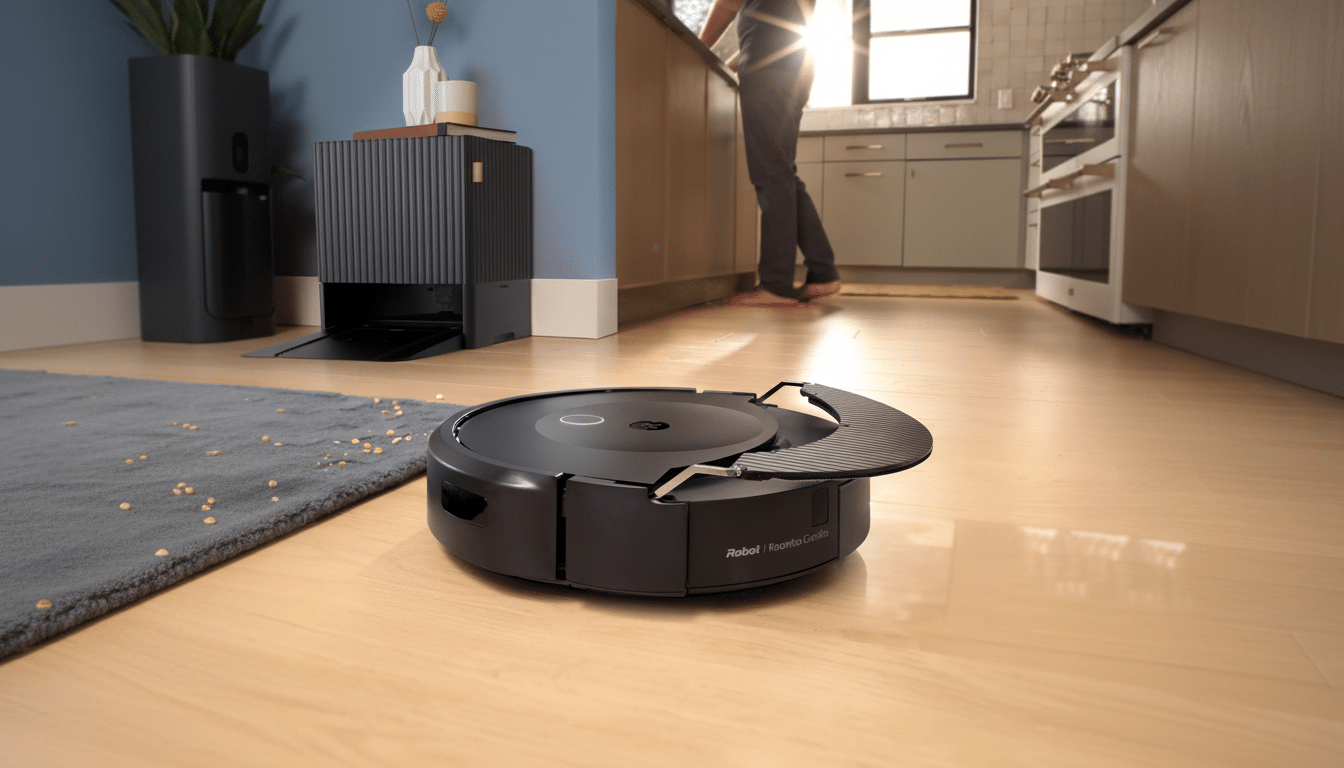
What iRobot’s bankruptcy means for your Roomba right now
iRobot has said the company’s day-to-day business will run during Chapter 11 with no expected interruption to how its app works, as well as customer programs, global partners and supply chain relationships, or product support. The company has said the court-supervised process could extend into 2026, and during that time, it intends to keep services online.
Your Roomba can start, stop, and return to dock from the on-board button even if it does not have internet access. Cloud-based services are used for app-based features — spot or zone cleaning, scheduling, map editing, and voice assistant integrations. iRobot says those services are still active, so your current maps and routines should remain untouched.
If you need assistance, iRobot’s customer support and firmware patches will reportedly remain in operation while the company is under court protection. That includes software patches, advice on getting spare parts, and help troubleshooting common problems, like navigation hiccups or battery health.
Warranties, repairs, and parts for Roomba owners
During Chapter 11, companies generally go on maintaining warranties and making repairs. iRobot has said it will continue to run in the ordinary course of business, including its service obligations. If you bought an extended warranty from a retailer or a credit card company, those are contracts with third parties and should remain in effect; keep receipts (you may need to provide them as proof of purchase) and the serial number, if applicable, available to prevent any issues with claims.
Consumables — filters, side brushes, rollers, and bags — are widely available from iRobot and third-party manufacturers. Batteries and high-wear parts for the main Roomba series (i, j, s, and early 600/900 models) are widespread in the aftermarket, and repair communities have recorded hundreds of fixes. Owners should be able to get routine parts even if a worst-case scenario of slower official logistics occurs.
Subscriptions, apps, and your data during bankruptcy
Some customers are involved in using iRobot’s hardware membership pilots or accessory plans in specific test markets. Those programs are expected to continue billing and paying benefits while they restructure. Grabbing purchase records and saving device maps and settings in-app is a good idea. iRobot says customer programs and app features will keep working, and privacy promises are to be governed by existing policies.
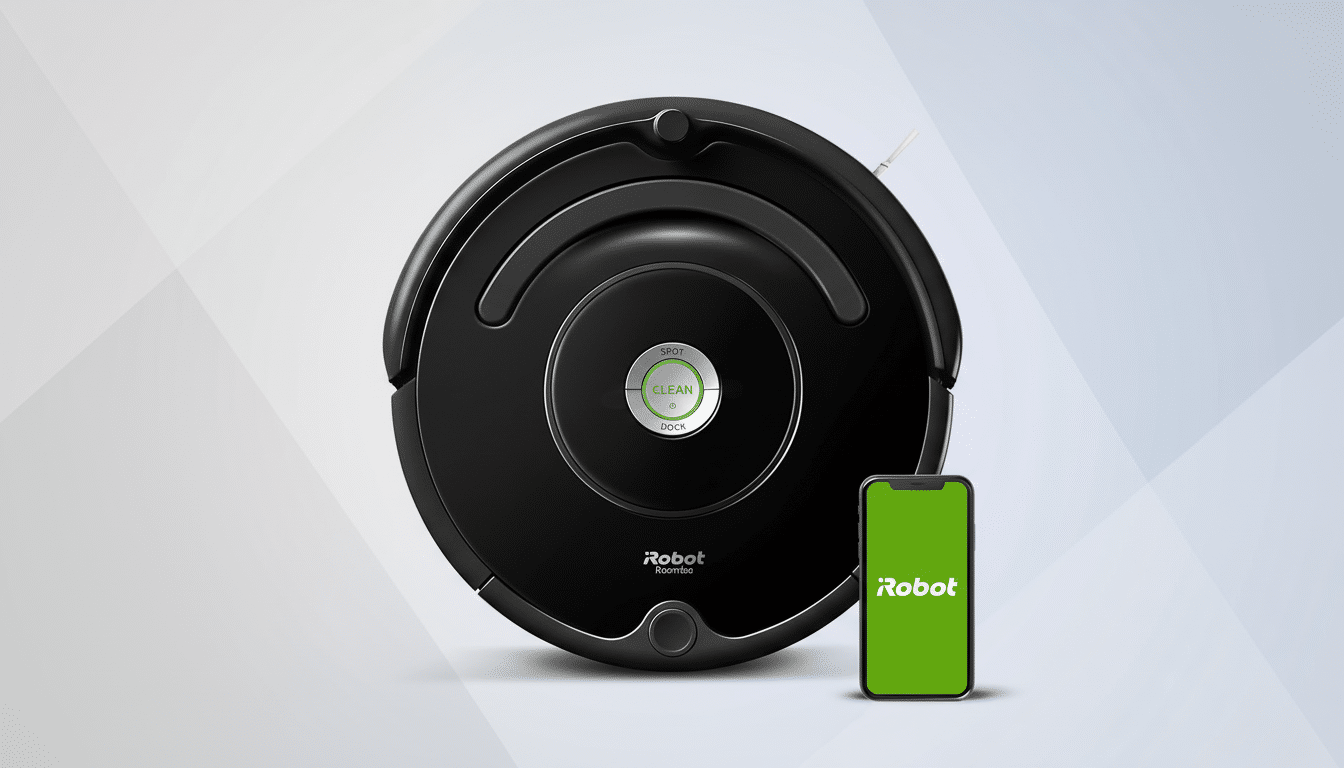
Today, if you count on smart-home integrations, nothing changes. Voice commands should work along with routines on platforms such as Amazon while cloud services are up. If you’re a belt-and-suspenders type, there’s nothing to stop you from creating a few offline cleaning routines based on the device button or scheduling them in the app itself so that your vacuum remains useful even when it’s not connected to your network.
Why iRobot ended up in bankruptcy and what drove it
iRobot has been enduring margin pressure that’s resulted from cheap rivals like Ecovacs and Roborock, as well as having premium competitors pushing through innovation at a faster pace in mapping, mopping, and self-emptying docks. Reuters has also reported that tariffs were already having a material impact on iRobot’s US business, with certain imports being hit by levies of up to 46% in recent years.
The company’s agreed sale to Amazon collapsed after European competition authorities indicated that they would block the deal. Without that lifeline, and in the face of weaker consumer electronics demand, iRobot’s revenue and profits had slipped. iRobot’s market value was trading around $3.56 billion at its peak in 2021, according to LSEG data cited by Reuters, versus about $140 million more recently — a painful reset for a category pioneer that grew out of MIT’s robotics program in 1990.
What the Picea Robotics deal could change
iRobot would be taken private in a sale to Picea Robotics after the Chapter 11 process, pending court and regulatory approvals. Picea already makes iRobot products, and a tie-up could insulate production costs and simplify the supply chain. It might also free up iRobot to invest more in software, autonomy, and premium features rather than juggling all that with capital-intensive hardware.
Still, any cross-border purchase of consumer robots is bound to invite regulatory attention around data handling and supply chain interdependencies. The deal is structured to bolster iRobot’s financial position and give consumers, partners, and employees a sense of stability as the company moves forward with its Roomba roadmap, iRobot said.
Bottom line for current owners and prospective shoppers
If you have a Roomba, keep using it — nothing really changes today, and support is likely to continue as the lawsuits play out. Keep your proof of purchase, warranty information, and maybe stock up on common consumables if you want more peace of mind.
If you’re shopping, this season could also yield aggressive discounts as iRobot fights for shelf space against competitors. Your robot is not likely to become a “paperweight” in the near term, given that the company says it plans to keep app and cloud services running as it goes through Chapter 11. As ever, balance features and price across the landscape — and remember that basic cleaning, app-dependent robots or no, still comes from the device itself if connectivity stumbles.
