


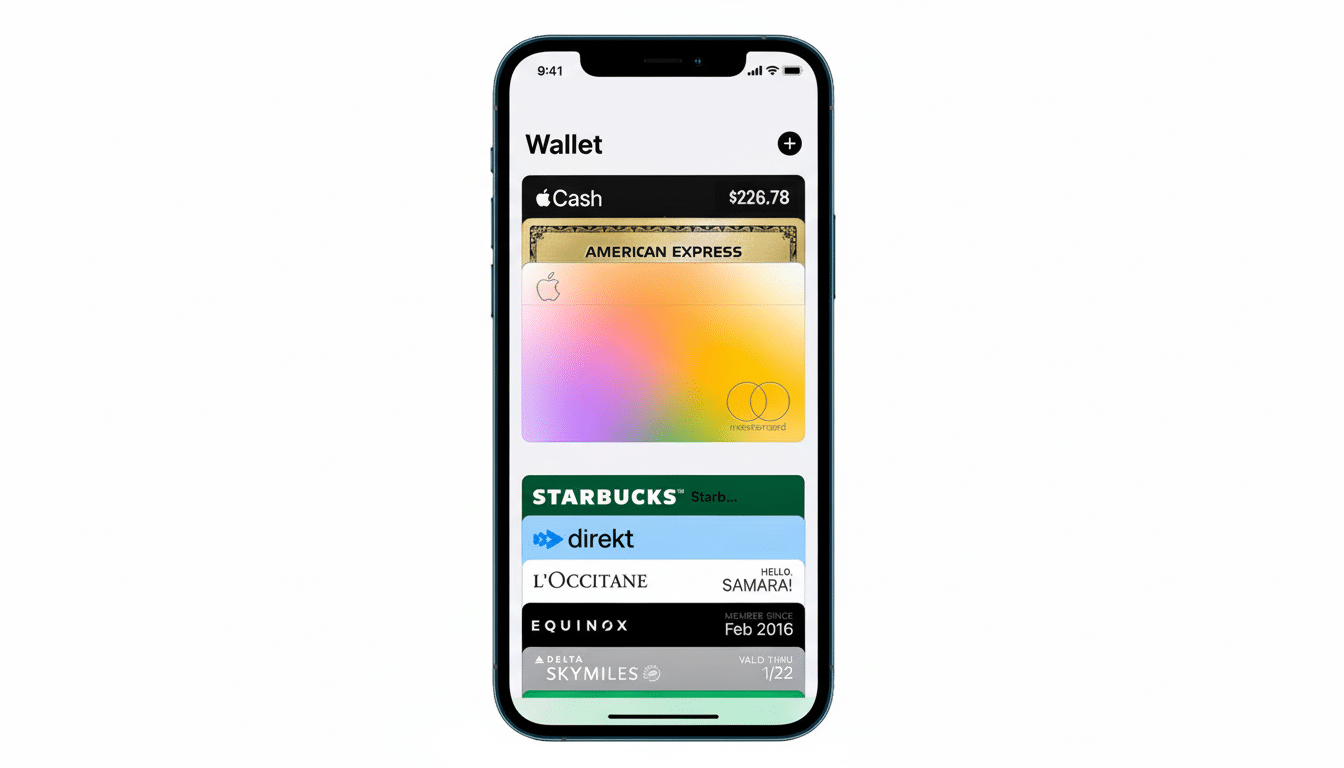
Apple’s proposal for U.S. passport holders to store a secure, verifiable passport credential in the iPhone Wallet did not make it into the first iOS 26 release, but Apple now says that feature will come to U.S. users before year-end. The launch will be gradual, involving only certain locations and use cases in the beginning and not yet replacing a physical passport.
What Changed in Apple’s Rollout and Timing Details
The passport part was expected to be released with iOS 26 but was not in the initial release. Apple quietly updated product pages to inform customers that support is coming down the road, and it’s limited in scope for now — allowing support only for U.S. passports initially. Developer build notes also indicate the feature will come through a point update or server-side activation and not a full OS revision.
Industry observers note that Apple’s phased rollout of earlier Wallet IDs — availability generally requiring readiness on the agency side and the manufacture of reader hardware — is a major factor in its taking it slow. That’s similar to how state IDs and driver’s licenses rolled out in Wallet: in a few states gradually.
What It Will Look Like at Airports and TSA Lanes
Apple’s digital passport credential would be used for identity verification at select Transportation Security Administration checkpoints, most notably those where the TSA’s digital ID program is operating with CAT-2 readers. At these lanes, passengers are supposed to be able to present their iPhone to a reader, approve the data on the device, and pass through without giving it over to an agent.
TSA currently allows digital ID use at 27 or so airports around the country, representing states including Arizona, California, Colorado, Georgia, Iowa, and Maryland, and others — not to mention Puerto Rico. Acceptance is clearly indicated by signage at participating checkpoints, and it generally requires having TSA PreCheck for the easiest possible experience.
Apple has suggested broader uses outside air travel — identity verification for services that require KYC checks like some financial services, car rentals, or age-restricted purchases. But use beyond airports will vary by provider compliance and technical integration.
Security, Privacy and the Standards that Make It All Work
Apple’s design is like a sandwich cookie — Wallet on the server side, with the Secure Element at one layer and on-device biometric verification using Face ID at another signed credentials cutout, which helps limit users’ exposure of personal data. “This ensures that we maintain full privacy, and it’s great if you have sensitive information in your identity document,” the company said, adding that selective disclosure — sharing only the requested fields and only with user approval — would work similar to state IDs in Wallet today.
The feature, under the hood, falls in line with global and U.S. digital ID frameworks. The ICAO Digital Travel Credential model prescribes the way passport data can be harvested and signed off for contactless checks, while ISO/IEC 18013-5 underpins mobile ID operations including QR, NFC, or Bluetooth Low Energy transactions. U.S. agencies also cross-reference NIST guidance on identity assurance, for high confidence issuance and verification.
Crucially, the digital passport in Wallet is a supplement — not a replacement — for the physical booklet. Federal guidance is clear: You need to have a physical passport with you when traveling and crossing borders. The Wallet version is intended to make identity checks faster where digital credentials are accepted, but it will not replace the underlying document.
Why It’s Not in iOS 26 — and What That Means
There is more to digital identity rollouts than a switch of OS. They need agency policy harmonization, back-end issuance systems, reader hardware, and training throughout the airports. The Department of Homeland Security and TSA have been broadening pilots around the country with the digital ID, but scaling it nationally means working through procurement and certification calendars that often don’t align with a new iOS release.
Apple has also crippled the software in other ways (i.e., with region and device generation and trust framework gating of features). Be prepared for support on relatively recent iPhones with the Secure Enclave, but available only to travelers who can successfully provision their credential using identity proofing steps that satisfy federal requirements.
What Travelers Can Expect Next at TSA and Beyond
When the feature is toggled on, certain U.S. passport holders will be able to add a digital passport credential to Wallet after an enrollment process that involves document verification and biometric screening. The early use will focus on TSA lanes that already have mobile-supporting IDs, with more airports and the types of use cases expanding in the future.
Pro tip: have your real passport, look for TSA signs regarding acceptance of digital IDs, and be ready for a selective rollout by individual airports and airlines.
If you have CLEAR or TSA PreCheck, keep an eye out for more guidance from those programs as reader coverage widens.
The bottom line: the feature has missed the first iOS 26 train, but Apple’s new guidance suggests a U.S. debut by the end of this year. And it’s a concrete step toward digital travel credentials for the masses — executed at the pace of aviation security, not app updates.
