


Apple’s flagship iPhone just closed its strongest quarter on record, a performance that reset the high‑water mark for the category and underscored the device’s outsize role in the company’s results. Record demand across regions pushed iPhone revenue to a new peak, even as the broader smartphone market continues a gradual recovery.
According to Apple’s latest earnings report and investor call, iPhone sales surged to $85 billion for the quarter, up from $69 billion in the same period a year ago. Chief executive Tim Cook told investors that iPhone set all‑time records in every geography, calling out unprecedented demand for the latest lineup. The result cements iPhone’s status as Apple’s primary growth engine heading into the new year.
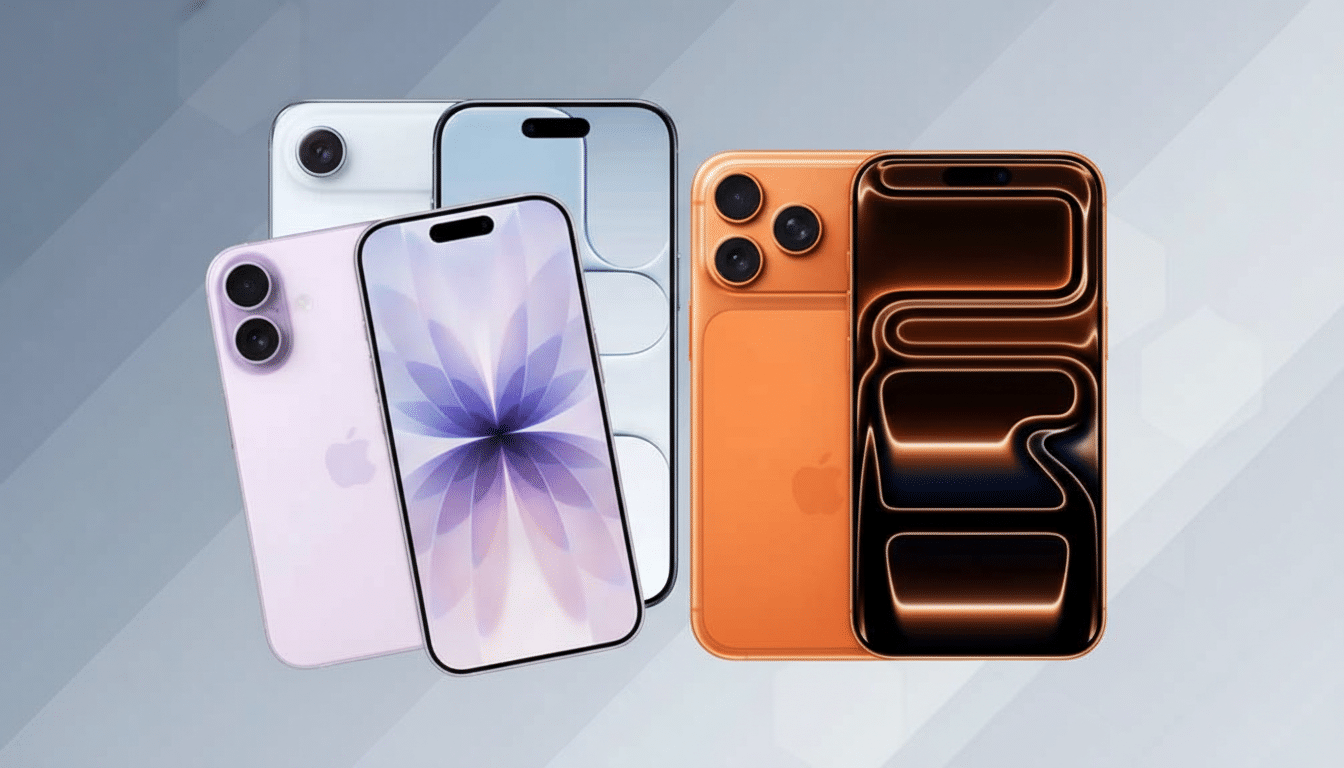
China and India Propel the iPhone Upswing
Greater China was a standout. Apple reported regional revenue of $25.5 billion, up sharply from $18.5 billion a year earlier, and said the quarter marked the best iPhone performance in the region’s history. Store traffic grew at a strong double‑digit clip year over year, Cook noted, pointing to momentum for the iPhone 17 family and a healthier retail environment. That combination—enthusiasm for new hardware and fuller shelves—translated into record‑setting sell‑through.
India also delivered a milestone quarter. Apple said it set a new quarterly revenue record there, with iPhone, Mac, iPad, and services all reaching highs. Cook highlighted India’s strategic importance, describing it as the second‑largest smartphone market and the fourth‑largest PC market globally. Industry observers point to Apple’s expanding retail footprint and deeper local assembly as tailwinds that are reducing friction on both supply and pricing, helping the brand move beyond its urban strongholds.
What Powered the iPhone Surge This Quarter
Three factors appear to have driven the spike.
- A fresh upgrade cycle around the iPhone 17 lineup—particularly higher‑end models—likely lifted the average selling price as buyers opted for advanced cameras, performance gains, and longer battery life.
- Aggressive trade‑in values and installment plans across major markets lowered the effective cost of upgrading.
- Supply chain normalization meant Apple could meet peak‑season demand, a key constraint in past holiday quarters.
Research firms such as Counterpoint Research and IDC have signaled improving momentum in the premium smartphone tier even as overall shipments stabilize. That mix shift benefits Apple disproportionately. In China, in particular, Apple’s retail traffic and revenue data suggest renewed competitiveness amid intense local rivalry, with marketing, channel promotions, and in‑store financing playing visible roles in conversion.
Ripple Effects Across Apple’s Broader Business
Strength in iPhone reverberated across Apple’s regions. The Americas climbed to $58.5 billion from $52.6 billion a year ago, while Europe rose to $38.1 billion from $33.8 billion, according to Apple’s filing. Beyond hardware, every new iPhone placed in the market deepens engagement with services—from iCloud and Apple Music to the App Store—which typically see uplift as the active device base expands. Cook also flagged an all‑time services revenue record in India, a data point that tracks with the broader installed‑base effect.
Operationally, Apple appears to be benefiting from tighter coordination with manufacturing partners and a more resilient logistics network. Shorter lead times for popular configurations reduced missed sales during the holiday window, while a wider channel inventory buffer ensured retail shelves stayed stocked in fast‑moving markets.
Key Metrics to Watch Next for iPhone Performance
Heading into the next quarter, the sustainability of this surge will hinge on a few variables:
- The Pro model mix and average selling prices
- Upgrade intent among owners of older devices
- Competitive intensity in China
- Foreign exchange swings and macro conditions, which could add noise to reported growth even if unit demand holds steady
- The balance between trade‑in incentives and margins; richer promotions can stimulate volume but compress profitability if not offset by mix
For now, the takeaway is straightforward: the iPhone just delivered its best quarter ever, buoyed by a combination of compelling hardware, attractive financing, and execution in critical markets. If Apple can maintain this cadence as the upgrade cycle broadens, the company’s most important product looks set to remain firmly at the center of its growth story.
