


I made Apple’s new iPhone 17 Pro Max duke it out with Google’s Pixel 10 Pro XL in a straightforward flagship showdown, looking at performance, cameras, AI, and more or less everything else: displays, battery life, and long-term value. These are the phones you’ll find creators buying, power users iterating over, and everyone else judging by.
In the short explanation: Both are great, but they’re driving in different lanes. After weeks of comparisons, one had the superior package for most people.
- Performance, sustained speed, and thermal management
- Cameras and video quality for creators and casual users
- AI features, software polish, and everyday usability
- Display quality, battery endurance, and charging speeds
- Storage options, pricing tiers, and long-term longevity
- Final verdict: which flagship is better for most buyers
Performance, sustained speed, and thermal management
Apple’s A19 Pro shows itself to be a brute when it comes to sustained workloads. Apple’s own briefings would seem to suggest about 40% improved sustained performance over last year, and a new vapor-chamber design that helps the phone sustain its peak speeds for longer without throttling.
On the Android side of things, Google’s new Tensor is all about AI throughput and efficiency. For everyday use, it feels blisteringly quick, although in CPU- and GPU-heavy tasks, standalone suites such as Geekbench from Primate Labs and 3DMark by UL Solutions (formerly Futuremark) usually show Apple leading on single-core punch and long-run stability.
Cameras and video quality for creators and casual users
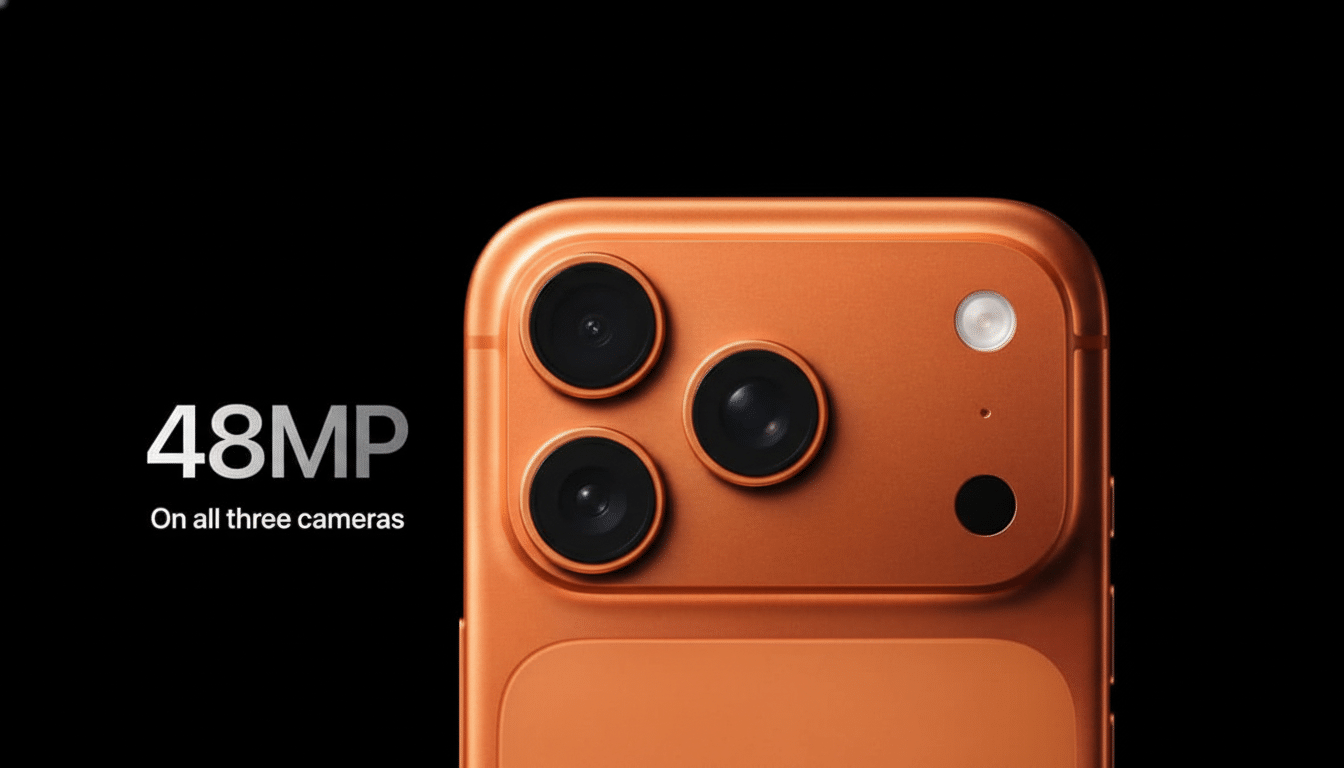
For video, the iPhone 17 Pro Max is the best of them. It’s very pro in the line sense, which means you’re not lumbered with highly processed, ‘look included’ footage that slots clumsily into high-end editors. The broader front camera view, made possible by a new square sensor, is a small but significant victory for creators.
The best shooter for stills is the Pixel 10 Pro XL. Google’s triple-lens setup relies on a long stack of computational skills, from the new Super Res Zoom (which restores detail at distance) to Auto Best Take that melds facial expressions. It’s the type of phone that saves spotty shots, and labs like DxOMark have always given Pixels high marks for this reason.
In practice, cityscape zooms and candid portraits tell the story: the Pixel frequently serves up crisper-looking edges and flattering skin tones without so much effort; the iPhone dishes out cleaner video motion, more accurate color in mixed lighting, and files pros prefer to edit.
AI features, software polish, and everyday usability
Google’s new features blast open doors to usefulness. Magic Cue pulls up context from messages, reservations, and travel details to generate replies and take actions, and generative editorials still walk a narrow line between assistive and overbearing. It feels smart without shouting.
Apple’s iOS 26 doubles down on fluidity with the Liquid Glass look. It’s chic, though some early testers have raised complaints about contrast, particularly in bright light. Apple’s on-device privacy position continues to be a point of distinction, and the iPhone still has the widest bench when it comes to camera, music, and editing apps.
Display quality, battery endurance, and charging speeds
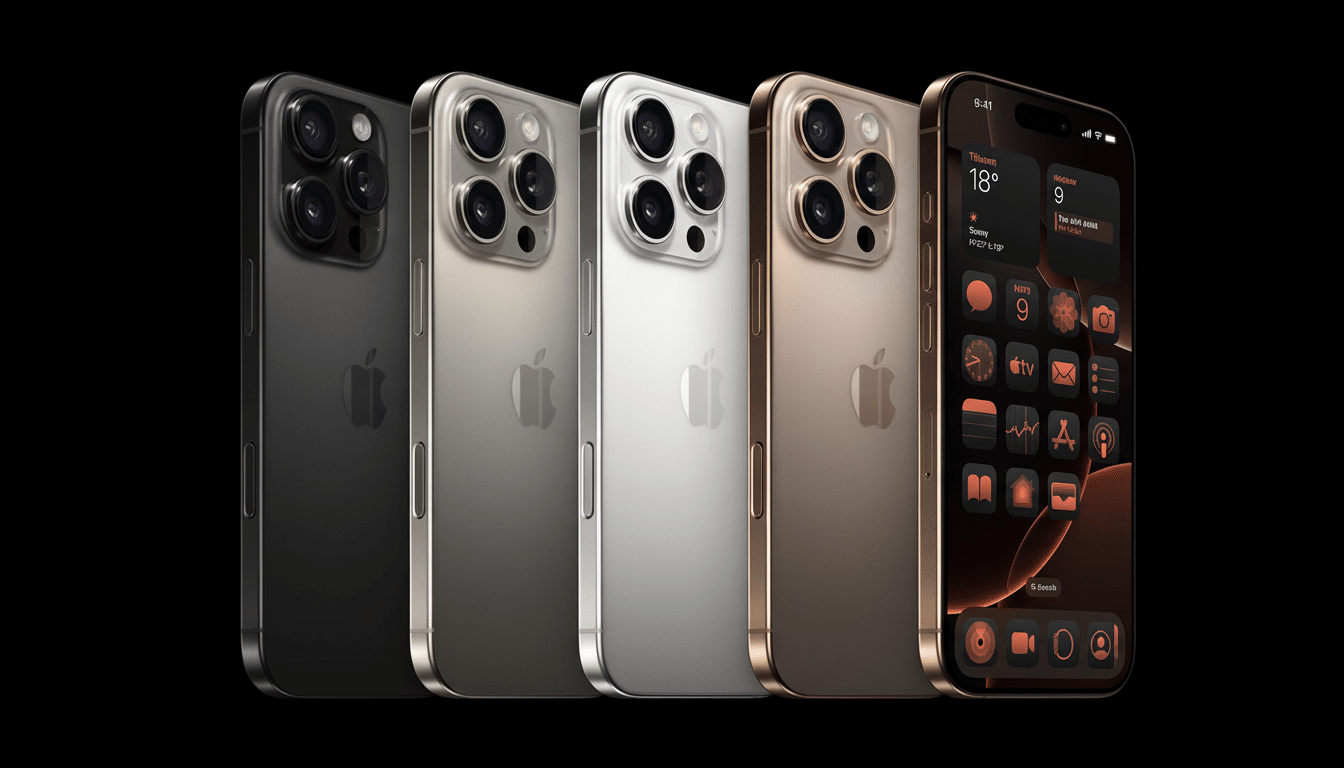
Both have LTPO OLED panels that can adapt to refresh rates up to 120Hz, and both are great for outdoor use. Why? Because vendors like DisplayMate have consistently given top marks to Apple and Google flagships, and there is nothing here that breaks that history.
If heavy use is taking place, battery life favors Apple. And under top-level performance pressure, the iPhone’s thermal design helps keep it from experiencing the kind of performance dip that can lead to high rates of droop while gaming, 4K capture, or navigation. The Pixel’s daylong endurance and generally faster wired charging are competitive, while Apple’s charge management tends to lengthen the lifespan of the battery on a longer-term basis, something Consumer Reports previously ranked as a potential factor for happiness with ownership.
Storage options, pricing tiers, and long-term longevity
The 17 Pro Max now can be had in a spacious 2TB tier, and can cost you nearly two grand when all is said and done. It’s extreme overkill for most, but a genuine boon to people shooting pro-grade video in the field.
Google caps out at 1TB, which is still more than enough for some photos and offline media.
Back and forth support timelines are both strong right now. Apple’s iPhones get at least five years of major updates, often much more, and Google has promised substantial OS to security coverage for recent Pixels — and we are anticipating that will continue. Analysts at Counterpoint Research have found that when it comes to resale, iPhones retain their value better, a plus if you’re sensitive about the cost of upgrades.
Final verdict: which flagship is better for most buyers
If you’re after the smartest camera that saves tricky shots and a thoughtful layer of assistive AI, then the Pixel 10 Pro XL is superb. Its focus-and-shoot predictability and quality-of-light aids will delight casual shutterbugs.
For most people looking to buy, however, the iPhone 17 Pro Max is the better all-around flagship. It has an edge with sustained performance, pro video capture, thermal control, storage flexibility, large app ecosystem depth, and long-term value. Winner: iPhone 17 Pro Max.
