


IP69-rated smartphones have landed quite late to the party on mainstream spec sheets, with a couple of these hulking devices now emblazoned with their ‘rugged’ badge boasts over and above old-fashioned IP68 certifications. That may sound like a huge leap forward for longevity, but industry standards and real-world experience suggest this is an upgrade most people can safely ignore.
What IP69 Actually Tests and How It Differs From IP68
Ingress Protection ratings are established by standards organizations such as IEC 60529 and the automotive industry–specific ISO 20653. The first digit (up to 6) refers to dust; the second digit (up to 9) to water. Most flagship phones already achieve 6 for dust and 7 or even 8 for water, with IP68 always referring to being able to be submerged at certain depths for a controlled time.
- What IP69 Actually Tests and How It Differs From IP68
- Why It Doesn’t Help You Day to Day for Most Users
- The Trade-offs and Costs That Go Unreported
- Real Devices and Real-World Context for IP69 Ratings
- Better Ways to Safeguard Your Phone Beyond IP Ratings
- Bottom Line: IP69 Marketing Versus Real-World Value
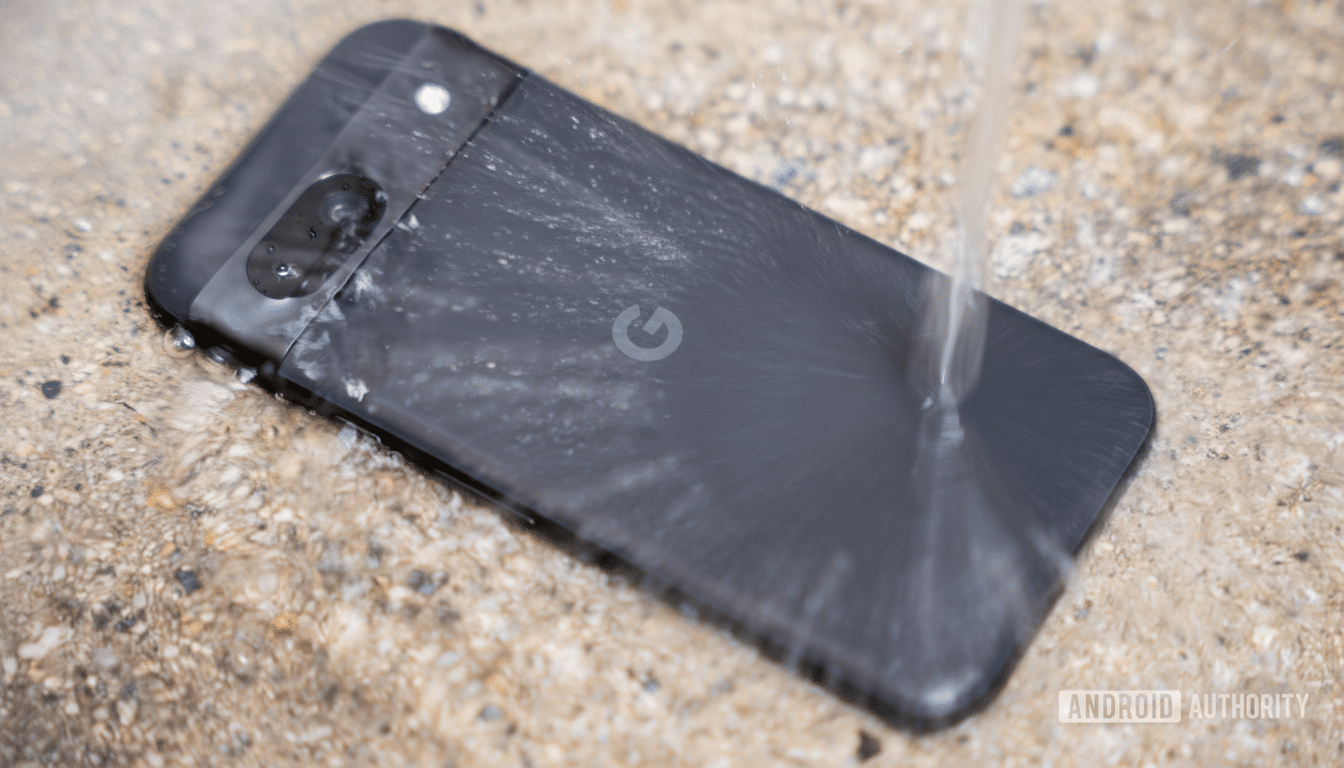
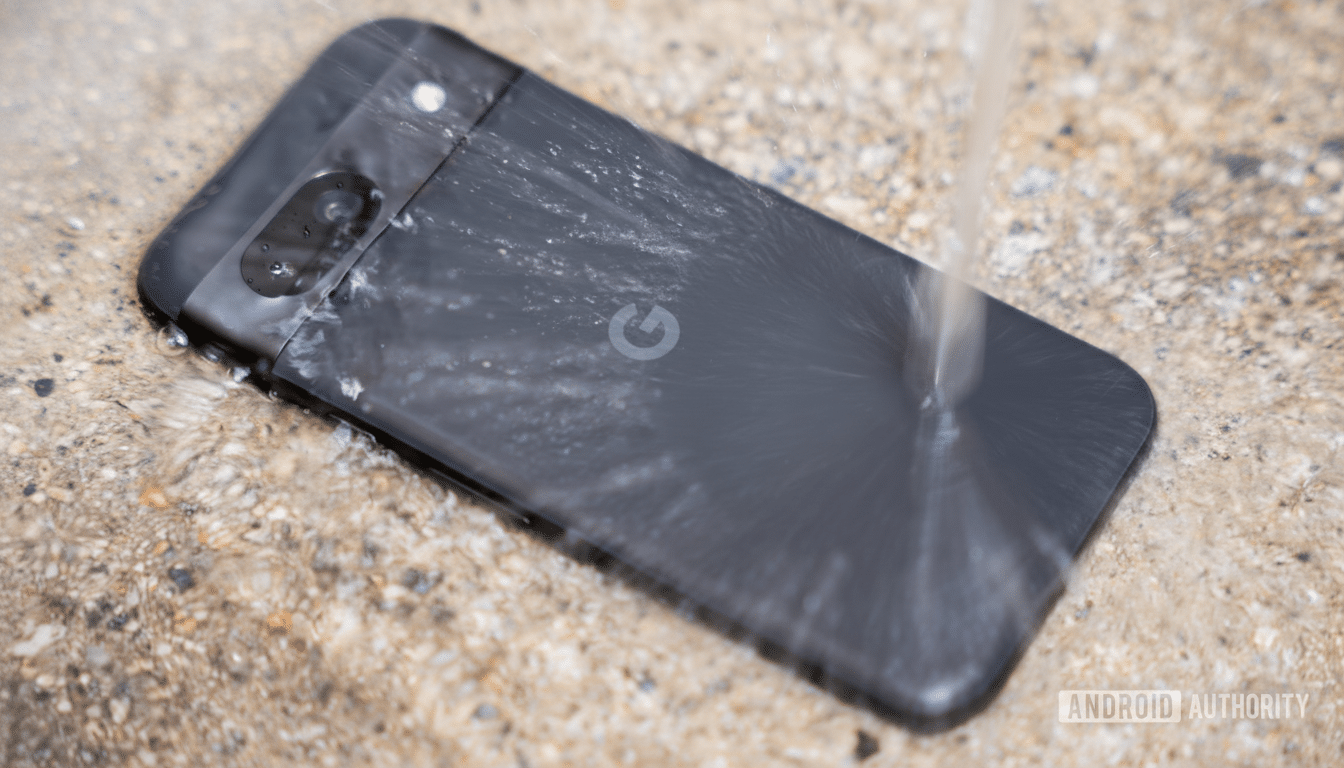
IP69, sometimes referred to as IP69K under ISO 20653, is not a replacement for IP68. It provides resistance to high-pressure, hot water jets rather than deep-water submersion. Lab protocols generally call for 80°C water sprayed at about 80–100 bar from several angles and distances (with rotating fixtures) — conditions engineered to sanitize industrial and medical equipment, not a day on the beach or an accidental bathtub event.
That nuance is meaningful: IP69 touches on pressure jets and hot spray; IP68, on immersion. They tackle orthogonal failure modes, and one does not imply the other unless otherwise specified.
Why It Doesn’t Help You Day to Day for Most Users
When most smartphones get wet, they become victims of sinks and toilets, pools and rain — stationary or slow water rather than 100-bar steam cleaners. Managed immersion under IP68 already encapsulates standard mishaps, exceeding its parameters. IP69 doesn’t really add much of anything to that everyday risk profile, and it offers zero extra protection in salt water, chlorinated water, soapy water, or sugary liquid environments, which can break seals down far faster than fresh.
Manufacturers also disclaim liability. Coverage from major brands, including Apple (Apple’s warranty documents) and Samsung (Samsung’s care doc), and guidance from consumer groups like Consumer Reports remind us that IP certification does not cover water damage the way you want it covered in real life. If water comes in, you probably pay for the repair no matter what is on the box.
What’s more, high-pressure jets are not a typical phone hazard — and even on those occasions when you might confront one, the blast can force water past gaskets or acoustic membranes in ways regular use never would. The test only says a sealed device will survive the specified spray; it makes no guarantee as to its ability to resist misuse, wear, or seals aging months later.
The Trade-offs and Costs That Go Unreported
Pursuing IP69 can steer designs toward thicker gasket stacks, more adhesive, and denser acoustic meshes. Component suppliers like Gore make hydrophobic vents rated IPX8 and IPX9K, but a tighter mesh can negatively impact speaker output or mic sensitivity by the tiniest of margins. More adhesive for fewer serviceable seams often also hurts repairability — a common theme that’s been bemoaned by teardown specialists like iFixit and national repairability indices for years.
Certification isn’t free, either. Tests are paid for on a per-program basis by independent labs like TÜV SÜD, UL Solutions, and SGS. That cost is baked into the device or between the cushions of other sources. Some in the past have skipped formal IP testing on otherwise water-resistant phones to save money — a testament that the badge is just as much marketing as it is engineering.
Finally, warmth is one underrecognized trade-off. Thermal management can also be made more difficult by sealing a phone up tight, and that in turn makes OEMs even more reliant on technologies like vapor chambers and software throttling. It’s a nuanced consideration, but there should be no chasing a seldom-useful rating at the expense of durability or easier repair.
Real Devices and Real-World Context for IP69 Ratings
Rugged handsets that are used in the field — think Cat and Kyocera — have long boasted of their IP68/69K, in addition to MIL-STD-810 testing, because pressure-jet washdowns are something they need to survive. That context makes sense. On the other hand, recent flagship launches from the likes of OnePlus and Vivo mention IP69 primarily in order to look eye-catching on a spec sheet beside already sealed-tight IP68.
If your phone sees a lot of pressure washers or food-processing sanitation or sterile environments, plop down the extra cash if an IP69K rating speaks to you. For the rest of us, it’s not a major upgrade from IP68.
Better Ways to Safeguard Your Phone Beyond IP Ratings
- Choose a well-known brand’s IP68 model and think of water resistance as insurance, not a feature.
- Rinse with fresh water after exposure to salt or chlorine; fully dry prior to charging, and stay out of hot tubs/saunas because heat accelerates seal breakdown.
- For kayaking or the beach, a rated pouch will give you a wide margin beyond any IP number.
- For shooting underwater photos, use a specialty housing or an action camera.
- IP ratings are for lab settings — not a permit for repeated dunks in the wild.
Bottom Line: IP69 Marketing Versus Real-World Value
IP69 phones are news, but the value to most users approximates zero. You’re paying for a tougher test that most phones will never undergo, while warranties still won’t protect you against liquid damage and design trade-offs may remain. Until the way you live really demands pressure-jet resistance, your waterproof resistive self is just going to have to make do with your IP68 + proper habits phone — and let the hype of IP69 roll off you, not your bank account.
