


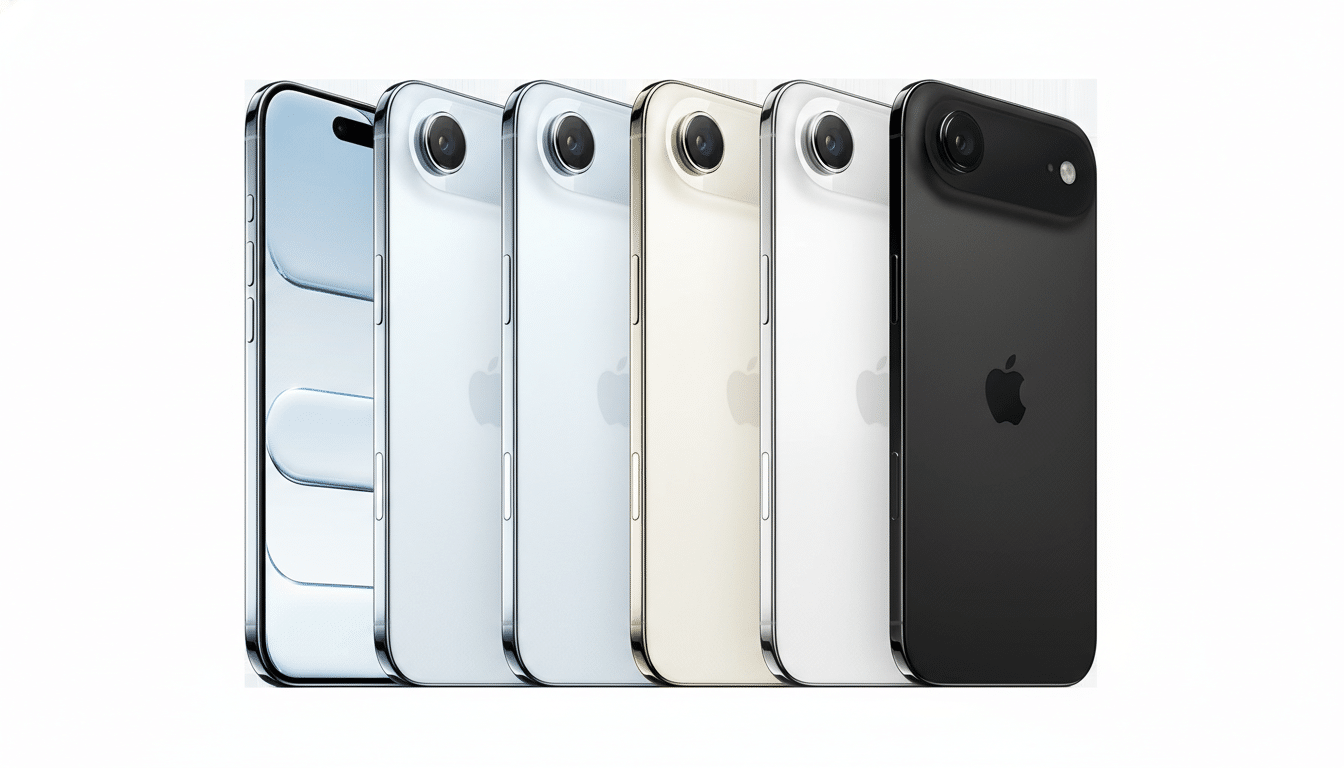
Apple is testing a new network-level privacy control in the iOS 26.3 beta that reins in how precisely your cellular carrier can locate your device. The feature, called Limit Precise Location, is rolling out first on just two iPhone models—iPhone Air and iPhone 16e—with support also coming to the cellular iPad Pro M5.
According to Apple’s description in the beta, turning the setting on limits information made available to the cellular network so it can determine only a coarse area—think neighborhood rather than a street address. Apple says it won’t affect signal quality or everyday experience, won’t reduce precision for emergency services, and doesn’t change app-level permissions for things like Maps, third-party apps, or Find My.
What Limit Precise Location Actually Does
Carriers routinely estimate device position using a mix of methods standardized by 3GPP, including cell ID, timing and angle measurements across multiple towers (OTDOA), and assisted GNSS. That network-side capability sits below app permissions; even if you deny an app access to GPS, the network can still perform its own positioning for calls, authentication, or network optimization.
Limit Precise Location appears to cap the fidelity of those modem-to-network reports, curtailing highly granular measurements so the network sees only an approximate area. Crucially, emergency services location—supported by standards like AML and E911/E112—remains precise, preserving lifesaving functionality while lowering routine exposure to exact coordinates.
Why Only Two iPhones Currently Support the Feature
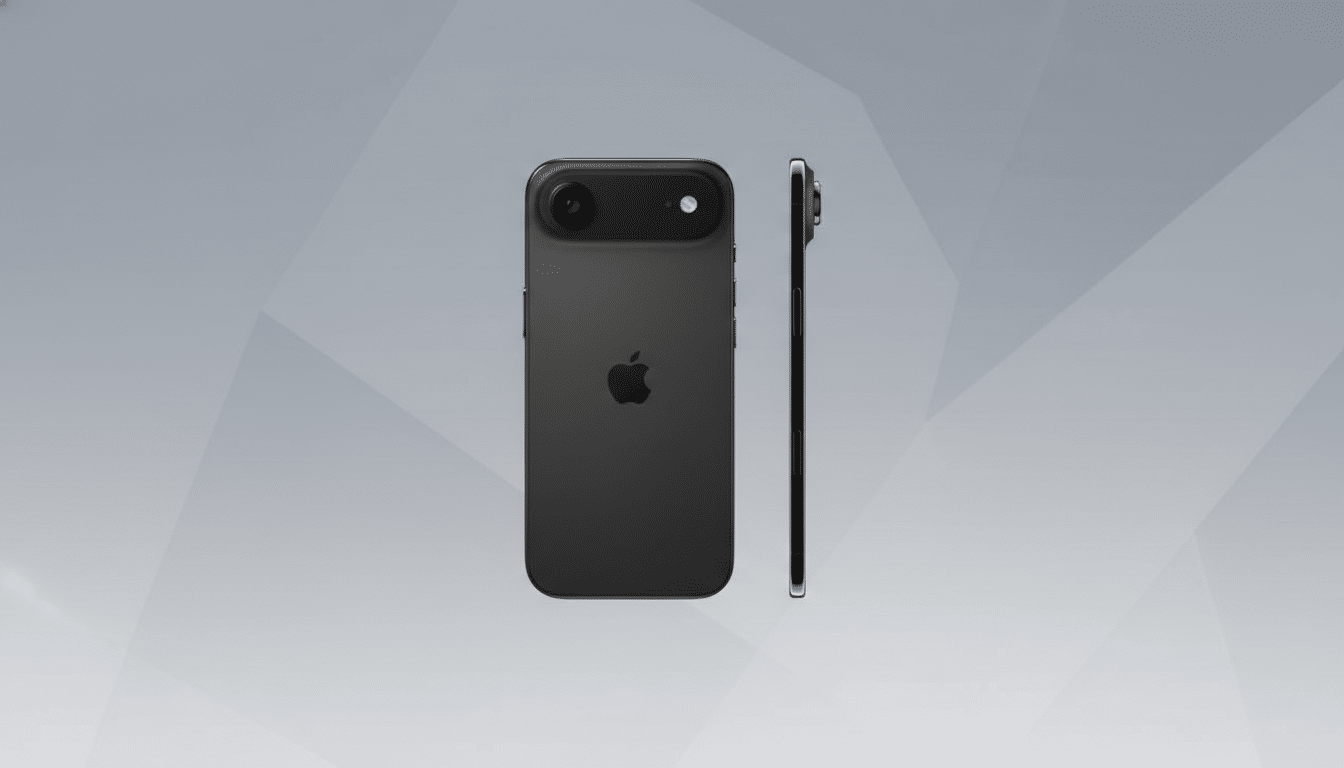
Apple says the feature requires its newer C1 or C1X modem, silicon now found in the iPhone Air and iPhone 16e, and in the cellular version of the iPad Pro M5. That suggests the control happens at the baseband level, where the phone can govern which positioning capabilities are exposed to the network. As with previous Apple features tied to newer radios—think satellite messaging at its debut—early hardware limits are common until the stack matures across the lineup.
If you’re on an older iPhone, you’ll still get iOS 26.3, but the Limit Precise Location toggle won’t appear unless your device has a C1/C1X modem.
Carrier Support and Rollout Timeline by Region
On the network side, the switch only works if your carrier supports it. In the US, Boost Mobile is first to adopt the feature. Apple also lists a handful of participating carriers in Germany, Thailand, and the UK. There’s no commitment yet from the three largest US carriers, and international availability will likely expand in stages as operators update their network policies.
Behind the scenes, carriers may need to honor a new modem capability indicator or policy flag—changes that tend to travel slowly through multi-vendor networks. Industry groups like the GSMA and 3GPP set the underlying standards, but real-world deployment depends on each operator’s roadmap and regulatory environment.
Why This Network-Level Privacy Change Matters
Network-level location has been at the center of repeated privacy controversies. The Federal Communications Commission has pursued enforcement actions over improper sharing of location data with aggregators, with proposed fines exceeding $200 million across major carriers. Advocacy groups such as the Electronic Frontier Foundation have long argued for stronger user controls on network-derived location, noting risks for people in sensitive situations—from domestic violence survivors to those visiting clinics or shelters.
By giving users a hardware-level way to turn down precision for routine network operations, Apple is addressing a blind spot that app-level permissions couldn’t cover. It’s a narrow rollout, but it establishes a precedent that could nudge carriers and competitors toward more user-governed location sharing.
How to Know If You’re Eligible and Where to Enable It
When iOS 26.3 reaches your device, check whether you’re on an iPhone Air or iPhone 16e (or a cellular iPad Pro M5) and whether your carrier supports the feature. Apple indicates a new Limit Precise Location toggle will appear in Settings; the placement may vary by region and carrier, but expect it within Cellular settings or Privacy & Security. If you don’t see it, either your device lacks the required modem or your operator hasn’t enabled support yet.
For now, Limit Precise Location is a small switch with outsized implications. If adoption widens—and regulators keep the pressure on—carrier-grade location could soon default to “coarse unless necessary,” which is a meaningful win for everyday privacy without sacrificing safety or connectivity.
