


Instagram is introducing a new control panel for recommendations, called Your Algorithm, beginning with Reels. The feature highlights the exact topics that influence what appears there, and lets you dial up or down interests, or add new ones from scratch — giving people at least some real say over one of the app’s most influential feeds.
It seems available via a two-line heart-etched icon in the upper right while viewing Reels. Tap it and you will receive a plain-language rundown of what Instagram thinks you have been interested in lately, compiled from your activity and summarized by AI. You can even add that snapshot to your Story, in a cheeky nod to the year-end interest roundups that now are a social staple.
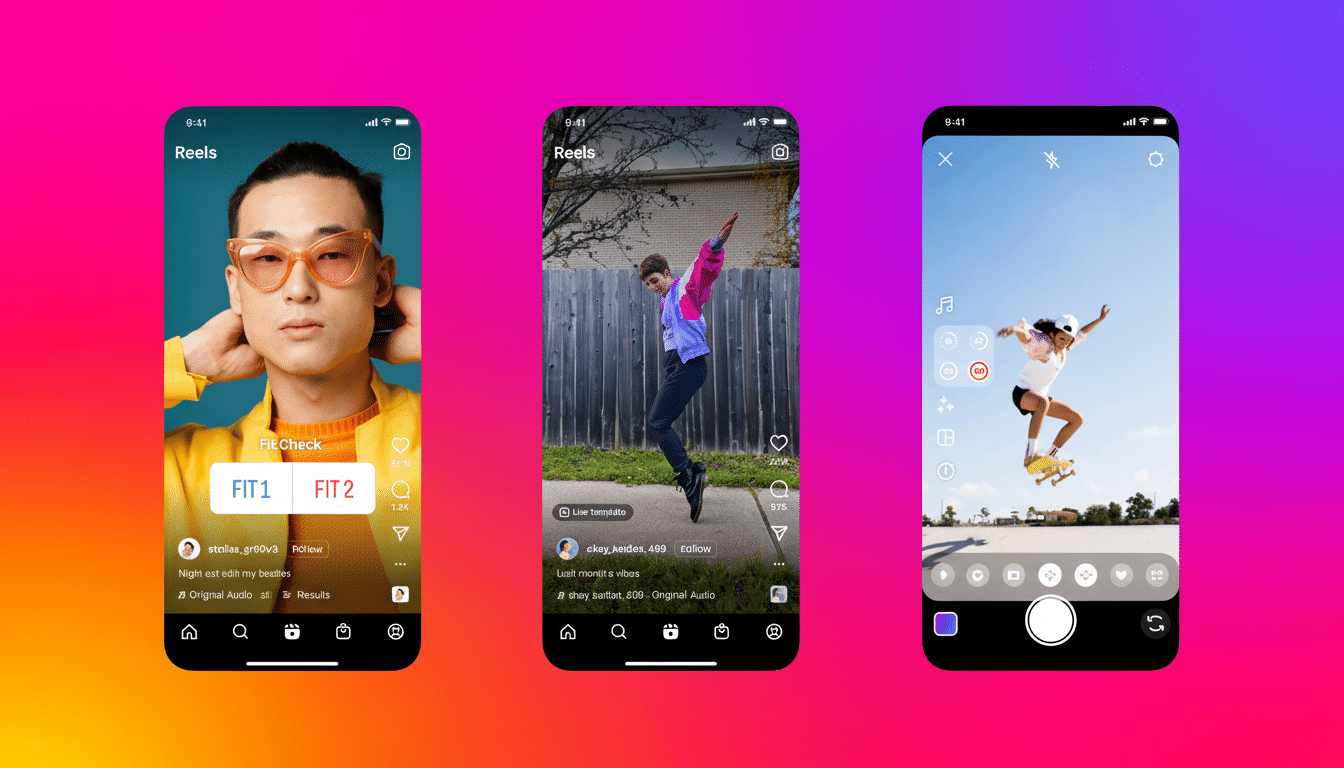
The customized table of contents is below the abstract. You can tune each to show more or less, and type in topics not listed to proactively train the feed. Instagram says the controls go into effect on recommendations and will be applied more broadly beyond Reels in the future. The feature is available now in the United States and will be rolling out worldwide in English.
How the new Your Algorithm controls work on Reels
Your Algorithm transforms chimeric signals into visible clusters. Instead of just hitting Not Interested or long-pressing to hide posts, users can control an ever-more-refined list of fine-grained interests: think trail running, DIY ceramics, K-pop choreography, vintage keyboards. If your feed insists on making weightlifting a priority while you’re actually interested in mobility training, you can give one of them less attention and the other more.
The summary card is a quick read on your recent tastes, roughly an AI-generated headline for the vibe that’s happening now. It’s made to be editable: Users can promote niche interests the system missed, bury topics that no longer suit them, and finesse edge cases it often struggles with (like distinguishing skate technique clips from slam compilations).
Why Instagram is adding transparent recommendation controls
Recommendation engines power consumption time on short-form video, but they also draw scrutiny. Regulators in Europe, as part of the Digital Services Act, are pushing platforms to provide more transparency and user control over recommender systems. Instagram has added Sensitive Content Control, Favorites and Following feeds, and more visible Not Interested options in the past. A tip of the cap, Your Algorithm shifts from reactive to proactive control, giving users agency earlier in the recommendation loop.
There is a business incentive as well. Meta has said that usage of Instagram increased after it pushed AI-driven recommendations throughout Reels, and the app has more than 2 billion monthly users in all. When users sense that their feed conveys their intent — not just their impulses — satisfaction may lift, leading to steadier engagement and more robust long-term retention.
How it compares with TikTok and other recommendation tools
TikTok rolled out Manage Topics to allow people to weight their For You page toward or away from general categories. Instagram’s implementation is a bit more granular, personalized, and flexible by default, most importantly allowing you to add subjects that aren’t already listed. That specificity matters: a skateboarding enthusiast might want street parts and tutorial breakdowns rather than prank content, which generic category buckets often fail to capture.
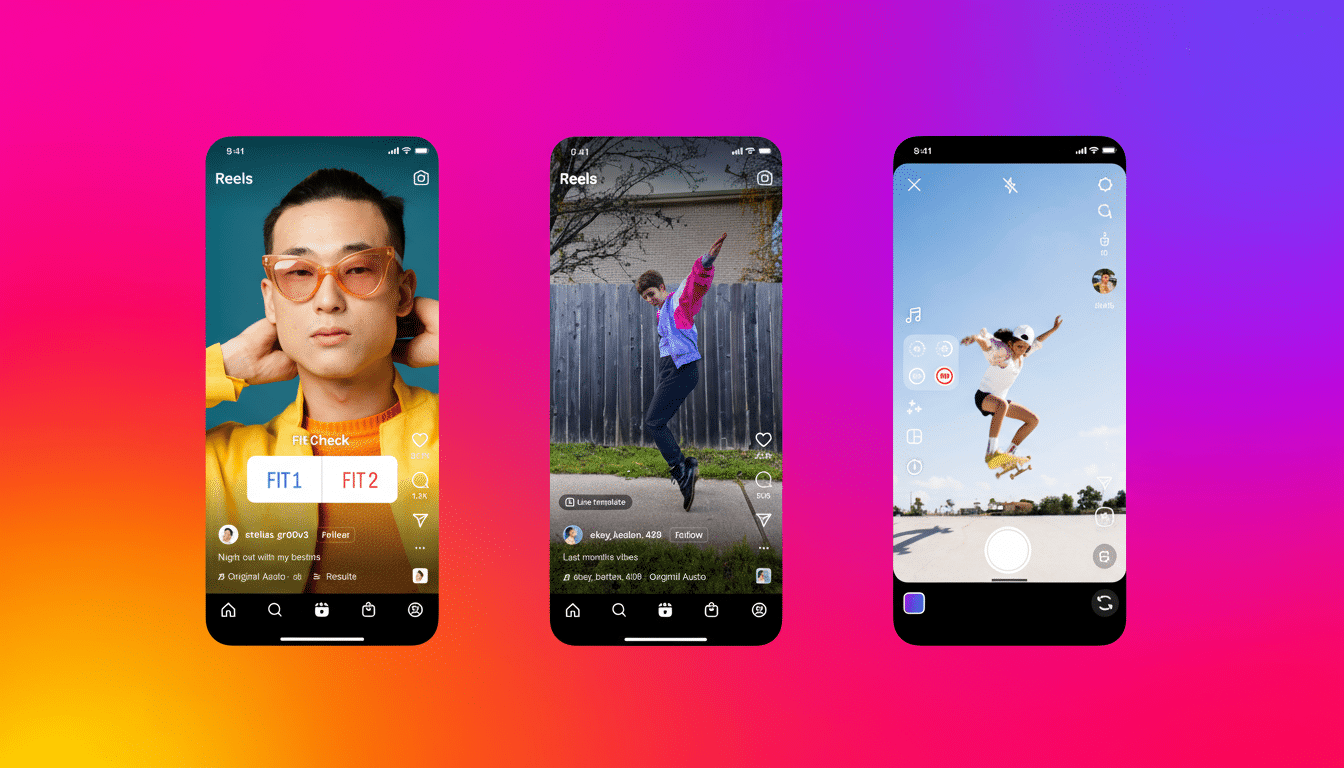
The feature also layers on top of the current Instagram cues — interest labels, post-level feedback, and network signals — into a single, comprehensible surface. In theory at least, this might mean less of the whiplash users feel when a passing curiosity floods their feed for days.
What it means for creators and brands using Instagram Reels
It would be better if users could give more specific signals. Creators who organize content around specific niches can have a much easier time reaching people who actually asked for its themes. The tool may privilege depth over viral-shallow, raising specialty topics like marathon fueling or ASMR restoration and Afrobeat dance tutorials when users say they want them.
For advertisers, it’s not an ad-targeting feature, but it may inform organic reach and trendsetter status. If audiences start developing more and more finicky tastes, expect a premium on exact titling, on-screen overlay text identifying performers and acts, and show series that are consistently related in concept to cleanly mappable user-selected topics.
What happens next for Your Algorithm across Instagram
Instagram says Your Algorithm is making its way to other surfaces next, with Explore up next. That could bring the same interest tuning to where a lot of users begin their browsing sessions, further shortening the feedback loop between intent and discovery throughout the app.
For now, the quickest way to test it is simple: open a Reel, tap the two-line heart icon, check out the AI summary of your topic preferences, boost what you want more of and mute what you don’t — then add any topics that are missing.
It’s a small interface change with outsize stakes for how one of the world’s most popular feeds chooses what it shows you next.
