


Instagram has left the phone for the living room. At least in the US market, that is. The company began testing an Instagram TV app that brings Reels and other short-form video content to television screens; the app will make its debut in a beta phase on certain Amazon Fire TV devices. The move formalizes Instagram’s effort in lean-back viewing and co-watching, as it hopes to make social video more of a community big-screen experience versus its traditional solo scroll.
A Familiar Feed Designed For The Living Room Couch
The TV app applies Instagram’s mobile logic but reimagines the interface for a remote. When you open the app, it displays a For You rail with personalized recommendations followed by topic carousels mirroring your past viewing habits. If you are heavy into beauty tutorials or travel clips, count on dedicated rows fine-tuned to those interests.
Videos play vertically in full portrait mode on the television screen, preserving the creators’ framing.
There are interaction controls on the right — like, comment, share, and repost — while friends who have liked the clip appear along the left side. There’s also search for creators, topics, and videos, so you can browse rather than just blindly look at what YouTube puts in front of you.
The app is compatible with five Instagram accounts per TV, so if multiple members of your household have varied tastes, you can easily switch between them.
Amazon recommends setting up a household account if you want to maintain the algorithmic recommendations for each person — a testament to how delicate feeds can be when just a few off-topic plays are made.
How You Can Watch Now on Supported Amazon Fire TVs
The first rollout is aimed at Amazon’s own ecosystem. The Instagram for TV app is only available on the following devices:
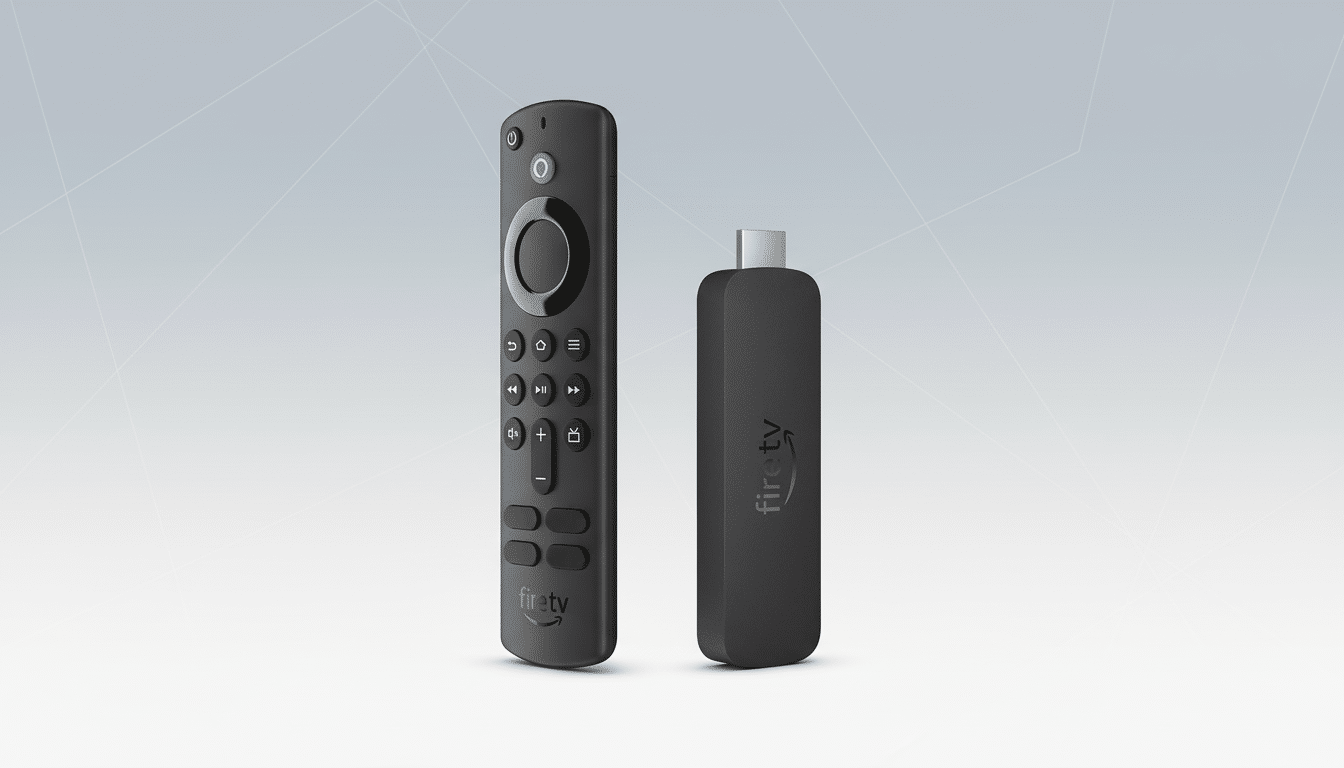
- Fire TV Stick HD
- Second-gen Fire TV Stick 4K Plus
- Fire TV Stick 4K Max (both generations)
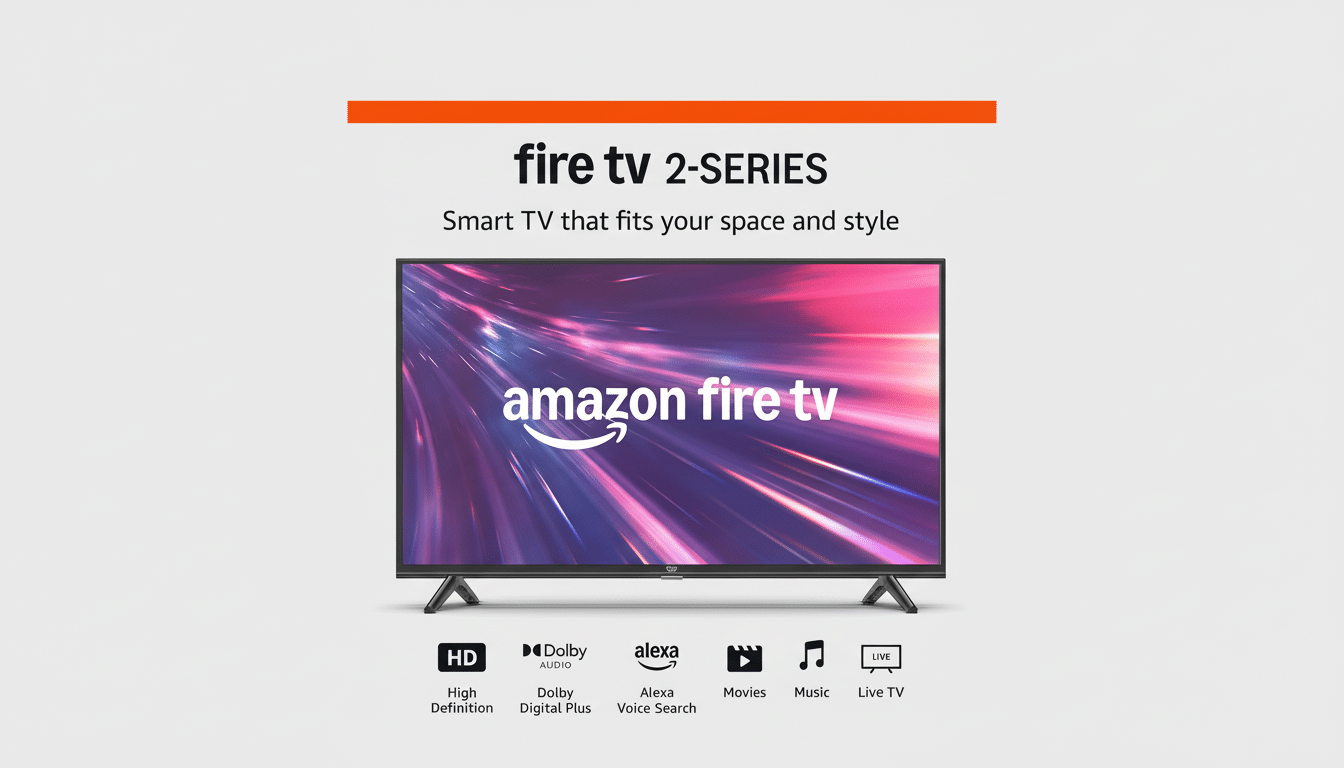
- Amazon-branded TVs: Fire TV 2-Series, Fire TV 4-Series, and Fire TV Omni QLED Series
Meta says additional TV platforms will be supported as testing continues. There’s no public timeline for expanded availability, but the intent is unmistakable: it’s a big living room footprint at launch, with scale based on performance and feedback.
Why Big-Screen Reels Matter for Instagram and Users
It’s no longer just a mobile thing when it comes to short-form video. Nielsen’s The Gauge has repeatedly demonstrated YouTube is leading in streaming share on television sets, and now social-style content has a greater foothold in the living room. By meeting viewership on the largest screen in the home, Instagram can steal minutes that might otherwise go to rival apps or traditional streaming services.
For Instagram’s creators, there is new upside on TV: longer periods of uninterrupted viewing, family co-viewing, and an opportunity to reach viewers who avoid the ceaseless phone scrolling that so many do at home. Insider Intelligence has seen a steady shift of social video minutes to connected TVs, as devices get better and vertical video goes mainstream. A TV app may bring Instagram a little closer to those minutes, without requiring users to cast from their phones.
The Product Selections Behind The Interface
Keeping video vertical on TV is an intentional decision. It’s for preserving the creator’s intent, even if that means going with side panels for on-screen controls. The move also streamlines creation for creators, who can keep pushing Reels without having to reformat them to fit different-sized screens — which is crucial as consistency and speed are key performance indicators on a social platform.
The fact that Instagram focuses on quick reactions, such as likes, comments, and shares, suggests TV viewers will be expected to engage with content rather than simply watch it. That is in line with Meta’s larger effort to marry entertainment with casual social interaction. Though Meta has not laid out TV app-specific advertising plans, expanding its inventory and making this viewable in the living room opens the door for brand-safe placements, perhaps down the line, once it’s tested and optimized a bit further.
How Instagram’s TV App Compares With TikTok and YouTube
TikTok TV and YouTube’s Shorts on TV did the groundwork: personalized feeds, remote-first navigation, and uninterrupted handoffs from phone to TV. Instagram’s method follows these models very closely, but uses its social graph — showing which friends of yours liked a video, for instance — to encourage people to engage. For a service that counts more than two billion people per month across its app family, according to Meta’s public disclosures, even relatively little TV adoption could lead to substantial watch time.
What To Watch Next as Instagram Expands Its TV App
There are two key questions that will determine where the rollout goes from here: how co-viewing alters engagement and, more critically, how quickly Meta can extend support beyond Fire TV. If Instagram can turn discovery in the living room into creator growth and incremental advertising exposure, then TV could become a core surface for Reels rather than a nice-to-have. For now, the test provides a simple process for watching and reacting to Reels together — without passing around the phone on the couch.
