


Instacart is testing artificially intelligent price experiments that vary the price of items to different shoppers, according to a new study in several cities that has some industry observers wondering about transparency and fairness when human beings don’t have control over pricing on its platform.
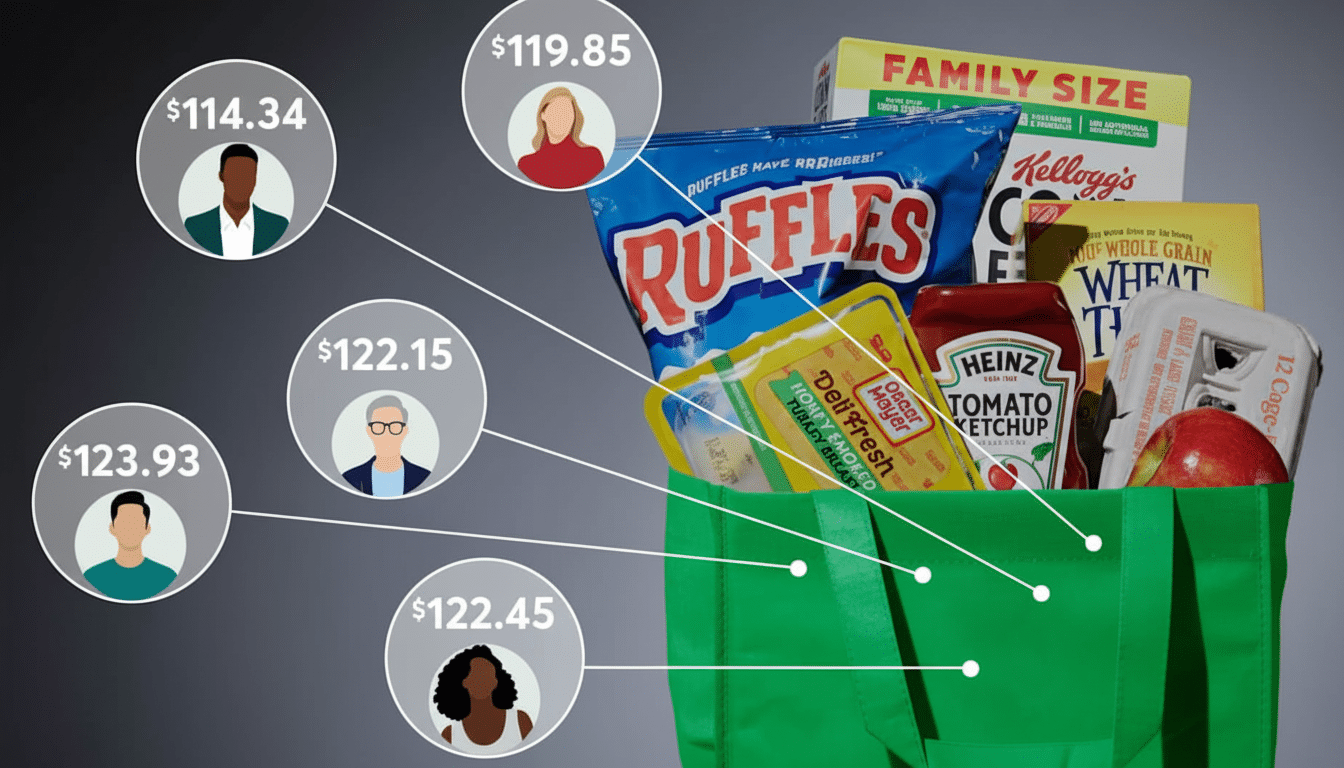
Across the same stores — and even when they stopped short of checking out — participants were shown highly varied prices for identical baskets, according to 437 volunteers mobilized in the four target cities.
- What the study found about Instacart's price tests
- How Instacart explains the pricing variations
- Inside Eversight and algorithmic price tests
- Why this pricing approach matters for shoppers
- The regulatory backdrop for algorithmic pricing
- How to protect your cart from price experiments
- The bottom line on Instacart's AI pricing tests
What the study found about Instacart's price tests
Almost 74% of items in carts had variable prices among testers. A dozen Lucerne eggs at a Safeway in Washington, D.C., displayed prices between $3.99 and $4.79. In Ohio, the Target grocery basket cost between $84.43 and $90.47 per visit, depending on the shopper.
The organizations found an average difference of 13% between the lowest and highest price observed for 20 items tested. Accepting that Instacart puts a family of four at $363 a month in groceries through its app, the study calculated that even a small variation over time could mean shifts of about $1,200 for heavy users over the course of a year.
How Instacart explains the pricing variations
Instacart said it was running limited pricing tests with a small set of retailers that already add markups online. These brief, randomized experiments help retailers learn what really matters to consumers and keep essential items affordable, the company says.
Importantly, Instacart asserts that the measure doesn’t constitute “dynamic pricing” in the surge-pricing sense of the word. Prices are not adjusted in real time based on demand, the company says, and it is not testing using personal, demographic, or user-level behavioral data. Instacart also says the tests are not meant to make a retailer’s average markup higher; instead, just a small fraction of items in any given cart are subject to narrow price deltas.
Target denied any participation, telling a national news outlet that it has no affiliation with Instacart and is not responsible for Instacart pricing. Instacart later said it ceased tests in Target stores.
Inside Eversight and algorithmic price tests
The experiments are driven by Eversight, a tool for AI-assisted pricing and promotions that Instacart acquired in 2022. Eversight conducts controlled A/B tests assigning different consumers to different price points and promotional formats, measuring conversion and basket-level impact to reveal pricing optimizations that work for retailers.
Offline chains have for a long time tested prices through in-store pilots and circulars. What’s new is AI’s capability to do this online at speed, scale, and granularity — discrete tests that can be continuously conducted in every market, category, and SKU, allowing retailers to quickly dial up or down per-SKU margins without speculative wholesale-bashing changes across the board. That level of sophistication, though, heightens the stakes when it comes to disclosure and consumer comprehension.
Why this pricing approach matters for shoppers
The cumulative effect can be disorienting even when each test is narrow. Two neighbors shopping the same store may witness different totals for the same basket. At a time when surveys indicate that grocery prices remain one of the leading household stressors, sudden shifts — no matter how minute — complicate the budgeting process and sap confidence in digital platforms.
There’s also a demand-perception gap: Most consumers want sales and coupons, not the sort of invisible testing of new stuff with their daily staples, like eggs or milk. Without clear labeling that a price is part of a test, shoppers might assume that fluctuations reflect location-based fees or hidden markups or mistakes.
The regulatory backdrop for algorithmic pricing
Regulators have signaled greater interest in algorithmic pricing. The Federal Trade Commission has cautioned against dark digital practices, watching closely “drip pricing” and other tactics that make comparison shopping difficult. A/B testing is legal, but consumer advocates contend that platforms should inform customers when they are being tested upon and issue standardized receipts that clearly and uniformly show the final, nonexperimental price.
The advocacy groups behind the study are demanding more transparency and for retailers to refrain from price experiments on crucial goods. They also would like platforms to commit to guardrails that prevent discriminatory practices — even inadvertently, and as a result of the design of algorithms — from regressive targeting of lower-income shoppers.
How to protect your cart from price experiments
- Comparison-shop your Instacart cart against the retailer’s own app or website before checkout; discrepancies often signal store-level markups versus tests on the platform.
- Stay vigilant for item-by-item changes: take screenshots of your cart when you add items, then compare at checkout. If totals increase, return to the product page or re-add the item to see if the test price changes.
- Try in-store pickup through the retailer if it offers more consistent pricing, and review receipts carefully. If you spot discrepancies, contact both Instacart support and the retailer to determine whether a store markup or a platform experiment caused the change.
The bottom line on Instacart's AI pricing tests
Instacart’s AI-driven price testing is par for the course in the tech world, but groceries aren’t your average tech product. The findings of the study underscore a basic fact: When experimentation extends to household basics, the onus is on platforms and retailers to be upfront, limit volatility, and earn trust with clear, consumer-first disclosures.
