


IKEA has quietly added a smart home accessory to its US lineup in the form of the compact Timmerflotte temperature and humidity sensor, which costs $9.99 and completes the company’s new line of cheap and cheerful smart sensors.
The addition is part of IKEA’s wider refresh of connected home gear, a 21-product push intended to make the basic automations cheaper and easier to get up and running.
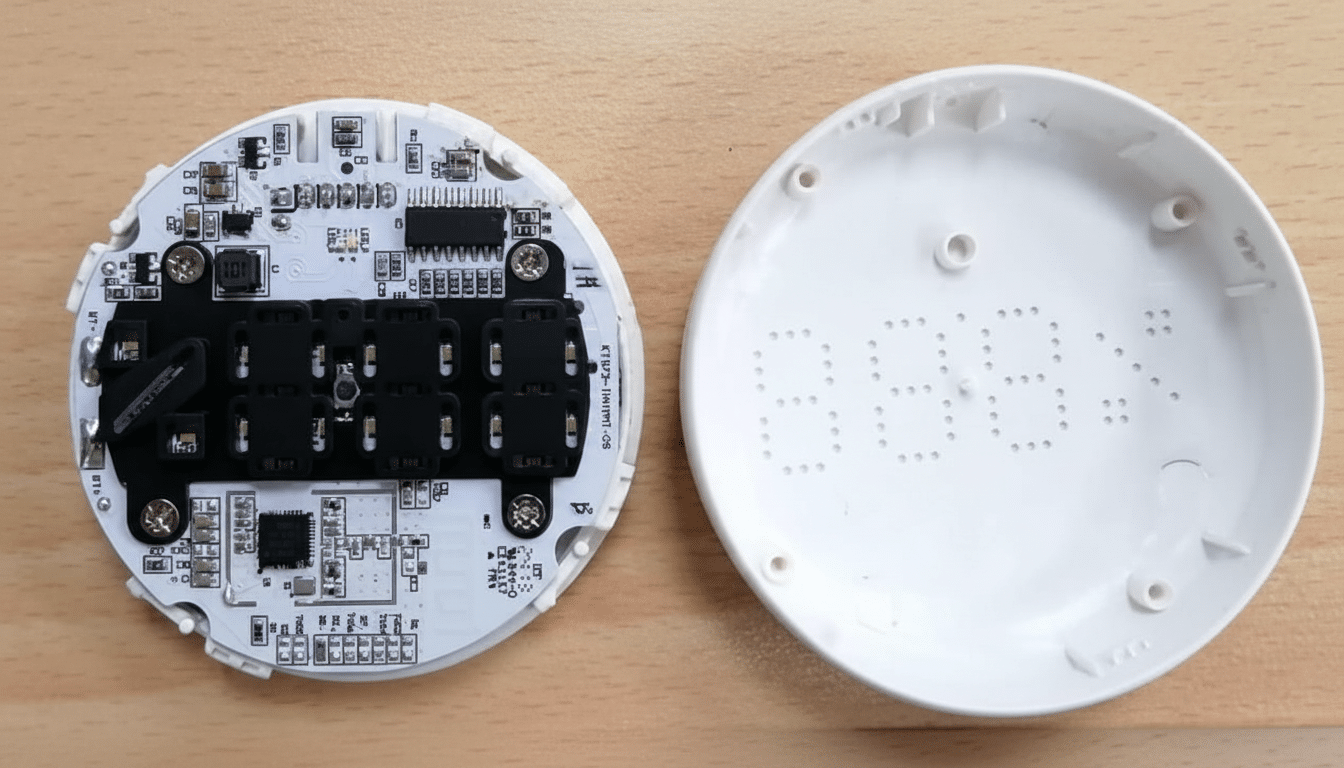
With the Timmerflotte hitting shelves, IKEA’s complete line of newest smart sensors is now available to home automation buffs in addition to the motion, entry and water leak detectors which went on sale previously. One new control accessory, the two-button Bilresa remote, also snuck into US availability for $7.99 or $19.99 for a three-pack.
What the Timmerflotte sensor measures and enables
Timmerflotte monitors two key indoor measurements — temperature and relative humidity — and sends that data to the IKEA Home smart app for both oversight and hairy scenarios. Which means you can have a fan turn on when a room grows stuffy, get alerted if the humidity level spikes in a bathroom or basement, or modify heating strategy to ensure that bedrooms remain within a range of comfort overnight.
These tiny sensors can deliver an outsize return in comfort and maintenance. According to the Environmental Protection Agency, indoor humidity should stay between 30–50% in order to minimize mold growth and dust mites. By establishing threshold-based alerts and actions that households can take in response, families may be able to act more quickly before moisture problems become repairs — or before your dry winter room starts cracking wood furniture and floors.
For both renters and homeowners, the value prop is simple: one cheap node per room you care about, that provides the data to make control of things like dehumidifiers, portable ACs, space heaters and even smart plugs with existing appliances smarter in your house.
Setup, app requirements, and smart home compatibility
Timmerflotte operates within IKEA’s system using the Dirigera hub and the IKEA Home smart app. The company’s latest devices communicate over low-power wireless (often Zigbee), which helps to provide multi-year battery life and reliable, whole-home range from just a single hub. Readings will then show up in the app, and can be used to power automations with other IKEA sensors, lights and controls.
Dirigera also integrates with the top assistants for voice and greater ecosystem control, unifying routines that combine IKEA products with third-party devices in Google Assistant, Amazon Alexa, or Apple HomeKit homes. The IKEA strategy for its sensors is to rely on established, battery-friendly protocols that are easy to configure and inexpensive to scale, while the longer-term trajectory toward full Matter support via its hub gets hashed out.
Pricing and market context for Timmerflotte sensor
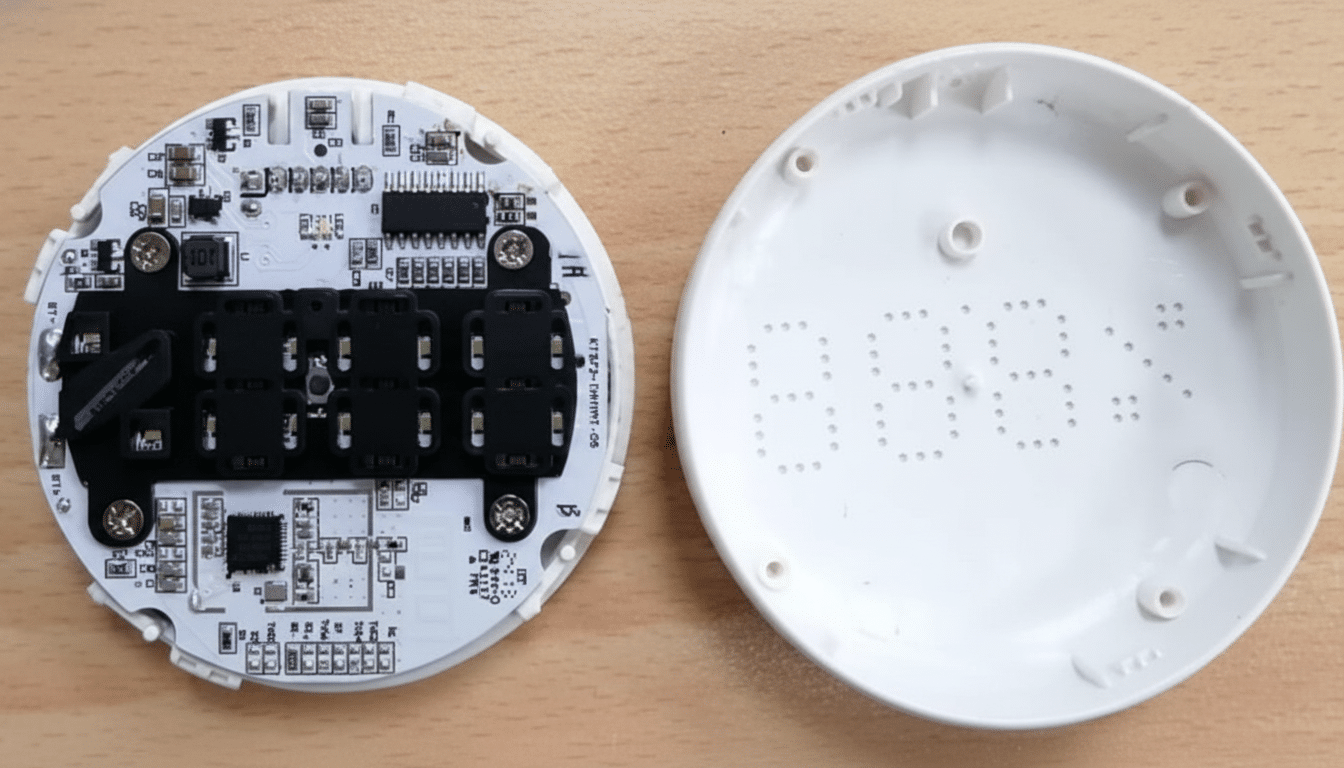
Timmerflotte, at $9.99, is cheaper than a lot of the competition. Comparable temperature-humidity pucks from established smart home brands will usually set you back $15–$25, and high-end models with additional air quality features can cost several times that amount. There are budget monitors from niche brands, but those typically run on standalone Bluetooth or Wi‑Fi apps rather than plug neatly into whole-home automations.
That pricing falls in line with IKEA’s smart home playbook, which involves coaxing customers into adopting the “boring-but-essential” sensors by offering them for very little money, to be placed throughout a home. The approach coincides with general market direction. Parks Associates’ research reveals over 50 percent of US internet households own at least one smart home device, and adoption is being driven by products that are practical and use case-driven. Cheap climate sensors are just the sort of utility-first device that takes everyday automation beyond lighting.
How Timmerflotte fits into IKEA’s broader smart home push
IKEA’s latest makeover organizes its ecosystem: small, simple sensors for inputting data, inexpensive remotes and buttons to provide tactile control, cheap Dirigera hub to bind it together. The company is ramping up delivery in the US faster than previously anticipated, compared to initial predictions of a more gradual release. Now that Timmerflotte has set down, the orchard of sensors is ready to go and we’re still waiting on new bulbs and more controls.
In addition to sensors and lighting, IKEA is betting on ambient tech that integrates with furniture and decor. Newer connected speakers — a small circular model and a lamp-speaker combo, for example — represent the brand’s ongoing claim to fame: stashing tech around but not in plain sight, appealing to buyers who want the capability but shun the clutter.
Bottom line: a cheap sensor that boosts home comfort
Timmerflotte is a little widget, but it’s significant: For $9.99 you get this climate monitor to unlock smarter comfort, better humidity levels and more efficient device control across your home.
With the US sensor lineup now done and a budget-friendly remote already in the mix, shoppers hoping to put together an affordable automation setup should have one more incentive to consider IKEA’s ecosystem.
