


Ikea’s newly released Matter-compatible smart home lineup is running into a rocky start, with buyers reporting frequent pairing failures and devices dropping offline after setup. Community posts suggest the problems are widespread rather than isolated glitches, raising questions about how ready the ecosystem is for prime time.
Owners on the Tradfri subreddit describe bulbs, sensors, remotes, and plugs that either never join a home platform or lose their connection hours or days later. Independent testing by tech reporters has mirrored those frustrations, including cases where only one of six devices paired successfully after multiple attempts and later unpaired without user action.
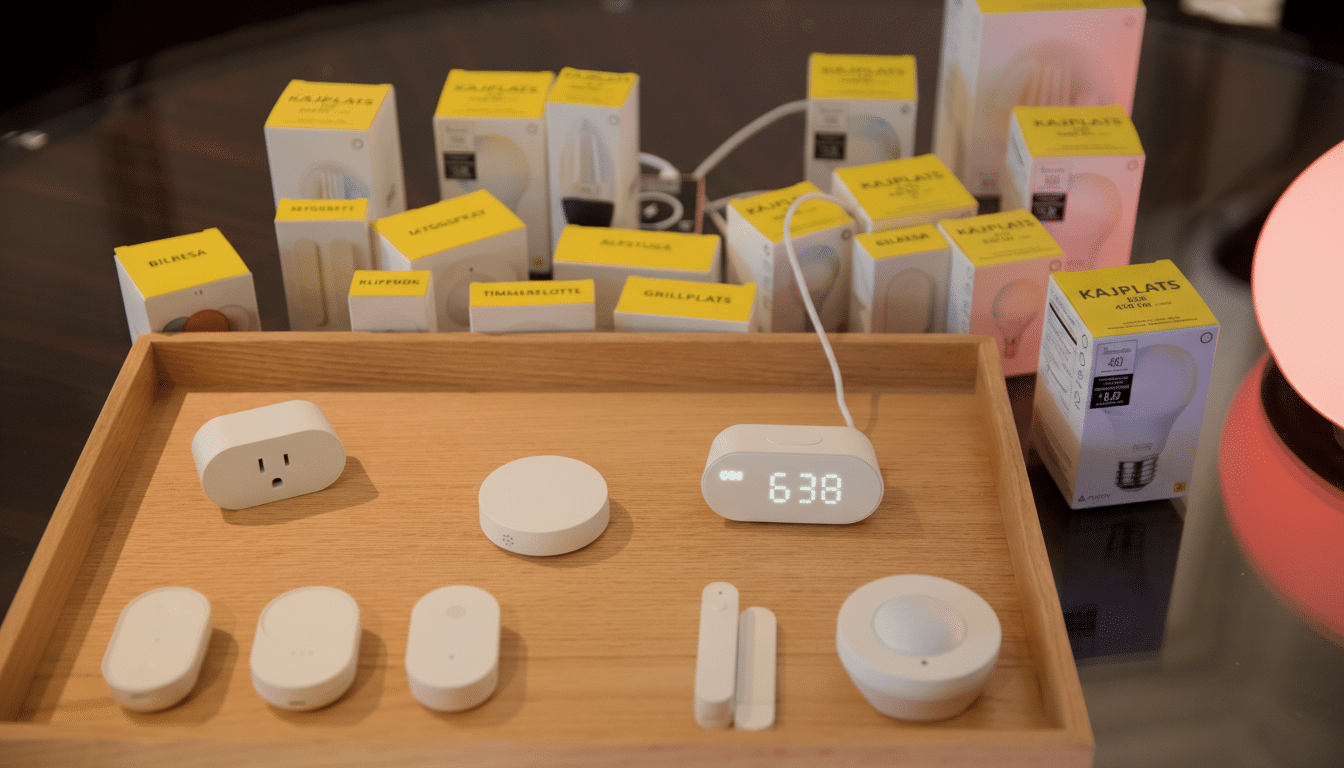
Reports indicate high failure rates during device onboarding
Posts from early adopters cite failure rates as high as 50% during onboarding. Others say they’ve endured intermittent disconnects for weeks, particularly with smart bulbs that appear as “unreachable” or fail to respond to scenes and automations.
Ikea has acknowledged the concerns, saying a dedicated team is investigating. Users also note the company pushed a firmware update for the Dirigera hub, which acts as a Matter controller for Ikea’s devices. That patch may help those within Ikea’s ecosystem, but it won’t fully address problems seen when products are paired to third-party platforms through Apple Home, Google Home, or Alexa.
Why Matter becomes complicated in real-world home setups
Ikea’s pivot from Zigbee to Matter promises simpler, local control across platforms. Under the hood, though, Matter rides on Wi-Fi and Thread, a low-power mesh network. Many homes now have multiple Thread Border Routers—think Apple TV, Nest Wifi, or certain Eero and HomePod models—quietly creating overlapping meshes that must coordinate seamlessly.
Commissioning is where things often break. Public issue trackers and developer notes across the industry have long flagged timeouts, credential handoffs, and multi-admin complexity as common failure points, especially when several controllers and border routers are present. If a device is added while standing far from the nearest border router, or if the Thread network flips channels, a “successful” setup can still lead to flakiness later.
Radio congestion adds another variable. Thread and 2.4GHz Wi-Fi sit close in spectrum, alongside Bluetooth, baby monitors, and microwave interference. Without solid channel planning and power management, sleepy end devices like sensors can miss messages, appear offline, and then rejoin unpredictably.
Who is affected by the issues, and who remains unaffected
It’s not universally bad news. Plenty of users report trouble-free setups, which suggests environment and topology matter. Homes with a single primary Matter controller, up-to-date firmware, and a stable Thread backbone are more likely to see smooth performance. Mixed ecosystems with overlapping routers and legacy gear tend to be riskier.
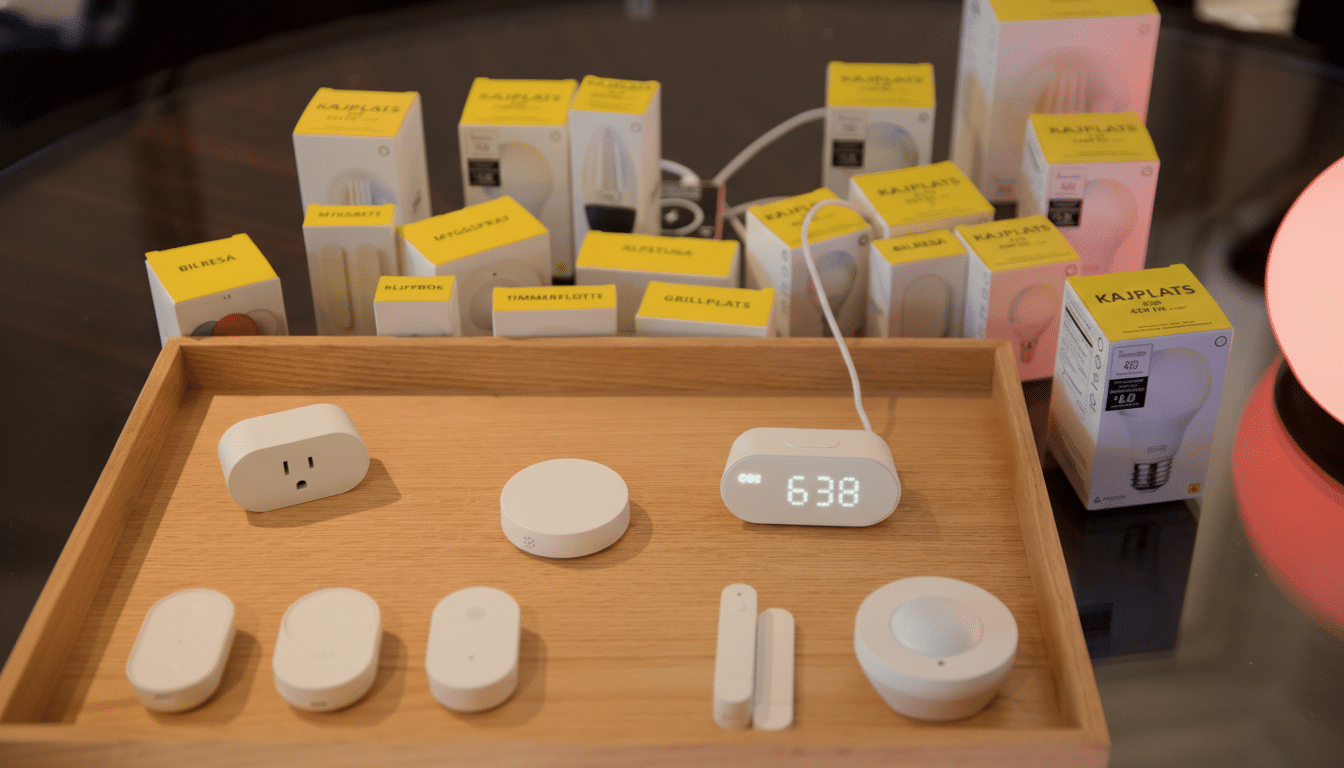
The variability also hints at device firmware maturity. Some Matter launches from other brands improved dramatically after a few over-the-air updates and controller-side fixes. The Connectivity Standards Alliance, which steers the Matter specification, has iterated on reliability and commissioning in recent releases, but real-world diversity of routers, phones, and hubs still exposes edge cases.
What Ikea and users can do now to improve device stability
Ikea says it is actively reviewing the complaints, and users have already seen at least one Dirigera hub update.
If you’re affected, experts recommend a few pragmatic steps:
- Update every controller (Dirigera, Apple Home, Google Home, Alexa) and border router.
- Keep the phone, hub, and device within a few feet during commissioning.
- Temporarily power down extra border routers to reduce mesh churn.
- Avoid onboarding during heavy 2.4GHz traffic.
For devices that won’t stick, a full reset and re-add often helps after updates land. Naming consistency across platforms, disabling duplicate bridges, and checking for Thread network “partitioning” can also stabilize things. If you’re still stuck, document failures and seek support—detailed logs help vendors pinpoint firmware and interoperability bugs faster.
The bigger picture for Matter adoption and consumer confidence
Connectivity hiccups at launch aren’t unique to Ikea, but the stakes are higher now that Matter is pitched as the unifying standard. Consumers were promised that any certified bulb or sensor would just work, no matter the platform. When a well-known retailer hits turbulence, it risks chilling confidence across the category.
The upside is that these issues are fixable. Past rollouts from major smart home brands have stabilized with firmware updates, better border router coordination, and clearer onboarding guidance. If Ikea and platform partners can quickly improve reliability—and communicate clearly—Matter can still deliver on its core promise of simpler, local, multi-ecosystem control.
Until then, buyers who prioritize “it just works” may want to wait for a few more updates, while enthusiasts comfortable with network tuning can proceed with caution. Either way, the next wave of patches will be an important test for Ikea’s smart home ambitions and for Matter’s reputation at large.
