


Every once in a while, a speculative iPhone makes the jump from “interesting” to “I’m selling my daily driver.” That would be the so-called iPhone 17 Air. If the best rumors turn out to be true, Apple’s ultra-thin model will at last offer the size, weight and design that I’ve been waiting for — but without the eye-popping price tag of a Pro Max.
Why an ultra-thin iPhone matters
The headliner rumor is straightforward: thin and light, in the way iPhones usually aren’t. Analyst Ming-Chi Kuo has estimated the thickness of the chassis at around 5.5mm at its thinnest point, while Bloomberg’s Mark Gurman has on many occasions referred to the model as “skinny” — a word he says applies to a wholly new tier. AppleTrack, which scores leaker accuracy, has Gurman at an 86% and Kuo at 72%, which would score this as one of the more credible pairings of reports we’ve seen.
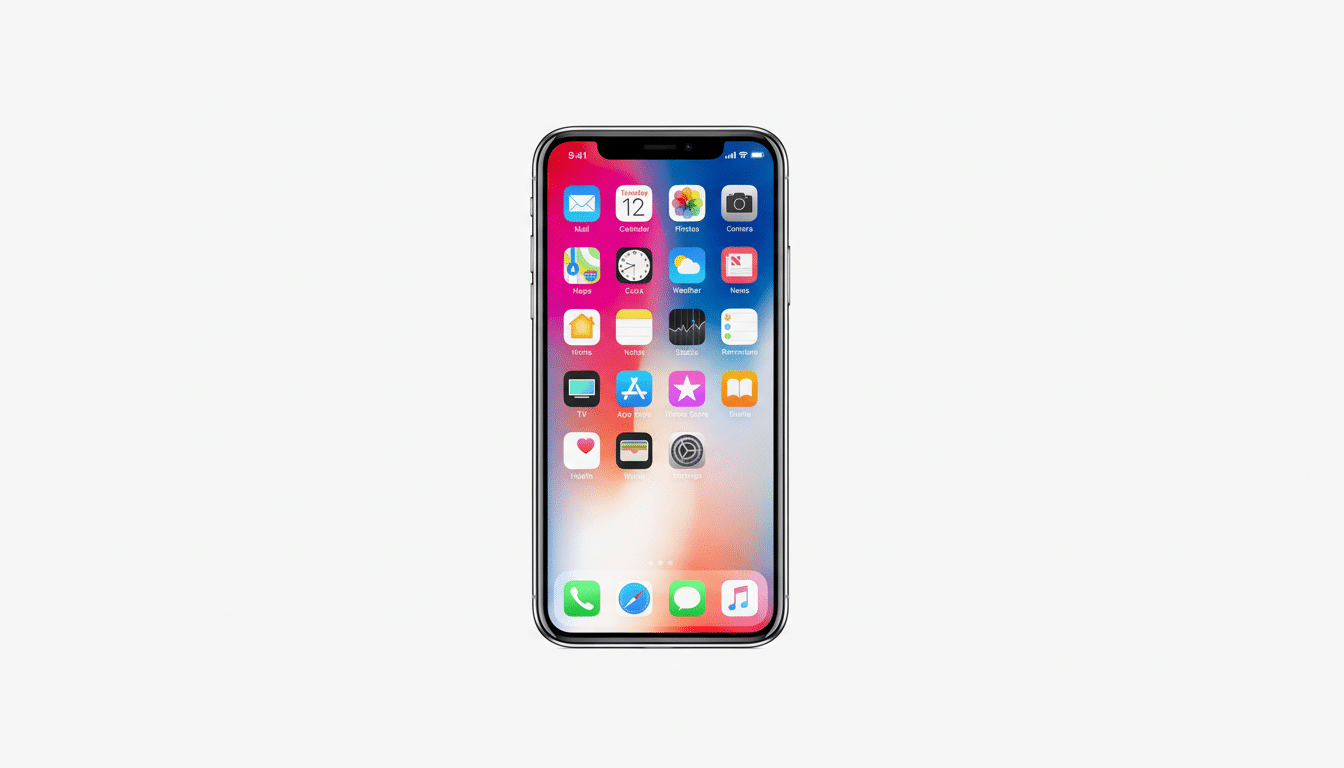
Weight is as important as thickness. MacRumors flagged a statement from the South Korean leaker yeux1122 who is aiming for around 145g, which is significantly lighter than most flagships for now. To put that in context, recent Pro models have floated around the 200g mark; knocking it down to 50 grams off your daily carry isn’t a spec-sheet flex—that’s the difference between a phone you notice every minute and one you forget you have in your pocket.
Design details driving the buzz
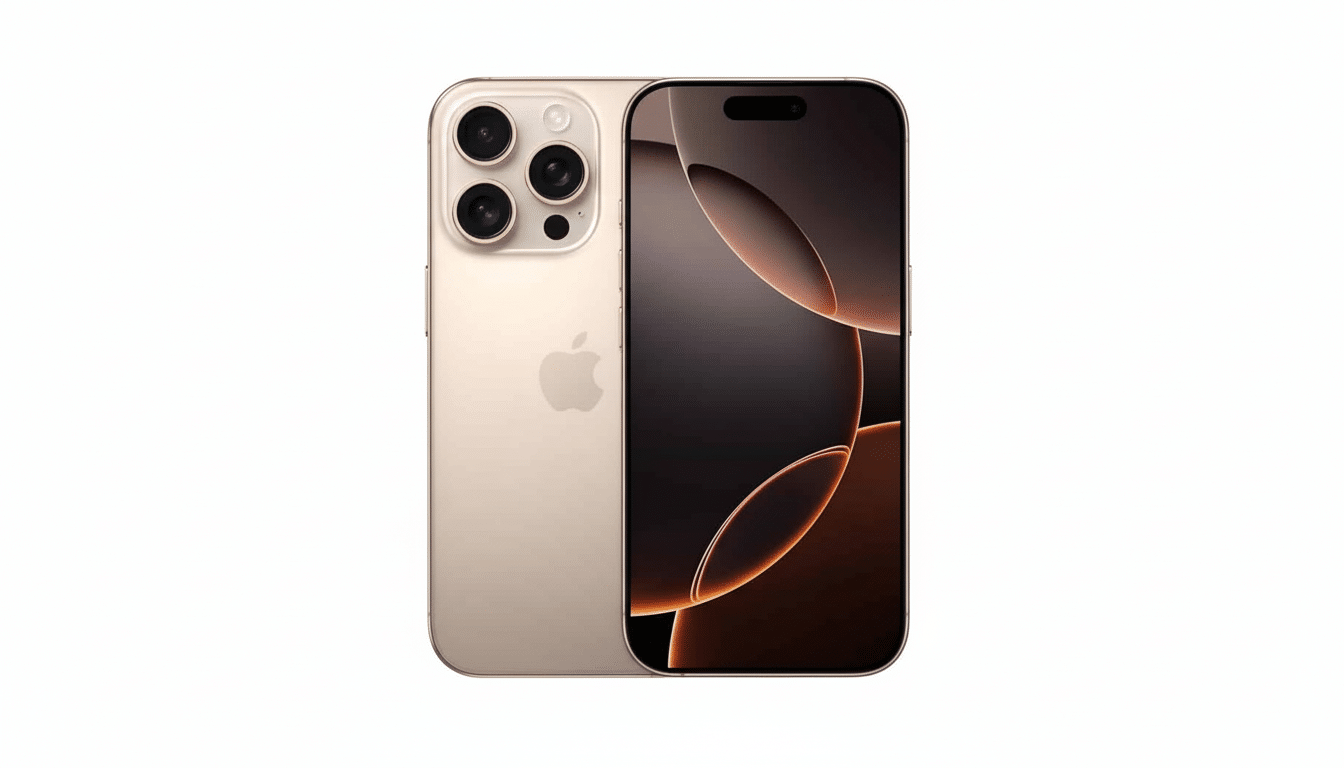
Renders that have appeared on the site of Jon Prosser’s Front Page Tech show a “camera bar” on the rear of the phone, with a single lens, microphone and flash. That’s also corresponding to alleged chassis parts in recent dummy units shared by AppleTrack, which also hint at a relocated USB-C port position – probably an engineering compromise for the sake of an impossibly skinny frame.
Display watchers anticipate a panel in the 6.55- to 6.6-inch range. Kuo hedges towards, at around 6.6 inches, and display analyst Ross Young, who AppleTrack scores at 92% in terms of accuracy, has specifically referenced 6.55 inches in previous breakdowns. Macworld also caught sight of an unusual 1260×2740 resolution for new wallpaper in iOS betas, not compatible with current models, which indicates fresh dimensions and thinner bezels. Dynamic Island will be staying.
One camera, zero compromise?
Both Kuo and Gurman agree that the back has just one single 48MP camera: no separate ultrawide, no optical telephoto alternative. On paper, that’s a step back. It could well find traction in the real world as a good bet for a thin-and-light phone. Apple’s computational photography already squeezes a lot out of a high-res main sensor, including in-sensor 2x crop mimic the optical quality. That’s because for the way most people shoot — family photos, food, pets, travel — the main lens does the heavy lifting.
Up top, analyst Jeff Pu anticipates a 24MP selfie camera across the range. AppleTrack scores Pu’s record much closer to 50%, but a higher-res front sensor would be in line with Apple’s recent focus on detail retention and low-light performance (particularly with pixel-binning).
Battery life on a crash diet
A thinner phone often means less battery. The counterpoint — and the one supply chain chatter keeps coming back to — is stacked cell tech and higher energy density, a way of doing things that multiple outlets like The Elec and TrendForce have covered in recent industry reports. Combine that with the move to a more efficient A-series chip built on a leading edge 3nm node and LTPO display tuning, and you have a plausible route to all-day endurance in a svelte form factor.
Thermals are the wildcard. With a razor-thin body, there’s little space to let heat dissipate while you’re shooting 4K video, gaming, or using on-device AI. Anticipate something along the lines of a new internal structure—a bit more graphite, maybe, or a better vapor chamber or some innovative heat spreader—to keep the performance level steady without throttling.
Specs, price and the case to buy
Gurman has suggested a price of around $900, which aligns with the model of iPhone 17 Air as replacement for the Plus tier, rather than a lower-cost alternative to the Pro. That would make it the “thin flagship” choice for those who want premium design and performance but aren’t looking for a Pro camera stack. Trade policy and the cost of components can nudge that number, but the approach is obvious: make thinness the luxury feature, not simply the stainless steel or third lens.
Under the hood, look for the next A-series silicon, probably on a revised 3nm process, and more memory ingrained than what base models from the past supported—two trends that have held for recent cycles and are expected by analysts. The color rumors out of leaker Majin Bu are light blue, silver, black, and light gold — playful shades but muted enough to move volume. As for the “Air” moniker, keep in mind: Gurman employs the term as a descriptor. Apple’s branding is just that — it isn’t real unless you are on stage.
Why I’m prepared to defect
If this hearsay holds, the iPhone 17 Air strikes that elusive sweet spot: a sizable 6.6‑inch-class display in a body that harks back to the comfort of earlier compact iPhones; a single, excellent rear camera that plays up gains in computational photography over ballooning hardware; and a price that’s premium without crossing into Pro Max terrain. It’s the first iPhone in years to prioritize the daily experience — in your hand, in your pocket, and in your hands — over spec-sheet one-upmanship.
Apple has proven reluctant to take physical risks—canning the headphone jack, moving to the eSIM, slot-swapping—unless the station is received by a cleaner, more simple device. If the iPhone 17 Air does indeed manage both ultra-thin design, credible battery life, and an even smarter camera story, I won’t just be amazed. First in line to tell my existing phone goodbye.
