


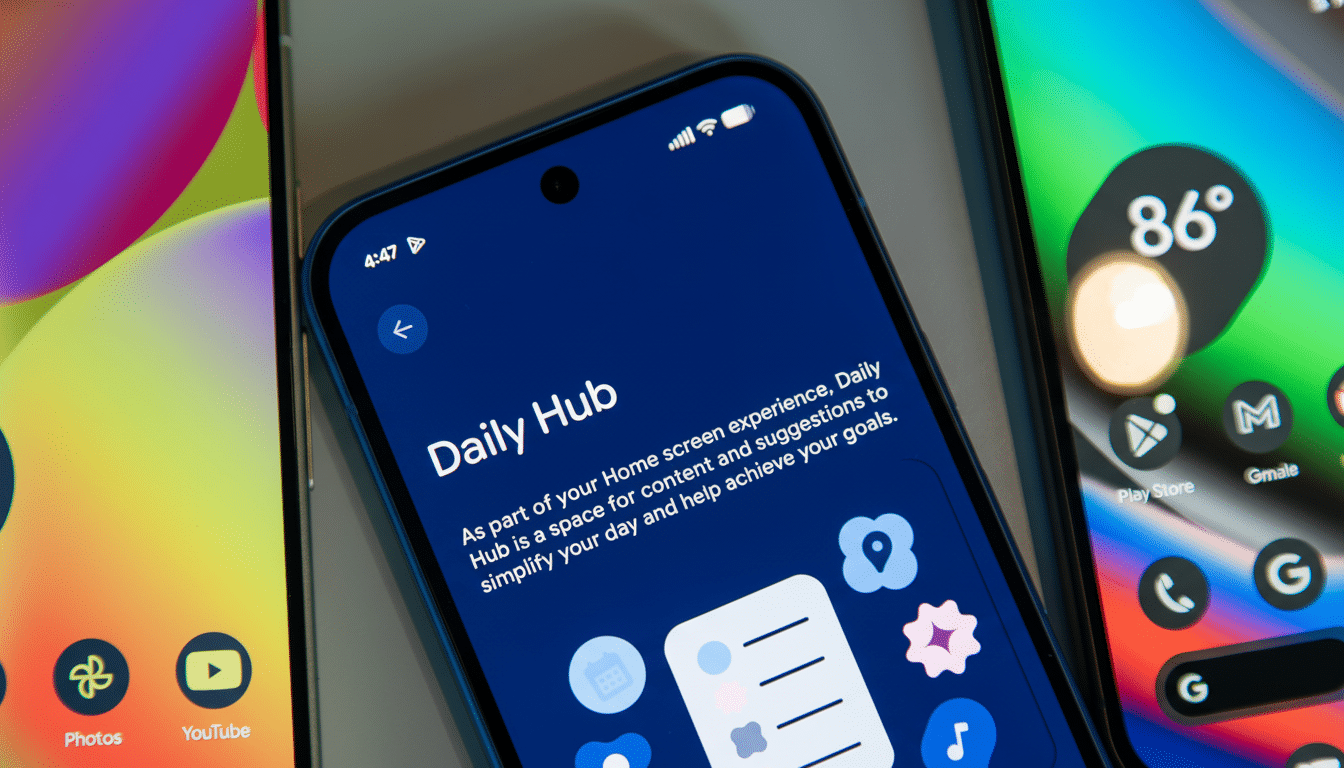
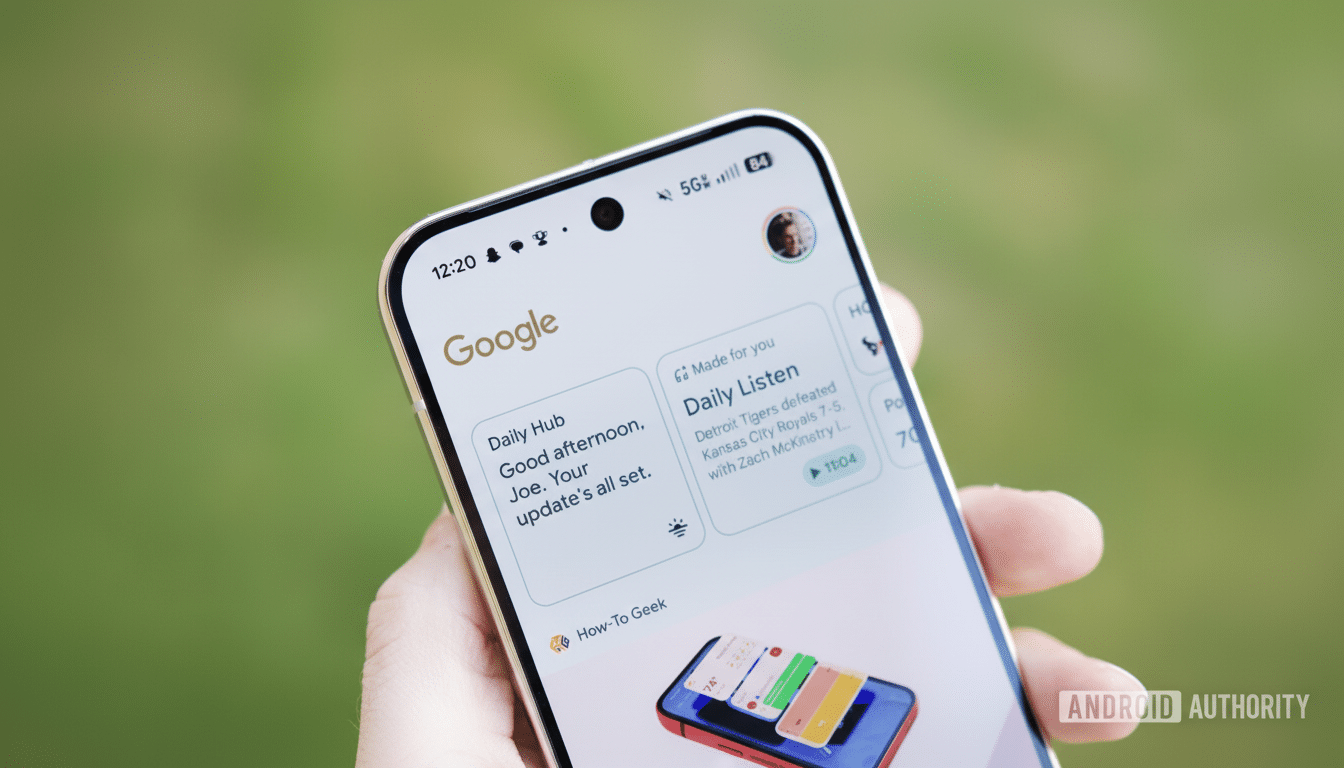
Daily Hub vowed to deliver a neat morning briefing on the latest Pixels, but its early innings felt sparse and unyielding. I desired the same “at a glance” kick-start to my day, minus the guardrails. So I built it back up with Gemini — drawing in weather, commute conditions, agenda, news, markets, sports and as much delight as aesthetically possible — designed specifically for me. It required some prompt shaping and workflow-damaging but the return is a faster, richer daily dashboard — with more personality.
Where Gemini excels over Daily Hub currently
Gemini runs on many more Android phones and uses the same Google machinery you’re already hooked into — Calendar for events, Maps for travel time, and Gmail to alert you to your flight or package delivery status — so it has the makings of a proper morning brief. The distinction is control: you can tell it what to include and in which order, how terse or conversational to be. If you take more interest in pre-market moves than viral videos, say that. When you fancy a shift to Premier League fixtures and first kick-off times above your average sports chat, it has this.
That customization matters. Only a small proportion of people use AI for news on a daily basis, according to the Reuters Institute’s 2024 report, in part because trust and relevance are barriers. A customizable briefing covers both: Gemini can surface sources upon request and focus you on the outlets you trust, not the fluff you don’t. The final product seems more like an assistant you trained, not a feed curated for you.
The prompt system that makes it click every time
You don’t need a spell of enchanted thinking, you just need a clear spec. I defined a list from which my “personalized [morning/afternoon/evening] digest” will be made, and sections in the exact order I want them to appear. Every section receives strict instructions (“two-sentence weather with highs/lows; only add umbrella advice if the probability of rain is greater than 40%,” “commute time from Home to Office including fastest route and major incidents,” “top three local stories with sources” and so on). I also limit length: “So the whole brief isn’t longer than 250 words unless I ask you for more information.”
Include preferences that guide tone and content. Mine are: “Give me top South African (and global) business headlines,” “Don’t show me YouTube or randos recommendations,” and “allow me to get all the exchange rates I care about (USD/ZAR, EUR/ZAR).” And for those times when you’re not sure exactly what your homunculus is after? You should just be honest, and say you don’t know. A little but big secret: ask Gemini to self-audit — “suggest improvements for my prompt at the end” — then iterate until the output looks right every time.
Get it installed on your phone in a few minutes
First, write your prompt in a pinned Gemini chat so it’s just one tap away. On Android, add the Gemini home screen shortcut and name it “Daily Brief.” If you seek a quick-and-easy light automation, then you could use some kind of routine tool to open Gemini and paste in your prompt at a certain time — whether Tasker or IFTTT, for example — or simply rely on a Calendar reminder that deep-links to the chat. The low-friction goal is integral: if you even have to think about it, how likely are you to actually use the trigger?
For more robust context, give Gemini access to your Workspace data in Settings so it can pull things like calendar events and travel times. If you’re concerned with privacy, limit access to only what is necessary for the brief; Google’s Activity controls also allow you to flip off what gets saved and when.
Where Gemini succeeds — and where it still falters
Pros: traffic updates are quick and to the point; local and world news items make sense; calendar items sync seamlessly, and once your prompt is dialed in, the format sticks with it. Requesting a brief rundown of sourcing for some news does work, which adds assurance — something many users say they want, according to Pew Research numbers on AI information quality worries.
Drawbacks: image-of-the-day style pulls can be a crapshoot; sports fixtures depend on location unless you specify the league and club; real-time finance data may have some delay if you don’t request “the latest available timestamp.” Also, if you have standing Saved Info exclusions that compel source or additional text, tell Gemini to exempt them for this one-pager — your eyes will be grateful!
A model you can borrow for your daily briefing
Format it like this: headline your brief with the time of day and your city; weather in two lines with specific advice; commute including route and incidents; agenda listing the next three events (along with time, location and number of attendees); headlines featuring one local story, a global item, plus another that interests you; markets showing key indexes as well as FX pairs important to you; one sports tidbit targeted to your team; a final “lighter side” nugget – word of the day or book recommendation. Top that with “ask me if I want more on any section.”
Two trustiness improvements: have Gemini add a “confidence note” if data may be stale, and to flag missing context (“no calendar access — agenda omitted”) rather than making something up. If you want strict fidelity on news or finance, tell Gemini to use wire services only as primary sources and add timestamps to quoted figures.
The bottom line on building a smarter daily brief
Daily Hub will grow up, but a tuned Gemini brief is already the better daily practice: it’s portable, specific, and contoured around your life. Spend ten minutes on a focused prompt, establish minimal account context, and encode a habit-friendly trigger. The reward: a morning dashboard that removes noise, brings attention to what matters, and makes sure you’re one step ahead before your first coffee.
