


Of course, I did the reckless thing that sensible Linux users everywhere warn you not to do: I used an alpha desktop environment as my daily driver. The surprise? System76’s Rust-built COSMIC hasn’t just held up • it’s uprooted my old favorite, and I ain’t turning back!
The switch wasn’t a whim. Pop! _O_S’s aging GNOME-based session had begun to feel like it was stuck in amber, while System76 poured its energy into the next-gen COSMIC. When little things started going wrong — the occasional greeter loop post screen lock, a slow app store, and random tidbits of shell hiccup — the call of the new became too strong.
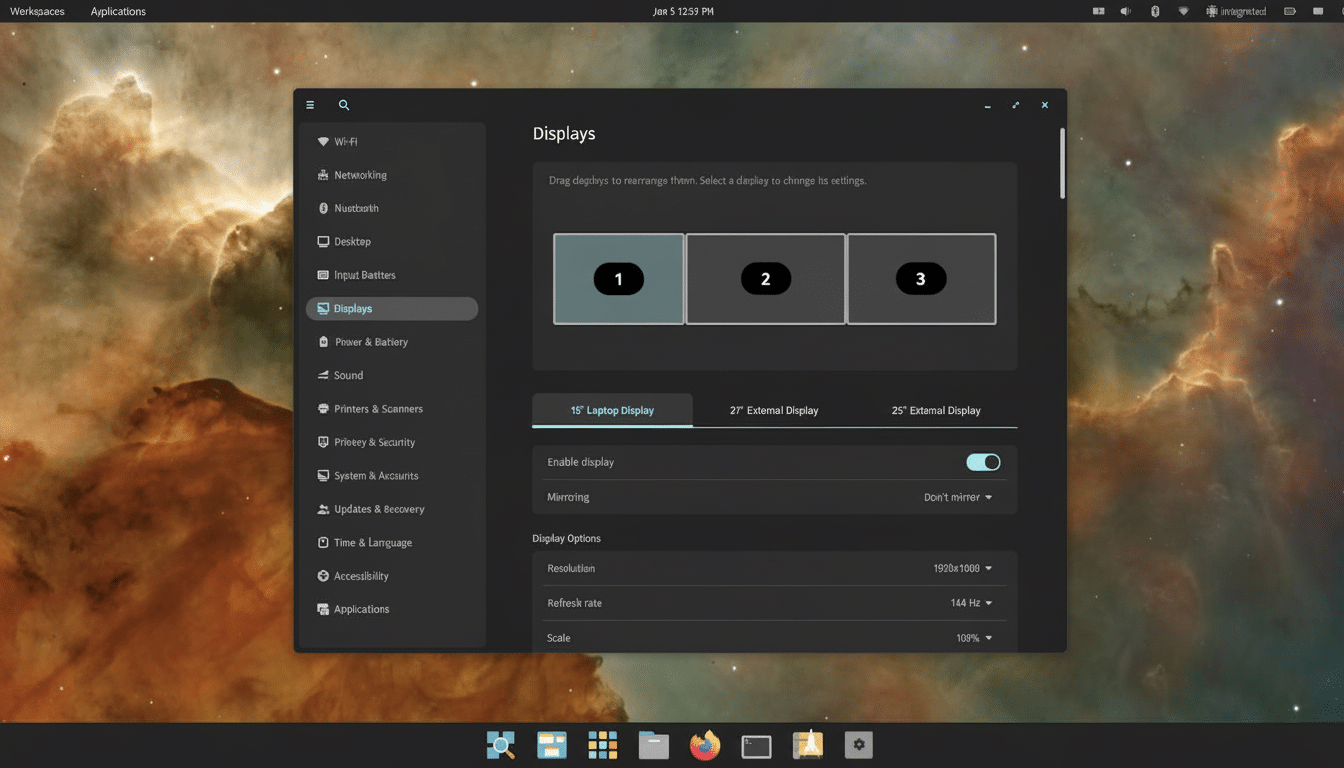
How I ended up moving to an alpha desktop
Pop! _OS 22.04’s lineage of GNOME 42 is solid, but it’s lagging behind the upstream. I’d say that the GNOME Foundation has made “meaningful” progress since 42, and you can definitely feel the delta in day-to-day slickness. In the meantime, COSMIC is the future of System76: a Wayland-first desktop, written in Rust, with a stack that has been built specifically to replace the old one.
I wanted the attention, the coherence, the new compositing model today. And yes, I craved the speed — because when you’re juggling across browsers, terminals and design apps all day, latency is not an academic concern; it’s fatigue.
Shaking up the daily grind
The first surprise occurred at the COSMIC Store. On my System76 Thelio, it springs open nearly instantly. Crude timing (which paraphernalia in the shell) told me that the latter (Pop! _Shop may take a few seconds, and sometimes hangs. Window animations are smooth without the “jank” that some compositors end up with under load.
The panel, launcher and search all feel snappy as in Xfce but with a much more modern, KDE Plasma-class feeling of scale.
Keyboard-driven workflows hum: Super to launch the launcher, type a couple of letters, Enter — native. Even fractional scaling on Wayland, for so long a footgun, has been boringly predictable during my time here.
This matters beyond personal taste. As desktop Linux usage inevitably climbs past the low single-digit share it enjoys in many regions, if StatCounter’s tracking can be believed, perceived responsiveness is a barrier to overcome. COSMIC occupies that space with assurance.
Rust in the pipeline, and it shows
The more stable core of COSMIC, its panel, settings, apps, and compositor, is developed in Rust, and that decision is not purely aesthetic. Rust’s ownership model eliminates an entire class of memory bugs without needing a garbage collector, decreasing runtime overhead. The Linux kernel project’s adopting Rust as a second language demonstrates why this matters: safety is cheap, and performance doesn’t prevent it.
And it jibes with developer sentiment as well. Rust was consistently the “most loved” language in the Stack Overflow Developer Survey, and that love leads to momentum in projects like COSMIC, where correctness and speed are first-order features.
Bugs I encountered — and how I addressed them
Alpha means paper cuts. The hardest roadblock I ran into was a nasty clash with the Opera browser. Tabs inflated in memory use until the entire session choked, fans spun up, input lag spread. A change of browser (zenbrowser, a firefox for … imho) could solve the issue straight away and system logs all revealed that, not the compositor, that wrote the poison.
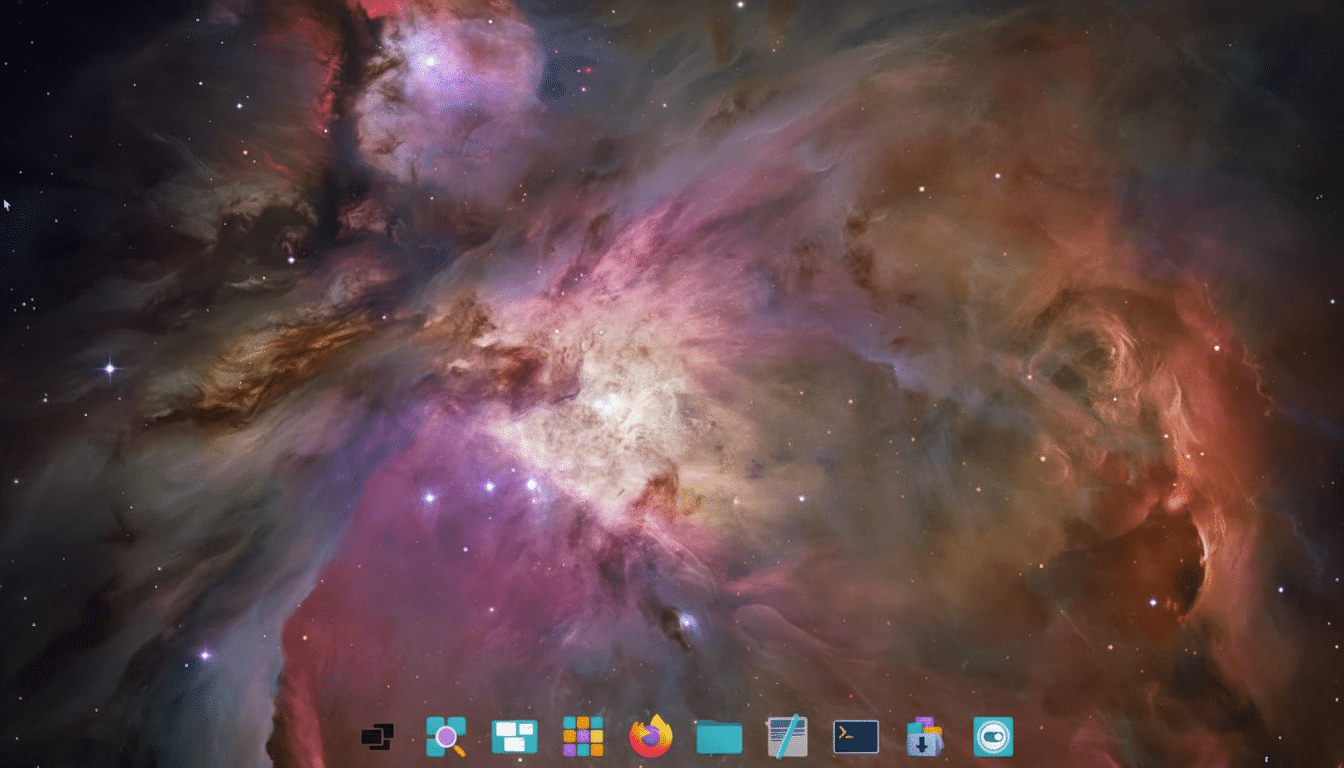
Beyond that, the glitches were garden-variety alpha: a panel restart once after I hot-plugged a second monitor, a theme toggle that didn’t apply to one app _until I relaunched it_, and an early notification setting that required nudging.
Nothing show-stopping, nothing that lost me work. If you can interpret journal logs and don’t mind navigating with the terminal when necessary, you’re going to be just fine.
The payoff for the effort to overlook all of those quirks is a desktop that feels calm under pressure. Now that Opera was gone there was no more CPU spiking, no more cursor stutter, and the disk-based profile of my machine minimized to a whisper.
Apps, workflow and small Wayland niceties
The COSMIC app suite is relatively lean, but makes a strong showing. The Files, Text, Terminal, Music, Settings and Store apps are fast and have much in common, especially in terms of design language and keyboard shortcuts. It’s a small thing, but an absence of friction that comes from consistency among UI patterns — fewer context switches, fewer micro-delays.
Tiling is there when you want it, and not in your face when you don’t. The layout options per‑workspace find a sweet spot between i3-style inflexibility and GNOME’s extension-based workflow. Multi-monitor has been rock-solid with reasonable defaults on placement/focus.
Wayland’s predictable touchpad gestures, per‑display scaling that doesn’t confuse, and accurate color on modern panels. For creative work, that last part is worth its weight in gold. I’ve also encountered no issues with screen capture or window sharing during video calls — a common point of pain that finally feels well addressed on these new Wayland desktops.
Should you switch now?
If your machine’s up time is mission critical and you can’t chance anything unexpected, wait for one of the milestone releases. System76 has been clear that COSMIC is a work in progress, and you’ll also get the best experience on the newer Ubuntu LTS base that the next Pop! _OS targets.
But if you’re not adverse to filing a bug, skimming a log, and/or swapping a browser when something behaves oddly, COSMIC’s alpha is already great.
For me, the improvements in speed, coherence, and day-to-day ergonomics outweighed the gamble. I replaced my favourite Linux desktop with COSMIC – and I have zero regrets.
