


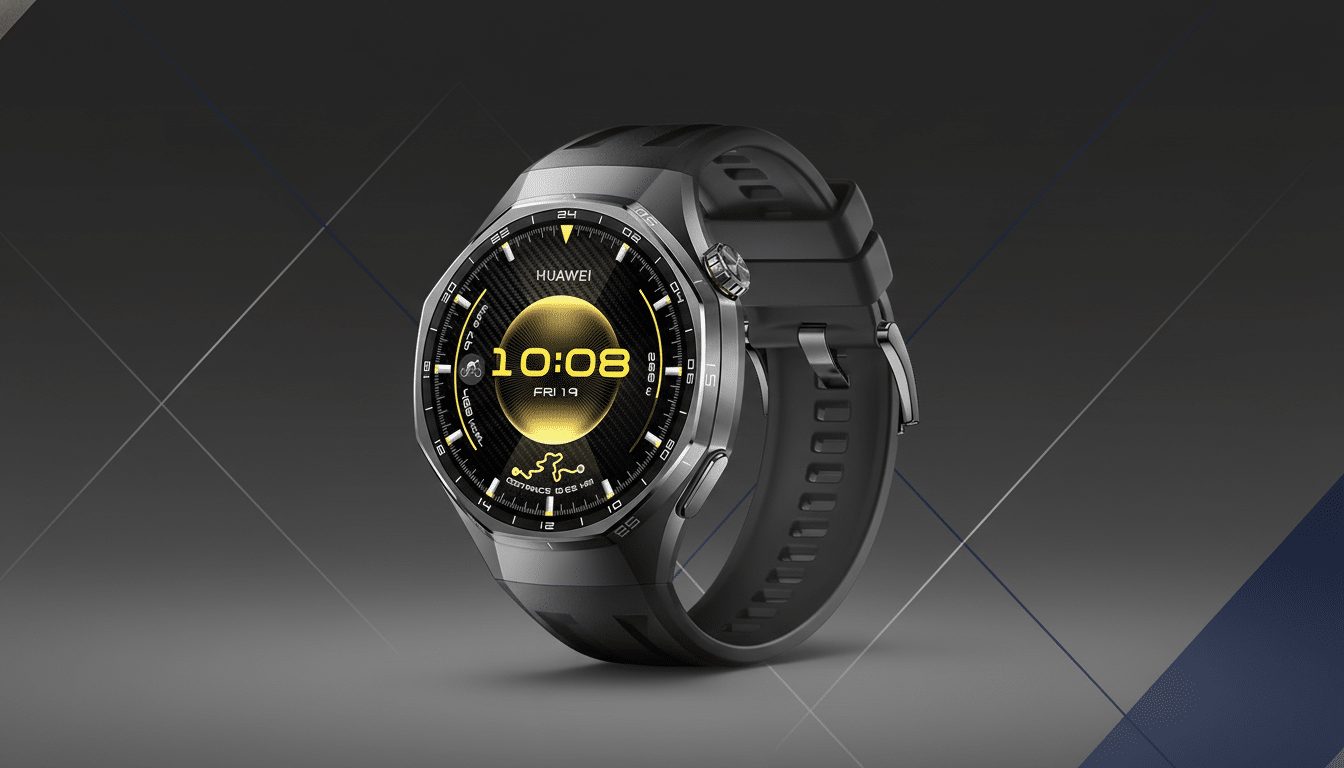
Huawei is rolling out a new diabetes risk assessment to its smartwatches, introducing a wrist-based screening tool that analyzes physiological signals over several days to estimate the likelihood of developing diabetes. The feature debuts via an over-the-air update on the Watch GT 6 Pro, with wider device support slated to follow.
How the Wrist-Based Diabetes Risk Assessment Works
This is not blood glucose monitoring and it will not display mmol/L or mg/dL values. Instead, the watch aggregates photoplethysmography (PPG) data—captured by its optical sensors—alongside additional onboard metrics over a 3 to 14 day window. Using patterns in cardiovascular dynamics (such as pulse waveform features), sleep and activity trends, and other wearable-derived markers, the system generates a risk indication.
The approach mirrors emerging research that links vascular tone, autonomic balance, and recovery patterns to metabolic health. While Huawei does not publish its full model, PPG-based pulse analysis and trend modeling are commonly used in academia to flag cardiometabolic risk factors. The result is a screening signal rather than a diagnosis, nudging users to consider lifestyle changes or consult a clinician for confirmatory tests like HbA1c, fasting glucose, or an oral glucose tolerance test.
Rollout Timing and Availability Across Huawei Watches
The capability is available first on the Watch GT 6 Pro through an OTA update and is accessible via the Diabetes Risk app on compatible devices. For best results, the assessment requires consistent wear, a properly fitted strap for stable optical readings, and uninterrupted daily tracking during the evaluation window.
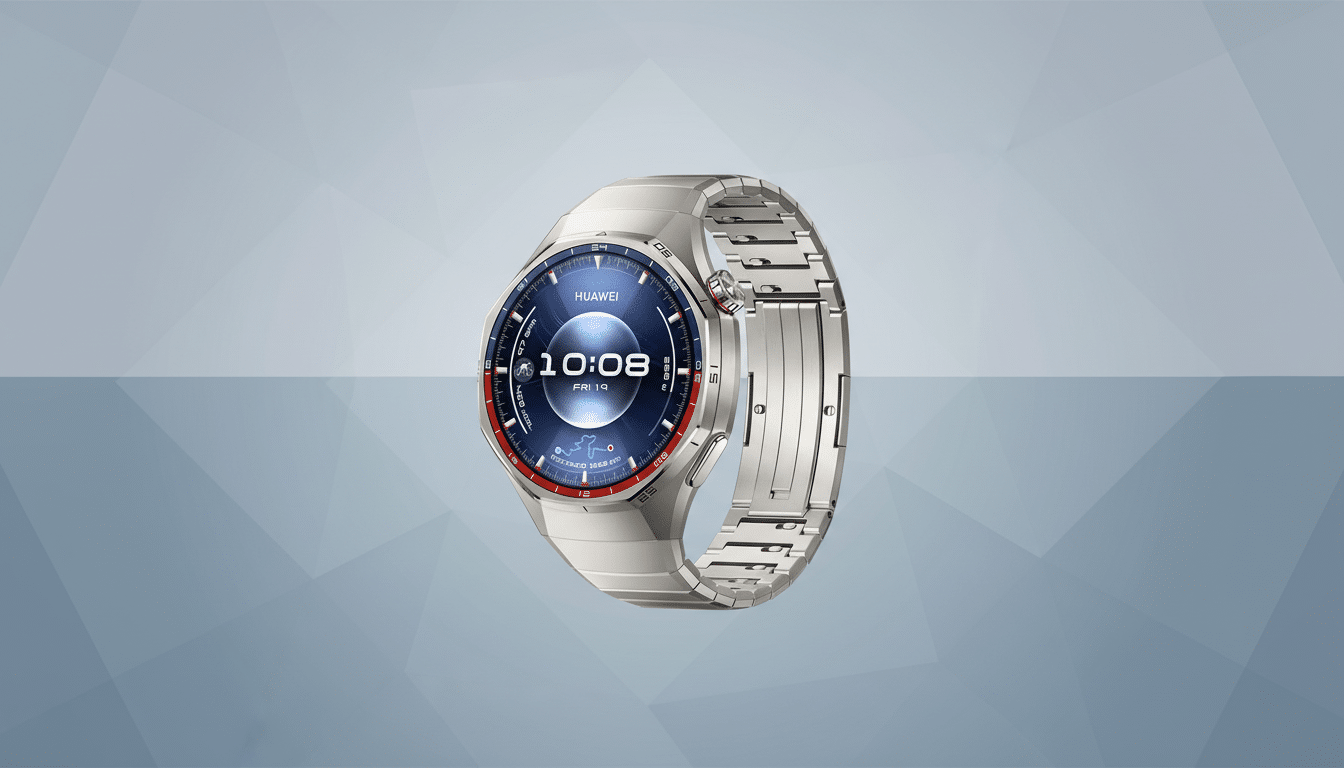
This feature builds on Huawei’s broader health push. The Watch D line offers on-wrist blood pressure measurements cleared in select markets, and prior models introduced noninvasive risk indicators for respiratory and cardiovascular wellness. Expect regional availability and regulatory language to vary, as health features on consumer wearables often roll out market by market.
Why Diabetes Risk Screening on Wearables Matters Now
The International Diabetes Federation estimates 537 million adults worldwide are living with diabetes, with roughly 45% undiagnosed. In the United States, the CDC reports about 98 million adults have prediabetes—around 38% of the adult population—yet most are unaware. Catching elevated risk early matters: the landmark Diabetes Prevention Program showed intensive lifestyle intervention can reduce progression to type 2 diabetes by 58%, while metformin achieved a 31% reduction in high-risk groups.
Smartwatches are not replacements for lab tests, but they are excellent at passive, continuous data collection. Turning everyday signals into timely prompts could help more people recognize when it’s time to seek screening, especially in communities where access to routine bloodwork is limited or where risk is easily overlooked.
Why Noninvasive Glucose Monitoring Remains Out of Reach
Tech and medical communities have chased needle-free glucose measurement for years, but reliable, noninvasive continuous glucose monitoring remains elusive due to biological, optical, and calibration challenges. Industry heavyweights have explored optics- and spectroscopy-based prototypes, yet no mainstream smartwatch today provides clinical-grade, cuffless glucose readings.
Huawei’s new tool takes a pragmatic middle path: rather than measuring glucose directly, it infers risk from patterns that correlate with metabolic stress. It’s a meaningful step for consumer health wearables, even if it stops short of the “holy grail” many users imagine.
Accuracy, Privacy Considerations, and Practical Next Steps
As with any screening model, false positives and false negatives are possible. Treat the watch’s output as an early signal, not a verdict. If your assessment flags elevated risk—or if you have symptoms or a family history—speak with a healthcare professional and pursue lab testing. Those already diagnosed with diabetes should not rely on this feature for disease management.
Users can improve data quality by wearing the device snugly, enabling all health sensors, maintaining consistent sleep and activity tracking, and keeping firmware updated. Given the sensitivity of metabolic data, review app permissions and data sharing settings; major platform providers typically detail storage and processing practices in their health privacy documentation.
Bottom line: bringing diabetes risk screening to the wrist will not eliminate lab work, but it could make timely screening more accessible. If adoption is broad and the models prove robust, smartwatches may become a first line of awareness—quietly flagging risk long before symptoms appear.
