


RadioShack, Dressbarn and Pier 1 Imports didn’t wither into obscurity. Their names were resurrected, slapped on a package and sold as the cornerstone of a modern retail comeback tale. That tale became the marketing vehicle for a $112 million scheme that moved money from investors through a thicket of companies while promising e-commerce would rescue these once-familiar chains, according to a federal complaint filed by the Securities and Exchange Commission.
How the Brands Were Pulled Into the Alleged Scheme
The playbook was simple enough: Buy distressed retail intellectual property on the cheap, turn them into online-only businesses and milk brand recognition to drive sales without the cost of stores. Retail Ecommerce Ventures, a firm run by Tai Lopez and Alex Mehr, said it had acquired businesses that read like something from a mall directory of another age: Dressbarn, Pier 1 Imports, RadioShack, Modell’s Sporting Goods and Linens ’n Things among them.
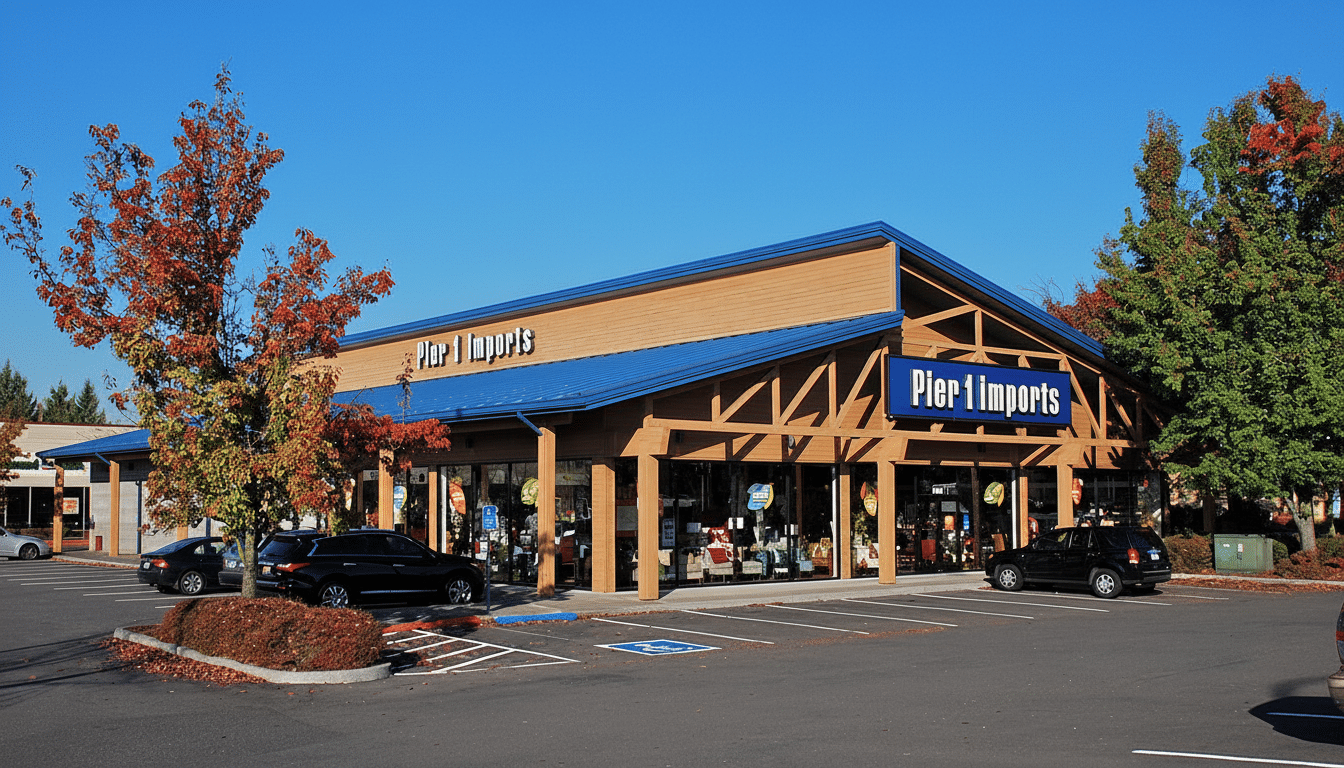
Investors were fed a familiar story: the brands still had loyal customers and e-commerce could unlock value that brick-and-mortar could not. The founders, the S.E.C. says, lauded “cash-flow strength” and an on-fire portfolio, telling backers that their money would be invested in individual brand entities. The pitch was a nostalgic fairy tale meets Silicon Valley-style turnaround, an irresistible combo for investors hunting yield in a mystifying retail landscape.
What the SEC Says Happened Inside the Alleged Scheme
Regulators paint a different picture. Revived brands by the former economy airline based in Dallas brought in a few sales, but none were profitable, and company leaders covered shortfalls by moving money around, the agency said. Money that was supposed to be dedicated to one brand supposedly went elsewhere, outside borrowing and merchant cash advances were used in part to pay obligations, and at times investor payouts came from new investor money — familiar hallmarks of a Ponzi-like structure.
The enterprise took in about $112 million from hundreds of investors, according to the complaint. At least $5.9 million of payouts to investors were in fact funded with money from other investors, the S.E.C. said it alleged. The agency also accuses Vungarala of improperly diverting at least $16 million in investor funds for personal use. Meanwhile, the SEC accused the company of inflating executives’ résumés — citing an alleged experienced operations chief who was actually a relative and former assistant to one of the founders — among other misleading behavior.
None of these allegations have been proven in court, but the filing outlines a pattern familiar to victims of alleged frauds: rosy performance claims unmoored to audited financial statements, mingled funds hidden behind a thicket of affiliates and investor updates that emphasized surging growth at the expense of burgeoning obligations.
Why Iconic Retail Names Were So Convincing to Investors
There is also a point to be made about brand equity that endures long after store leases expire. That haunted awareness can make up-and-at-’em-ism feel safer than it is. Consumer poll after consumer poll shows that familiar names reduce perceived risk and distressed intellectual property often trades for a fraction of its historical marketing spend. Put another way, nostalgia may be cheap to purchase but costly to sell.
The retail backdrop was struck louder still. Between tens of thousands of store closures in recent years, industry trackers like Coresight Research have tabulated, a steady pipeline has been created of orphaned brands with leftover goodwill. And the promise that a lean, digital-only model could remove those costs and rekindle demand struck investors (and potential sellers) as credible — particularly once it was dressed in a peppy, success-laden lifestyle-brand story told influencer-style.
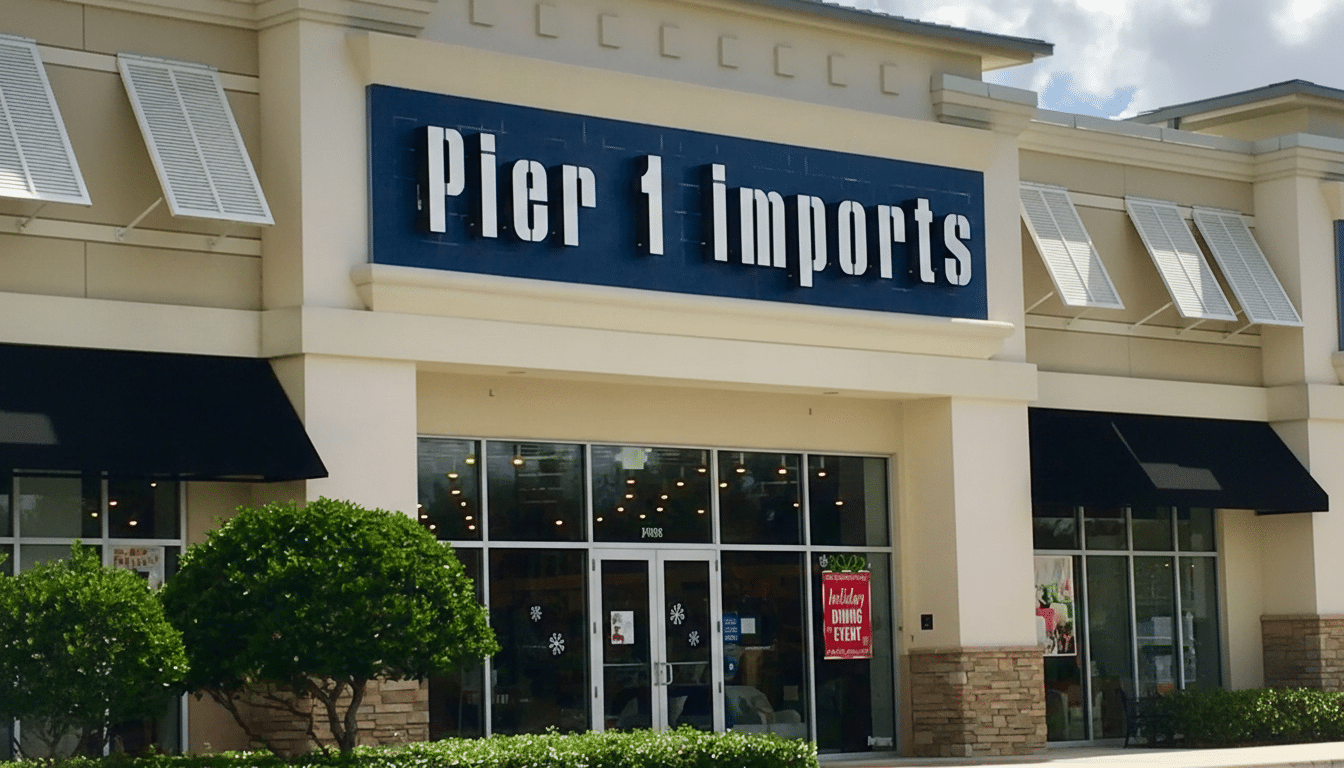
Rebooting an old-school retailer online is difficult in practice. Customer lists decay, merchandising talent leaves, supply chains must be reinvented and paid advertising costs stubbornly refuse to decline. Even splashy experiments — including the crypto-themed reimagining of RadioShack as a DeFi project — churned out headlines but fell short of sustainable profits. The SEC says those operational realities were never lived up to when it came to the investor sales pitch.
Red Flags Investors Overlooked Amid the Brand Revival
The SEC’s account highlights classic red flags.
- Use-of-proceeds promises that can’t be audited at the sub level.
- Returns paid back fast despite little cash flow to operate.
- Over-reliance on short-term borrowed funds to meet payment obligations.
- Void leadership claims unfortified by independent references or track records.
Basic protections could have made a difference:
- Demanding audited financial statements
- Bank covenants and policies surrounding intercompany transfers
- Independent board oversight
As for investment in portfolio roll-ups that are aggregating distressed assets, players must analyze the unit economics by brand — return customer rates, contribution margins after advertising and inventory turns etc. — rather than get seduced into aggregated growth bulletins.
What Comes Next in the SEC Case and Potential Recoveries
The SEC is looking for a remedy that might include disgorgement, penalties and officer-and-director bars. If a receiver is appointed, investors could find themselves watching forensic accountants follow the flows of money between entities to evaluate what can be recovered. Parallel civil suits are almost certain, and any bankruptcy or receivership proceedings would dictate how remaining assets — primarily brand IP and customer data — would be valued and distributed.
For now, the case is a cautionary tale of how big names can be put to work selling things other than products. RadioShack, Dressbarn and Pier 1 Imports provided proof to an e-commerce resurrection plotline. That credibility was used to raise money from federal regulators that mostly did not deliver on building sustainable businesses — and in some cases, was not even used as promised, the federal agency said.
