


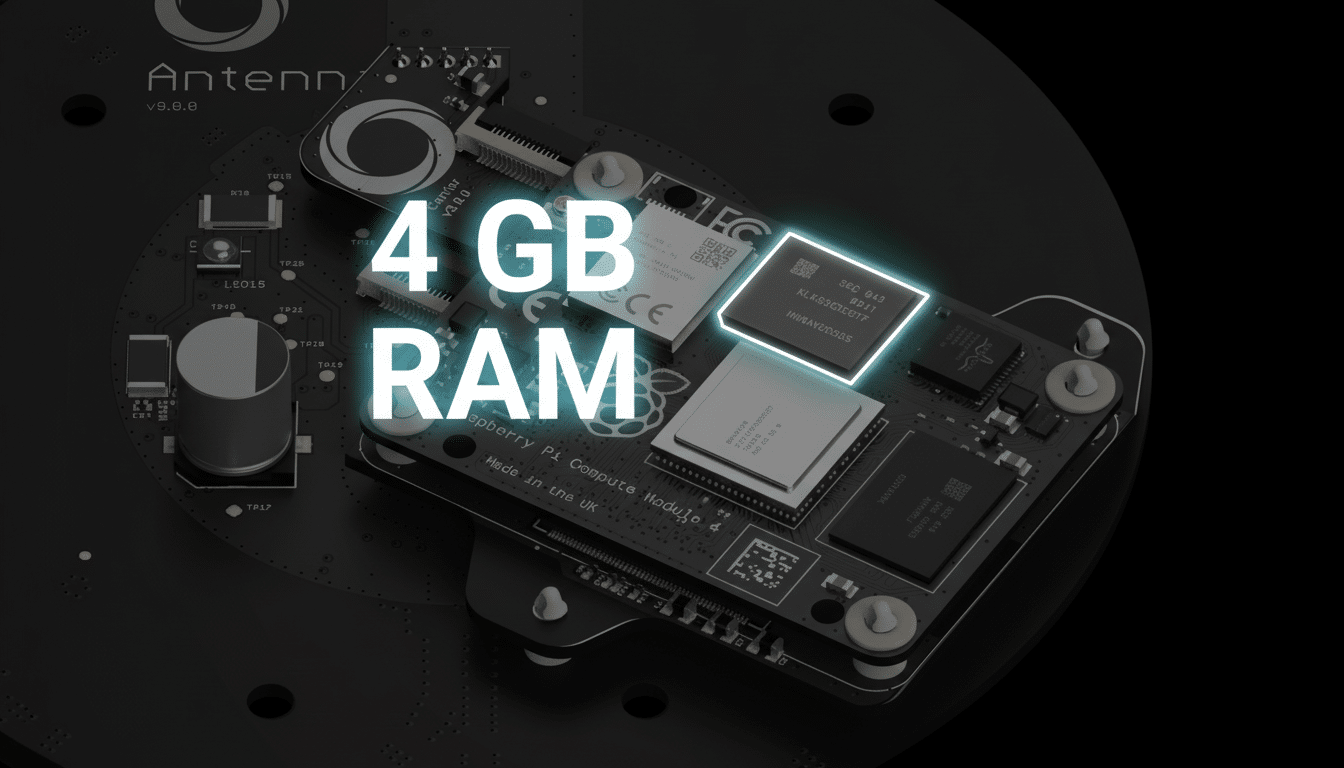
Homey’s top-of-the-line smart home hub has a simple but significant upgrade. The new Homey Pro (2026) packs 4GB of RAM while retaining the same $399 price, making room for more apps and complex automations without changing the core hardware design or radio stack. It’s a practical refresh squarely targeted at families whose needs have outstretched what the previous 2GB model could handle.
The Upgrade That Matters: More Memory, Less Friction
Homey maker Athom claims 100-plus Homey apps of varying complexity thanks to the step up to 4GB of RAM. That headroom is significant in real-world deployments: every device integration, energy dashboard, or custom Flow consumes memory. Doubling the RAM in your hub minimizes the risk of slowdowns or app restarts while your smart home expands, especially if you’re managing large multi-step routines across lighting, HVAC, security, and media devices.
The processor and radios are the same, but the spec bump targets the weakest link in day-to-day usability. In practice, that should mean more seamless support for nested Flows, faster recovery from app updates, and a bit more wiggle room to experiment with new integrations without having to cut the old ones.
What Stays the Same Across the Homey Pro 2026 Model
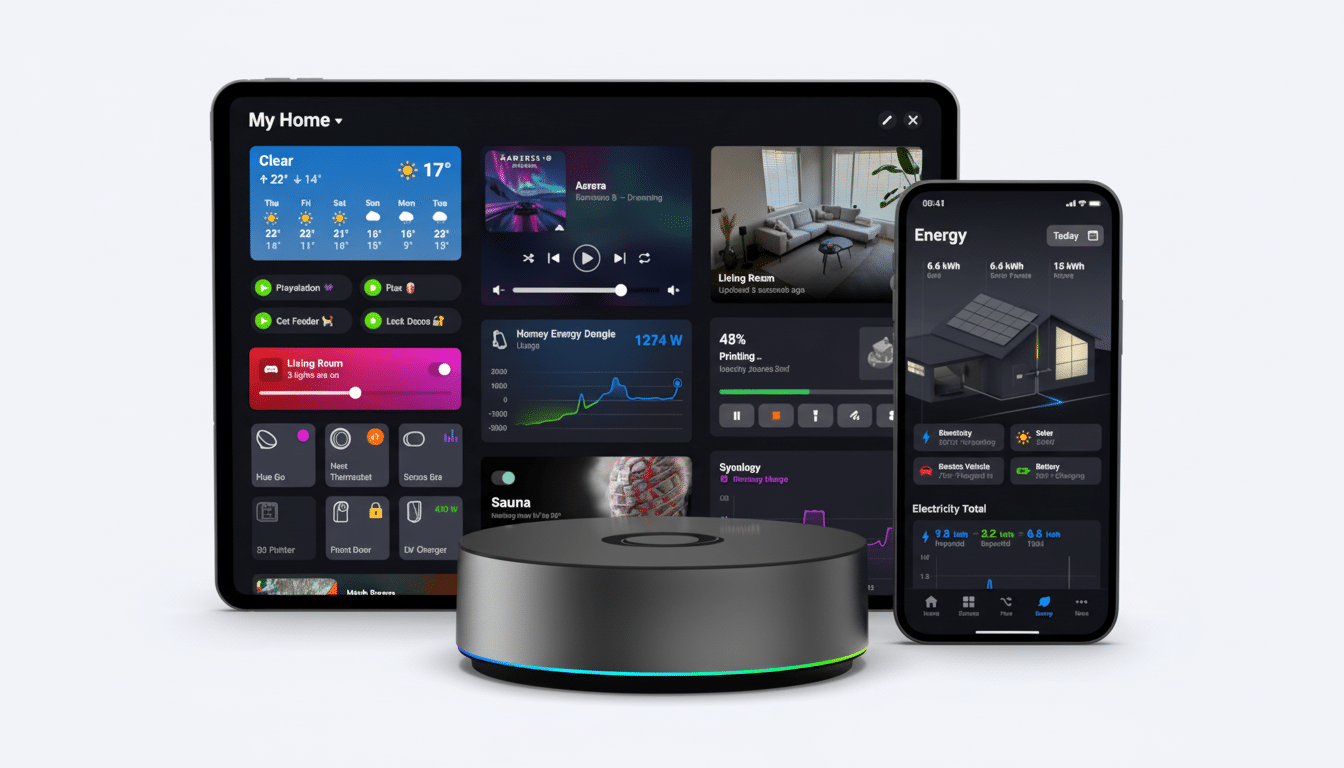
The familiar compact chassis and RGB light ring survive into the 2026 model, as does a wide radio toolkit: Matter, Thread, Zigbee, Z-Wave, infrared control of AV gear, Wi-Fi, and Bluetooth LE all make the cut. It is this multi-protocol approach that sets Homey Pro apart, merging legacy devices with the latest wireless standards in a single box.
All the marquee software features return. Users can make custom Flows, build dashboards to monitor energy use, and create local logic that stays up even when the internet is down. Convenience features such as remote access remain and are still a freebie, so the out-of-box experience is easy for non-tinkerers.
Cloud Cockpit: Another desirable feature that can be had by choosing QNAP is social apps that link to cloud services.
Why It Matters in Real Homes and Everyday Routines
As more connected gear is brought into households, hubs are stretched. U.S. households have more devices on average in 2020 than they did a year ago, according to recent consumer tech research from Deloitte (if you throw every type of phone, TV, speaker, and smart home gadget into the mix) — enough gear to tax a maxed-out hub. How many integrations and automations you can run without pruning is largely determined by how much memory, not CPU, is on your Home Assistant hardware.
Imagine a whole-home routine that dims lights in multiple scenes, arms sensors, changes the thermostat, closes blinds, and pauses media — each step normally involves a different app. At 4GB, Homey Pro can keep a larger number of those apps in memory at any given time, minimizing delay and sidestepping background restarts that could lead to missed triggers.
Momentum for Matter also lifts the ceiling on the kinds of devices a single hub could control. The Connectivity Standards Alliance adds that adoption continues to grow among major brands, which expands the universe of endpoints a multi-radio hub, like Homey, can aggregate. With more devices, increased complexity, and richer automations, memory headroom is a practical upgrade, not a vanity spec.
Price, Accessories, and Long-Term Software Support
Homey Pro (2026) remains at $399. There’s an Ethernet adapter if you value the reliability of a wired connection ($29), and for hub-linking or expanded coverage in larger homes, there is the Homey Bridge ($69). According to Athom, the 2023 and 2026 models will be supported with software until at least 2031, prolonging the official support window well into the next decade and a half for existing owners.
The unchanged price is notable. Instead of shuffling the device around, Athom has just thrown in more capacity for the same price — a no-brainer of a recommendation despite what amounts to a modest increase for new buyers and a tempting upgrade even for folks who did manage to hit app limits on the 2023 unit.
How It Stacks Up Against Other Smart Home Hubs
Unlike its mainstream counterparts like SmartThings Station, Homey Pro has a more powerful antenna and a server computer GNU Radio front end. For those who want more power-user options, like Hubitat or a DIY Home Assistant build (often run on a 4GB or 8GB single-board computer), Homey aims for a good mix of breadth of devices and polish with a simple app and a large app store. The bump to 4GB makes it a little easier for more demanding tasks yet still in that plug-and-play wheelhouse.
Bottom line and who should consider Homey Pro 2026
Homey Pro (2026) doesn’t reinvent the hub, nor should it. By doubling the RAM, keeping the price, and maintaining its multi-protocol DNA, it cuts to the chase — a capacity issue is what holds most next-level smart homes back. If you need a one-box controller that can handle expanding device lists and ambitious automations, this is the logical upgrade to make.
