


Home battery systems have moved from niche backup to mainstream money-saver as utilities lean harder on time-of-use rates and solar export credits tighten. If you’re weighing an installation, three factors usually make or break the case: outage risk, your electricity pricing, and how your utility values exported solar power.
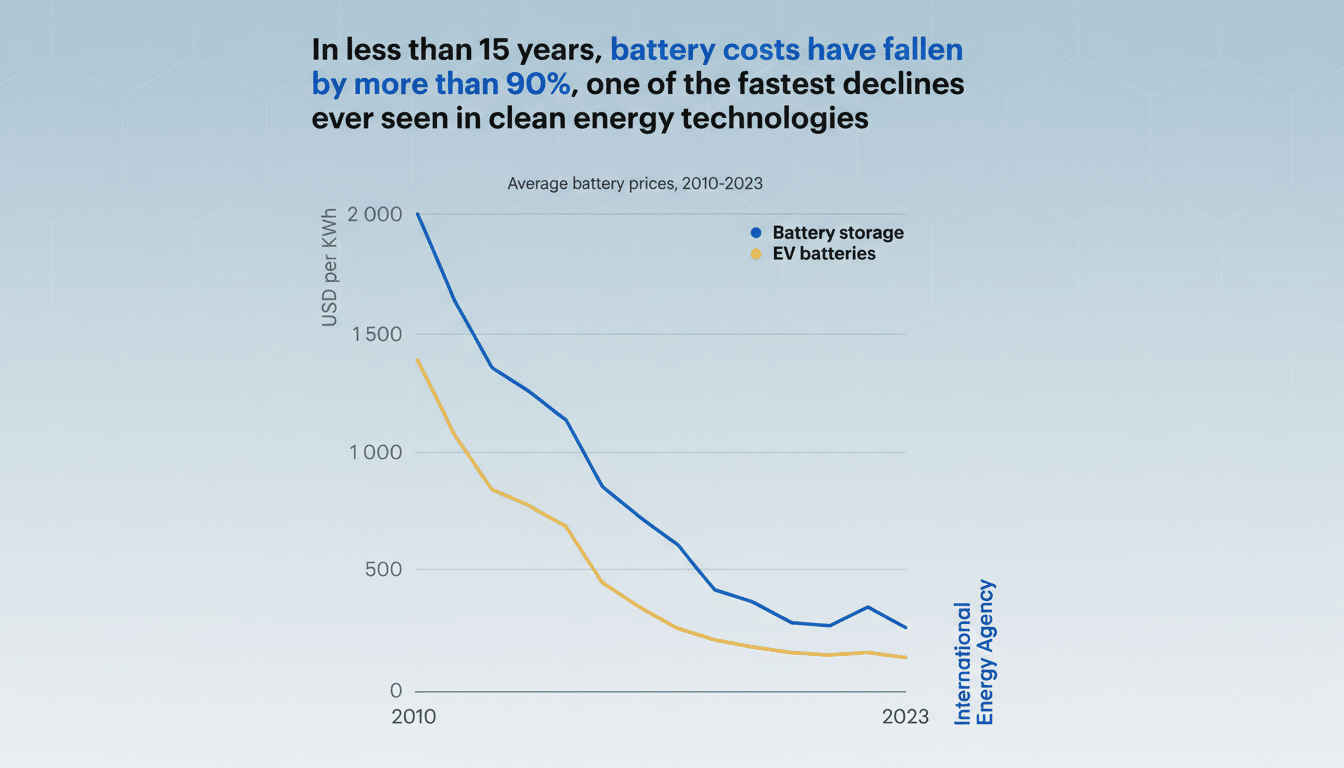
Modern systems typically cost $10,000 to $20,000 before incentives, deliver 10–20 kWh of storage, and switch over instantly in an outage. Whether that investment pays back depends less on hype and more on your zip code, rate plan, and daily habits.
Factor 1: Outage Risk And Resilience Needs
Start with reliability. The U.S. Energy Information Administration reports that the average customer experiences roughly 5–6 hours of power interruptions annually, but the average masks extremes from storms, heat waves, and wildfire shutoffs. If you face frequent or prolonged outages, a battery’s value jumps quickly.
A 10–15 kWh unit can keep essentials—refrigeration, lighting, internet, medical devices—running for a day or more with careful use. Pair two batteries and you can support larger loads or extend runtime. Unlike generators, batteries are silent, have no fuel logistics, and can recharge daily from solar when the grid is down.
Think in terms of critical loads. Whole-home backup is attractive but costly; a “critical loads” panel that prioritizes your must-haves can trim system size while delivering most of the benefit. Review your utility’s outage history, tree cover and weather exposure, and any work-from-home or health considerations that raise the cost of downtime.
Factor 2: Your Rate Plan And Peak Price Spread
Time-of-use (TOU) pricing is the engine of battery savings. In many markets, electricity from late afternoon into evening costs 2x or more than off-peak. In parts of California and Texas, for example, the 4 p.m.–9 p.m. window is routinely the most expensive. Batteries let you charge with cheap or solar energy and discharge during peak hours—classic energy arbitrage.
Run a quick back-of-the-envelope: if your off-peak rate is $0.20/kWh and peak is $0.38/kWh, a 10 kWh discharge during peak avoids $1.80 per day before losses. At 90% round-trip efficiency, that’s roughly $50–$60 per month, and more if your spread is steeper or you cycle twice on hot days. Smart inverters automate this, shifting seamlessly as prices or schedules change.
Layered incentives can sweeten the math. Some utilities pay for enrolling batteries in virtual power plant or demand-response programs, sharing revenue when your system helps the grid during spikes. Independent analyses from organizations such as RMI and utility program filings show homeowners can earn several hundred dollars per year in favorable programs—on top of bill savings.
Factor 3: Solar Export Credits And Self-Consumption
If you have (or plan to add) solar, check how your utility compensates midday exports. In places where export credits are close to retail, a battery is mostly about resilience and TOU optimization. Where credits have been reduced, self-consuming your solar can be far more lucrative.
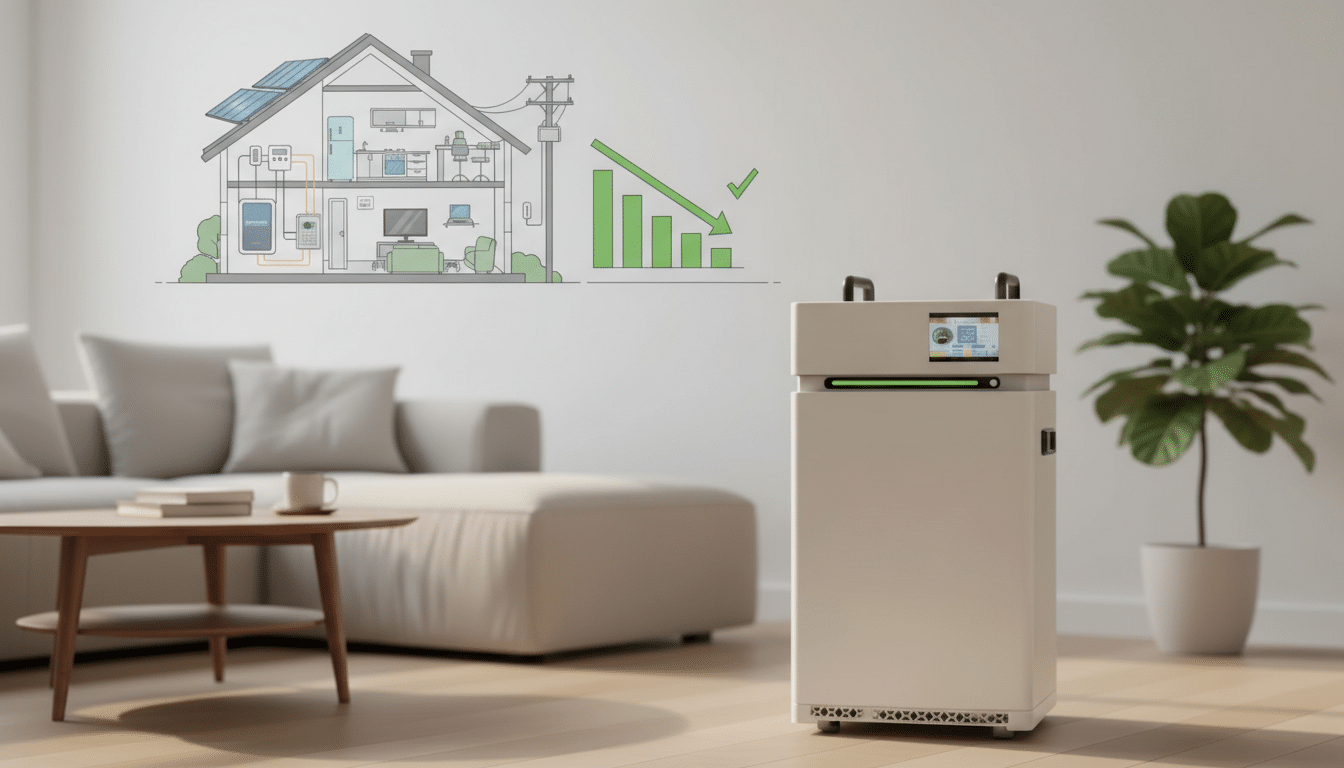
California’s current net billing framework (often called NEM 3.0) pays solar exports at avoided-cost values that are frequently a fraction of retail, especially at midday. A battery lets you store excess solar and use it at night when retail rates climb. Studies from the National Renewable Energy Laboratory and Lawrence Berkeley National Laboratory find that pairing storage with PV can more than double on-site solar consumption, shrinking grid purchases and exposure to price spikes.
Real-world results vary by system size and behavior, but installers and utility case studies routinely report households cutting grid usage by 50–80% with a well-sized battery and TOU rates. The effect is strongest when evening rates surge and midday export credits are weak.
How to Run the Numbers for a Home Battery Investment
Map your peak demand: Pull a few recent bills to see your kWh usage between late afternoon and night. That’s the core battery workload. Note your TOU rates (or seasonal peaks) and calculate the daily spread.
Right-size capacity: A 10–15 kWh battery fits many homes for peak shaving and essential backup. If you want whole-home coverage, add capacity or manage big loads (EV charging, electric resistance heat) with smart controls.
Account for efficiency and warranties: Most lithium batteries are 90–95% efficient round-trip and carry 10-year warranties with cycle limits. Expect gradual capacity fade and ensure the warranty matches your forecasted use.
Include incentives: The federal Residential Clean Energy Credit can offset a significant share of installed costs for eligible systems. States and utilities may offer rebates or performance payments through programs such as California’s SGIP, New York’s NYSERDA incentives, or demand-response offerings in New England.
Do a payback check: As a rough guide, a system that nets out near $10,000 after incentives and saves $600–$1,200 annually (bill reductions plus program revenue) lands in an 8–12 year range, with resilience benefits on top. In weaker TOU markets with generous export credits, the payback stretches; in strong TOU markets with reduced credits, it shortens.
Bottom Line: When Home Batteries Make Financial Sense
A home battery pencils out fastest when outages are costly, peak prices are high, and solar exports are undervalued. If two of the three apply to you, it’s time to price a system, gather quotes that include incentives, and model your specific rates. In the right conditions, a battery delivers not just backup, but control—over when you buy, when you sell, and how much you save.
